
TL;DR
Horticulture experts recommend specific pruning methods to improve tomato plant health and increase yields. Proper pruning can prevent disease and promote better growth.
Horticulture specialists advise gardeners to adopt specific pruning practices to enhance tomato plant health and boost harvest sizes. These techniques are supported by recent expert guidance and are crucial for optimal growth.

Get pool and patio gear delivered free with Prime
- Fast, free delivery on millions of items
- Prime Video, Amazon Music and more included
- Member-only deals all year
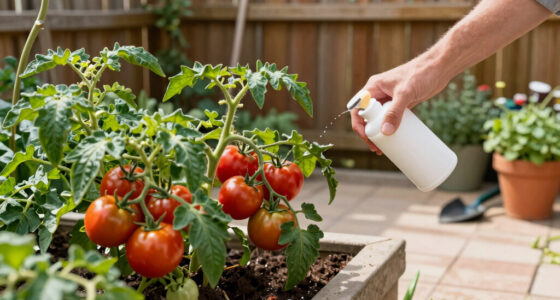
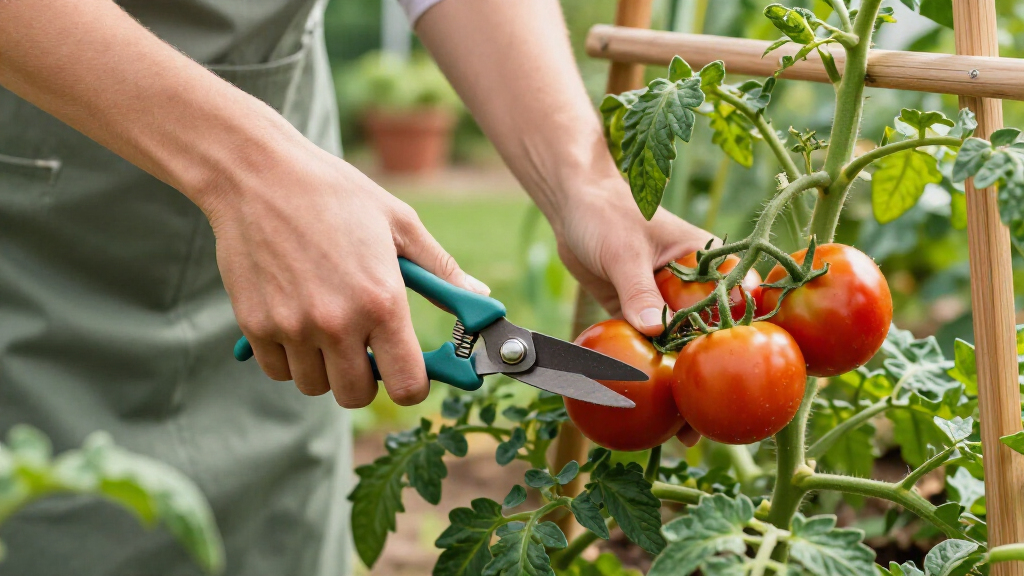
According to recent guidance from gardening experts, pruning tomato plants involves removing certain suckers and excess foliage to improve air circulation and reduce disease risk. Experts emphasize that proper pruning not only promotes healthier plants but also increases fruit production.
Key techniques include selectively removing suckers—small shoots that develop between the main stem and branches—and trimming lower leaves that may contact soil. These practices help prevent common issues such as blight and blossom end rot, which can diminish yields.
Experts from horticultural organizations recommend timing pruning during the early stages of growth and regularly maintaining the plants throughout the season. They stress that consistent, careful pruning can lead to bigger, healthier tomatoes and more manageable plants.
Why Proper Tomato Pruning Matters for Growers
Effective pruning directly influences tomato plant health, reducing the risk of disease and pests. It also maximizes fruit production by directing the plant’s energy toward developing larger and more numerous tomatoes. For home gardeners and commercial growers alike, adopting these techniques can lead to a more successful harvest and healthier plants overall.
Products Worth Considering

Bose Home Speaker 500 Smart Bluetooth Speaker, Black

LEVOIT Vital 200S-P Smart Air Purifier for Large Rooms

Philips Hue Bridge Pro Starter Kit with 4 A19 E26 Color Smart Bulbs
As an affiliate, we earn on qualifying purchases.
Background on Tomato Pruning and Growing Practices
Tomato cultivation has long involved pruning as a standard practice to improve plant health and yield. Traditionally, gardeners have removed suckers and excess foliage to enhance airflow and light penetration. Recent expert advice consolidates these practices with updated timing and methods based on ongoing research and field experience.
While some growers have used pruning informally, recent guidance emphasizes the importance of consistent, targeted pruning throughout the season. This approach is supported by studies linking pruning to increased fruit size and reduced disease incidence.
Uncertainties About Optimal Pruning Timing and Techniques
While experts agree on the benefits of pruning, specific timing and methods can vary depending on tomato variety and growing conditions. It is not yet clear whether certain pruning approaches are universally superior, and ongoing research continues to refine best practices.
Additionally, some gardeners question whether pruning might reduce overall yield if not performed correctly, highlighting the need for tailored advice based on individual circumstances.
Next Steps in Tomato Pruning Recommendations and Research
Researchers and horticulturists plan to conduct further studies to determine optimal pruning schedules for different tomato varieties and climates. Extension services and gardening organizations are expected to release updated guidelines based on new findings, helping growers fine-tune their practices.
In the meantime, gardeners are advised to follow current expert recommendations and monitor their plants closely for signs of stress or disease, adjusting pruning routines as needed.
Key Questions
What are the main benefits of pruning tomatoes?
Pruning improves air circulation, reduces disease risk, and directs the plant’s energy toward producing larger, healthier fruit, leading to increased yields.
When is the best time to prune tomato plants?
Experts suggest starting pruning early in the growth season and maintaining it regularly. The exact timing may vary based on plant stage and local conditions.
How do I identify which suckers to remove?
Suckers are small shoots that develop between the main stem and branches. Removing them helps focus growth on the main fruit-bearing stems.
Can pruning harm my tomato plants?
Incorrect or excessive pruning can stress plants or reduce yield. It is important to prune carefully and according to recommended practices.
Will pruning increase my tomato harvest?
Proper pruning can lead to larger, healthier tomatoes and potentially a bigger harvest, but results depend on correct technique and growing conditions.
Source: rss