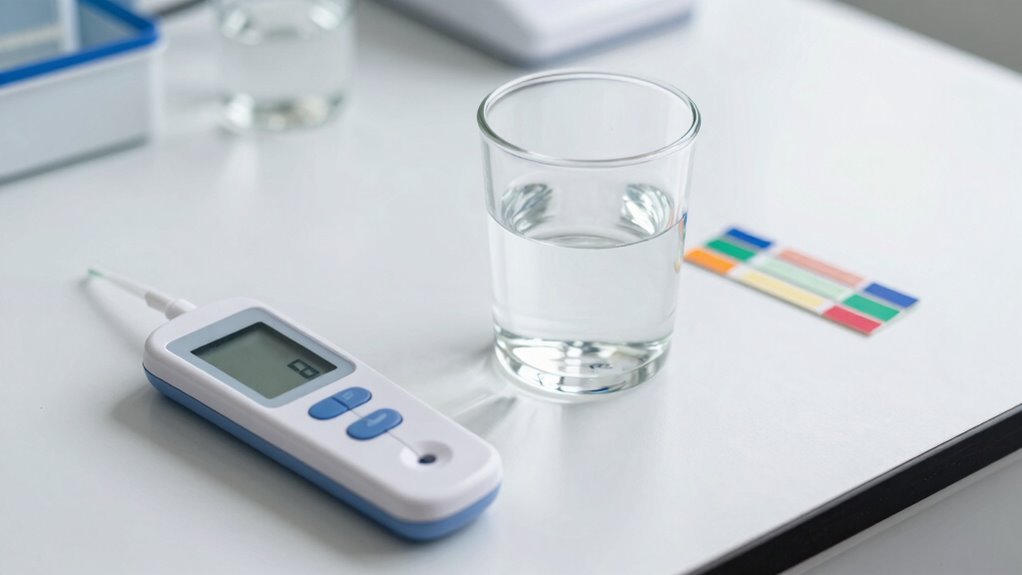
Prevent sensor drift in smart water monitors by understanding key signs and calibration tips—discover how to ensure accurate readings and when to recalibrate.
Browsing Category
Testing & Measurement
30 posts
Data Logging for Water Chemistry: How Pros Use Trends to Prevent Algae
By regularly monitoring water chemistry with data loggers, you can spot early…
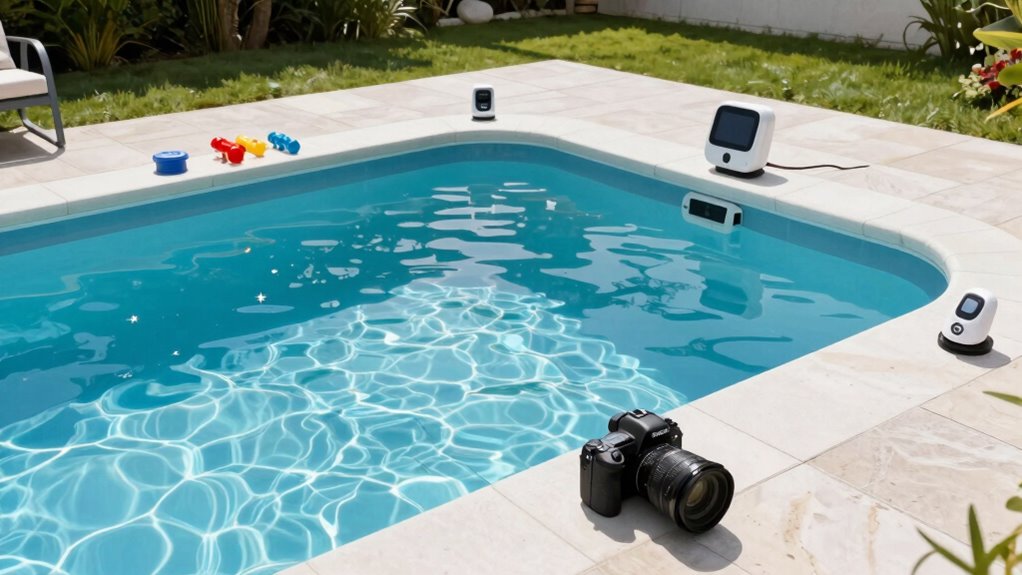
Smart Pool Systems: Where to Put Sensors So the Data Isn’t Garbage
Smart Pool Systems: Discover the best sensor placement to ensure accurate data and avoid common pitfalls—find out how to optimize your setup today.
Turbidity and Water Clarity: The Visibility Standard That Affects Safety
Beyond mere visibility, turbidity levels directly impact water safety, making it essential to understand how clarity influences health and environmental standards.
How to Calibrate a Digital pH Meter (So You Trust the Number)
Want to ensure accurate pH readings? Discover how to calibrate your digital pH meter properly and trust every measurement you take.
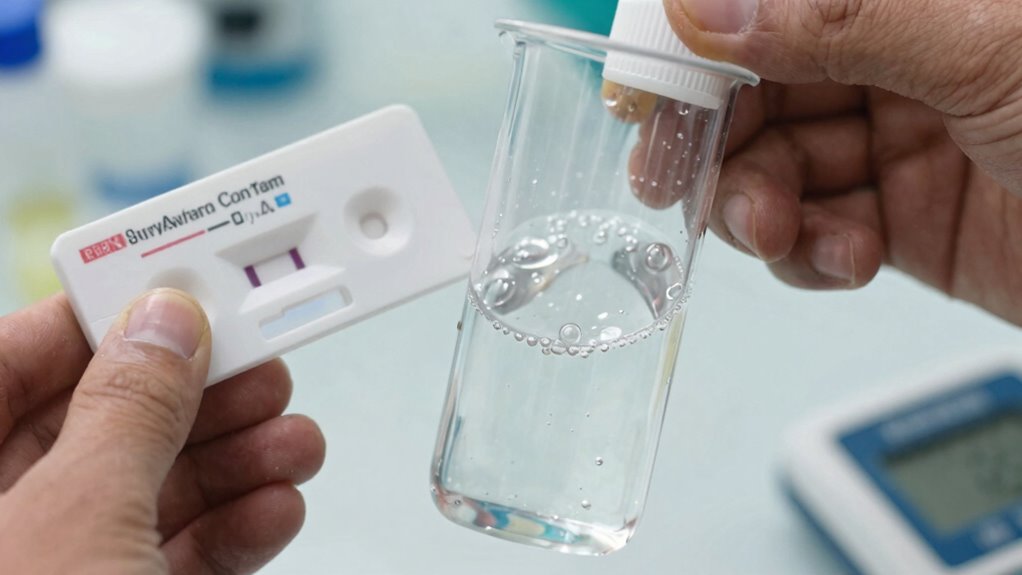
Photometers vs Test Strips: Accuracy, Interference, and When to Upgrade
In choosing between photometers and test strips for blood glucose testing, understanding accuracy, interference, and upgrade options can significantly impact reliable results.
Chemical Dosing Pumps: How to Calibrate Output So You Don’t Overfeed
Keen to prevent overfeeding? Discover essential calibration techniques to ensure your chemical dosing pump delivers the perfect amount every time.
ORP Isn’t Magic: How to Interpret ORP Readings Without Getting Misled
To interpret ORP accurately, understand that high values indicate strong oxidizers but…
Fine Debris Problems? How Filtration Microns Determine Water Clarity
Fine debris problems often cause cloudy water and blockages. Micron ratings determine…
Why Your Filter Pressure Lies: Understanding Gauge Location and System Dynamics
Understanding why your filter pressure readings can be misleading depends on gauge placement and system flow, and learning more can help you troubleshoot effectively.