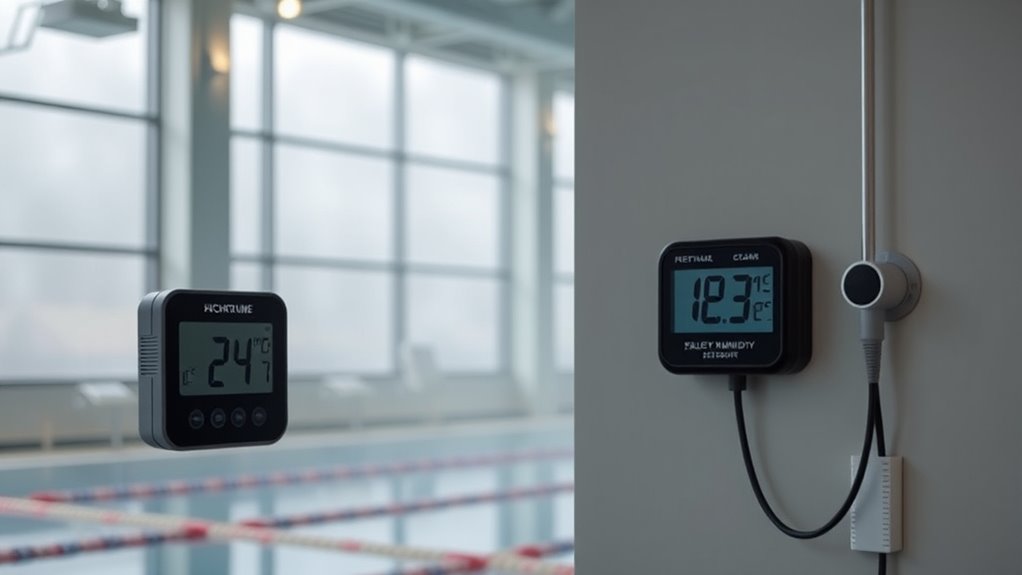

To maintain a safe and comfortable natatorium environment, you need to carefully control temperature, relative humidity (RH), and dew point. Keep the air temperature between 78°F and 82°F, and RH around 50-60% to prevent mold and equipment damage. Managing the dew point below 60°F helps avoid condensation issues on walls and windows. Mastering these factors guarantees durability and comfort — explore further to learn how precise adjustments make a difference.
Key Takeaways
- Maintain indoor air temperature between 78°F and 82°F for swimmer comfort and energy efficiency.
- Keep relative humidity within 50% to 60% to prevent mold, condensation, and equipment corrosion.
- Monitor dew point closely, aiming for 55°F to 60°F to avoid surface condensation and structural damage.
- Balance temperature and humidity to optimize air quality, reduce fogging, and prevent mold growth.
- Use psychrometric data to adjust ventilation and dehumidification systems for a safe, comfortable natatorium environment.

Understanding psychrometrics is essential for maintaining comfortable and safe conditions in a natatorium. When you manage the indoor environment, you’re balancing temperature, relative humidity (RH), and dew point to create an optimal space for swimmers and staff. These elements are interconnected, and even small adjustments can significantly impact comfort, air quality, and structural integrity. The goal is to keep the air warm enough to prevent condensation on surfaces and windows while avoiding excessive humidity that can cause mold, corrosion, or discomfort.
Temperature control is fundamental. You need to set the air temperature high enough to prevent cold drafts and chill, especially since wet swimmers can lower indoor air temperatures quickly. But it shouldn’t be so high that it causes discomfort or increases energy costs unnecessarily. Ideally, the air temperature should be maintained between 78°F and 82°F, providing a comfortable environment without overworking your heating system. This temperature range also helps keep the water temperature steady, typically around 80°F to 82°F, which is comfortable for most swimmers and reduces evaporation.
Relative humidity plays a critical role in comfort and safety. When RH is too high, the air feels damp, and surfaces are more prone to condensation, leading to potential mold growth and corrosion of equipment. If it’s too low, the air can feel dry, irritating skin and respiratory passages. The target RH in a natatorium usually falls between 50% and 60%. To achieve this, you may need to use dehumidifiers or ventilation systems that remove excess moisture efficiently. Proper humidity control prevents fogging on windows and mirrors, improves air quality, and reduces the risk of fungal growth, all vital for health and safety.
Dew point is the temperature at which moisture in the air begins to condense. Managing dew point is crucial because it indicates whether condensation will form on surfaces. You want the dew point to stay below the temperature of surfaces exposed to indoor air, such as windows and walls. When the dew point gets too close to the air temperature, condensation becomes inevitable, which can cause damage and promote mold. Therefore, monitoring dew point helps you fine-tune your heating and dehumidification systems. Keeping the dew point around 55°F to 60°F typically prevents condensation while maintaining a comfortable environment.
Additionally, understanding the relationship between temperature and humidity can help optimize your climate control strategies for better energy efficiency and occupant comfort.

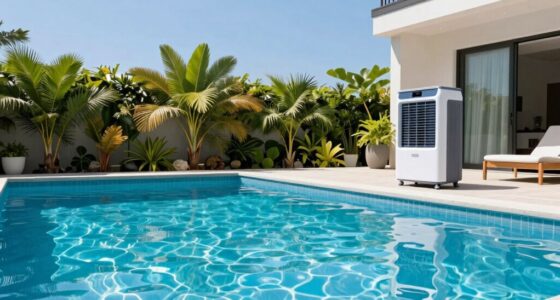
ToLife Dehumidifier, 1000 Sq Ft 95 oz Tank with Sleep Mode, Auto Shutoff
- Efficient Dehumidification Technology: Semi-conductor condensation for quiet, effective moisture removal
- Two Operating Modes: Powerful and sleep modes for versatile use
- Quiet Sleep Mode: Operates below 30 dB for peaceful sleep
As an affiliate, we earn on qualifying purchases.
As an affiliate, we earn on qualifying purchases.
Frequently Asked Questions
How Does Outdoor Weather Impact Natatorium Humidity Control?
Outdoor weather markedly impacts your natatorium’s humidity control. When it’s hot and humid outside, you’ll need to work harder to dehumidify the space, as moisture enters through ventilation and open windows or doors. Conversely, cooler or dry conditions reduce the load on your HVAC system. To maintain ideal humidity levels, you should adjust your dehumidifiers and ventilation systems accordingly, ensuring comfort and preventing mold growth.
What Are the Best Humidity Levels for Competitive Swimming Environments?
Did you know that maintaining humidity levels between 50-60% can considerably improve swimmer comfort and reduce mold growth? You should aim for this range in a competitive swimming environment. Keeping humidity in this window helps prevent foggy mirrors and excessive condensation. It also minimizes respiratory issues for athletes. Regularly monitor and adjust your dehumidification systems to stay within this ideal range, ensuring a healthier, more efficient pool environment.
How Can I Prevent Mold Growth in Indoor Pools?
To prevent mold growth in indoor pools, you should maintain proper humidity levels, ideally between 50-60%. Guarantee good ventilation and use dehumidifiers to control moisture. Regularly clean and dry surfaces, especially around the pool area, to eliminate mold spores. Fix leaks promptly and use mold-resistant materials. Consistent monitoring of humidity and temperature helps keep conditions unfavorable for mold, safeguarding your pool environment.
What Equipment Is Most Effective for Maintaining Stable Dew Points?
You should invest in a high-quality dehumidification system, such as a commercial-grade dehumidifier designed for humid environments. These units actively remove moisture from the air, helping you maintain a stable dew point. Additionally, use precise humidity controls and sensors to monitor conditions continuously. Proper ventilation and air circulation also support stability, preventing mold growth and ensuring a comfortable, safe natatorium environment.
How Often Should Humidity and Temperature Levels Be Monitored?
You should monitor humidity and temperature levels at least every 4 to 6 hours, especially during peak usage times or weather changes. Regular checks help you maintain ideal conditions, prevent mold growth, and ensure swimmer comfort. Use reliable digital sensors or manual hygrometers and thermometers for accuracy. Consistent monitoring allows you to make timely adjustments to your HVAC or dehumidification systems, keeping the natatorium safe and comfortable for everyone.

HT607 Temperature Humidity Meter – Large LCD Backlight with Cover Protector
- High-precision digital hygrometer: Accurate temperature and humidity readings
- Fast response and anti-interference: Reliable data collection across applications
- Multiple measurement modes: Ambient temp, humidity, wet bulb, dew point
As an affiliate, we earn on qualifying purchases.
As an affiliate, we earn on qualifying purchases.
Conclusion
By mastering psychrometrics, you guarantee your natatorium stays comfortable and safe, much like a well-tuned automaton in a Clockwork Orange. Keep an eye on temperature, humidity, and dew point to prevent mold and corrosion. Remember, even the most advanced tech is useless without proper climate control. So, embrace these principles, and you’ll be the maestro of your aquatic domain, ensuring a pristine environment that’s as inviting as a Victorian parlor.

MGV PRODUCTS Psychrometric Chart in IP Units, 32 F to 125 F, 11" x 17", Laminated, Crystal Clear, Distinct Colored Lines For Easy Reading (Glossy Lamination)
- Temperature Range: 32°F to 125°F
- Size: 11 x 17 inches
- Lamination: Glossy, laminated for durability
As an affiliate, we earn on qualifying purchases.
As an affiliate, we earn on qualifying purchases.
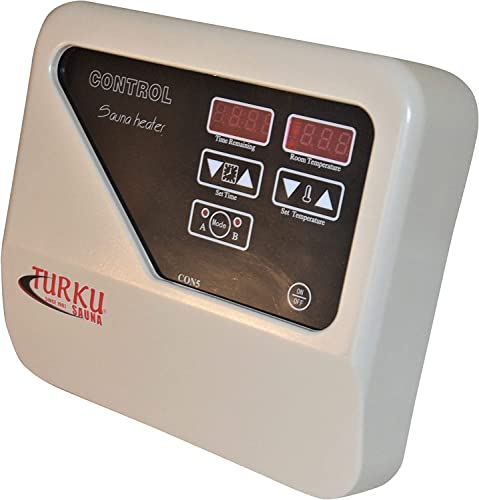
TURKU Replacement Sauna Stove CON5 External Digital Controller
- Complete Replacement Set: Includes digital controller and thermostat sensor
- Operating Time: 60-minute operation for safety and convenience
- Temperature Range: 104°F to 194°F for optimal sauna control
As an affiliate, we earn on qualifying purchases.
As an affiliate, we earn on qualifying purchases.