
As a pool owner, you need to follow environmental regulations that focus on conserving water, reducing chemical use, and managing water quality responsibly. This includes installing efficient equipment, using eco-friendly testing kits, and properly disposing of chemicals to protect local ecosystems. Regulations also require compliance with safety standards and maintenance practices that prevent pollution. Staying aware of these rules helps keep your pool eco-friendly and avoids penalties—if you want to learn more, there’s important information you shouldn’t miss.

Get pool and patio gear delivered free with Prime
- Fast, free delivery on millions of items
- Prime Video, Amazon Music and more included
- Member-only deals all year
Key Takeaways
- Water conservation laws require pool covers and efficient recirculation systems to minimize evaporation and unnecessary refilling.
- Chemical restrictions promote the use of eco-friendly sanitizers like saltwater or UV systems, limiting harmful chemical use.
- Regular water testing with environmentally safe kits ensures chemical levels stay within safe, eco-friendly limits.
- Proper disposal of chemicals and wastewater is mandated to prevent environmental contamination and protect ecosystems.
- Compliance with safety standards and local regulations encourages responsible resource management and environmental protection.
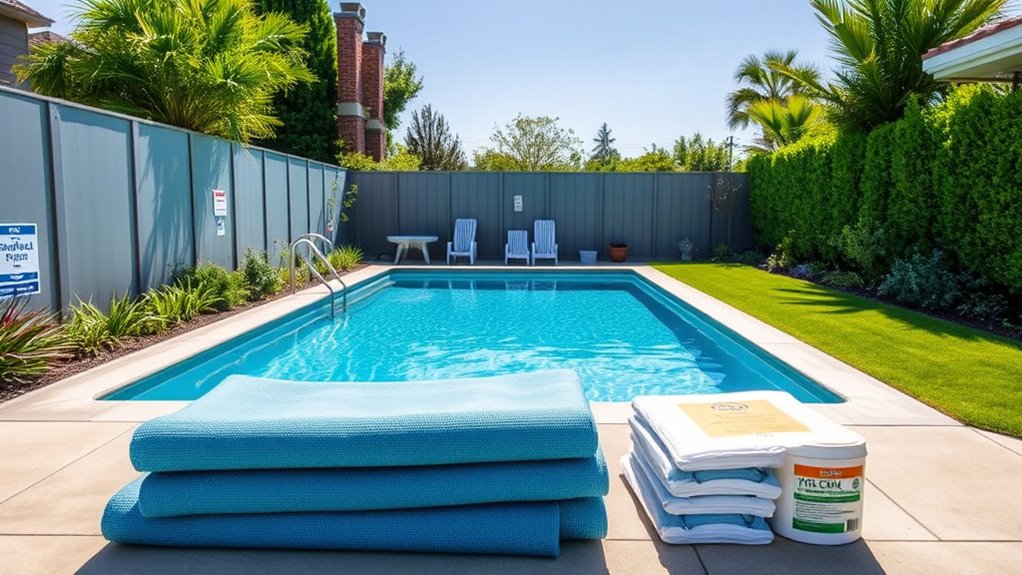
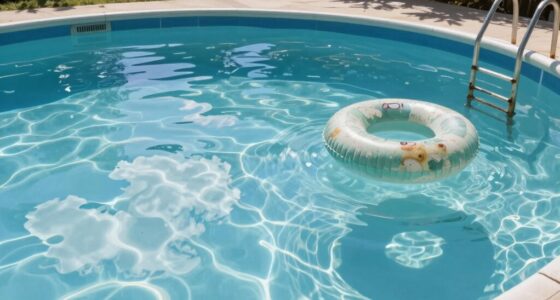
As environmental regulations become more stringent, pool owners must stay informed about new rules that can impact maintenance and operation. These regulations often focus on water conservation and chemical restrictions, both of which directly affect how you manage your pool. Water conservation efforts aim to reduce water waste, encouraging you to adopt practices that minimize unnecessary refilling or excessive evaporation. For example, you might be required to cover your pool when not in use to prevent water loss from evaporation or consider installing equipment that recirculates water more efficiently. These measures help conserve a crucial resource while complying with legal standards.
Water conservation regulations encourage pool covers and efficient recirculation to reduce water waste and promote sustainability.
Chemical restrictions are another significant aspect of environmental regulations. Authorities are increasingly limiting the use of certain chemicals, such as chlorinated compounds and algaecides, due to their potential environmental impact. As a pool owner, you’ll need to adapt your maintenance routines to stay within these guidelines. That could mean switching to alternative sanitizers like saltwater systems or UV sterilizers, which produce fewer harmful byproducts. You might also have to reduce the amount of chemicals used or switch to products with lower environmental footprints. These restrictions aim to protect local ecosystems from chemical runoff and reduce the overall chemical burden on the environment.
Staying compliant isn’t just about avoiding fines; it’s also about being a responsible steward of resources. Many regions now require pool owners to implement water-saving measures, such as installing rain sensors or using drip irrigation systems for surrounding landscaping. Moreover, new regulations often mandate regular testing of water quality with eco-friendly testing kits, ensuring that chemical levels stay within safe limits without excess use. These measures not only help you meet legal requirements but also promote healthier swimming environments and reduce your ecological footprint.
You’ll also need to keep up with local regulations related to the disposal of pool chemicals and wastewater. Improper disposal can lead to environmental contamination, so many jurisdictions now specify proper disposal methods or prohibit certain chemicals altogether. Educating yourself about these rules ensures you avoid penalties and contribute to environmental preservation. Additionally, some areas may require pool owners to report chemical usage or water consumption, so maintaining detailed records becomes essential. Implementing environmentally vetted safety standards can further help you align your pool maintenance with current regulations.
eco-friendly pool water testing kits
As an affiliate, we earn on qualifying purchases.
As an affiliate, we earn on qualifying purchases.
Frequently Asked Questions
Are There Specific Chemical Disposal Rules for Pool Chemicals?
Yes, there are specific chemical disposal rules for pool chemicals. When you’re done with pool cleaning, always follow local regulations for chemical disposal to avoid environmental harm. Never pour chemicals down the drain or onto the ground. Instead, store unused chemicals safely or take them to designated disposal facilities. Proper chemical disposal helps protect water quality and complies with environmental standards, ensuring safe and responsible pool maintenance.
How Often Do Regulations Regarding Pool Water Discharge Change?
Regulations regarding pool water discharge can change periodically, influenced by new environmental policies and regulatory updates. You should stay informed about discharge frequency rules, which may vary by location or season. Typically, authorities release updates annually or biannually, so it’s essential to check with local agencies or their websites regularly. Staying current helps you comply with legal standards and avoid potential fines or environmental harm.
Do Local Ordinances Restrict Pool Size or Installation Locations?
Yes, local ordinances often restrict pool size and installation locations to ensure safety and proper drainage. You’ll need to take into account drainage restrictions, which prevent water runoff from impacting neighboring properties or public areas. Additionally, pool fencing requirements help secure the area, especially near drainage zones. Check your city or county codes before installing your pool, as these regulations vary widely and may influence your pool’s size, fencing, and placement.
Are There Restrictions on Using Certain Pool Cleaning Products?
Yes, there are restrictions on using certain pool cleaning products. You should always check the pool chemical labeling to guarantee you’re using safe, compliant products. Many regulations emphasize eco-friendly products to reduce environmental impact, so opt for those when possible. Avoid harsh chemicals that could harm local ecosystems or violate regulations. By choosing eco-friendly options, you help protect the environment while keeping your pool safe and clean.
What Permits Are Needed for Installing or Modifying a Pool?
Getting your pool installed or modified is like steering through a maze, but you’ll want to start with the right permits. You need a licensed pool contractor to guarantee compliance with local codes, and check zoning restrictions that may impact your project. Typically, you’ll require a building permit from your city or county. Always contact your local planning department to confirm specific requirements, avoiding surprises down the line.
As an affiliate, we earn on qualifying purchases.
Conclusion
While these regulations might seem burdensome, they’re designed to protect our environment and future. You’re not just following rules—you’re helping preserve water quality, reduce pollution, and safeguard your community’s health. It’s easy to feel overwhelmed, but your efforts make a real difference. By staying compliant, you contribute to a cleaner, safer world for everyone. So, embrace these changes—they’re an opportunity to do your part and create a better environment for generations to come.
energy-efficient pool recirculation systems
As an affiliate, we earn on qualifying purchases.
As an affiliate, we earn on qualifying purchases.
pool covers for water conservation
As an affiliate, we earn on qualifying purchases.
As an affiliate, we earn on qualifying purchases.
Fall Picks
fall essentials
As an affiliate, we earn on qualifying purchases.