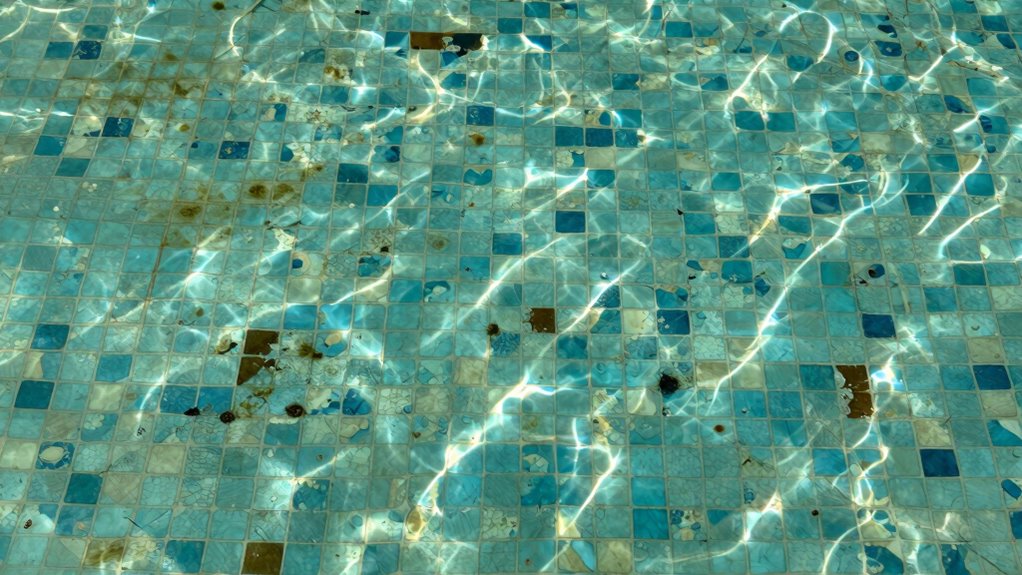

As your pool surfaces age, you’ll notice discoloration, rough patches, and surface breakdown, which can trap dirt, algae, and contaminants, affecting water quality. These changes often require you to adjust chemical treatments, improve cleaning routines, and monitor pH levels more closely. Rough patches promote algae growth and staining, making maintenance more challenging. Understanding how surface deterioration influences water care will help you keep your pool pristine—continue to explore how you can better protect and maintain your pool.

Get pool and patio gear delivered free with Prime
- Fast, free delivery on millions of items
- Prime Video, Amazon Music and more included
- Member-only deals all year
Key Takeaways
- Aging surfaces trap dirt, algae, and contaminants, worsening water clarity and increasing cleaning requirements.
- Surface deterioration promotes algae growth and staining, affecting pool appearance.
- Porous, damaged surfaces accelerate chemical reactions, impacting water chemistry and stability.
- Rough patches and scaling hinder effective chemical distribution and water treatment efforts.
- Timely resurfacing maintains water quality and prevents costly repairs from surface breakdown.
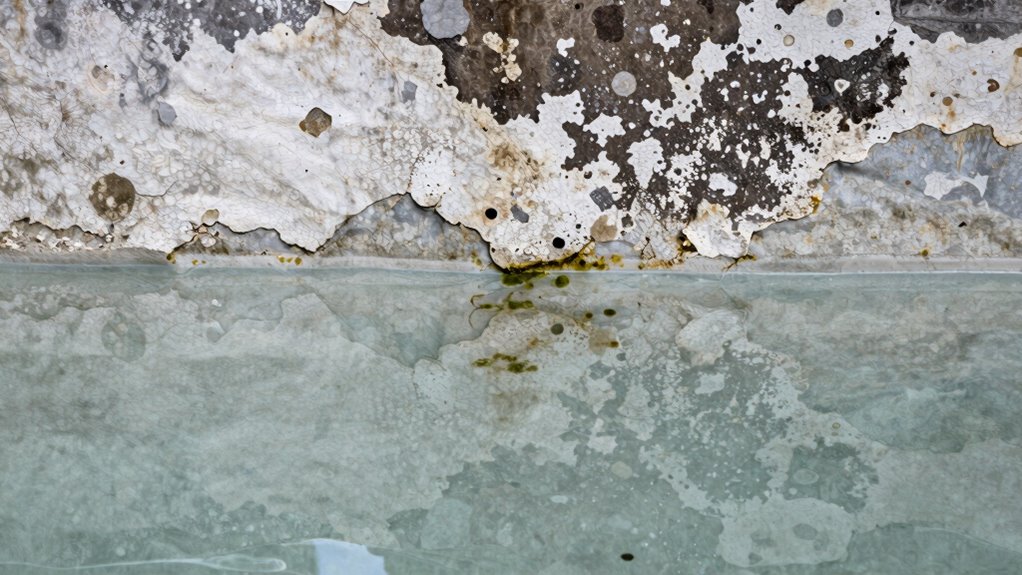
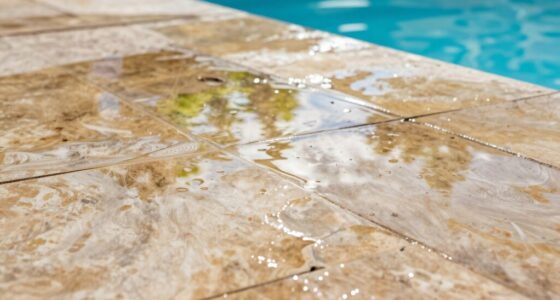
Over time, pool surfaces naturally age and show signs of wear, which can affect both the appearance and functionality of your pool. As the surface deteriorates, it becomes more vulnerable to chemical reactions that can further influence water quality and clarity. Surface deterioration often results from prolonged exposure to pool chemicals, sunlight, and the constant flow of water, all of which accelerate the aging process. When your pool surface begins to break down, it can develop cracks, rough patches, or discoloration, making maintenance more challenging and impacting the overall aesthetic.
Aging pool surfaces develop cracks, discoloration, and rough patches, affecting both beauty and ease of maintenance.
Chemical reactions are a major factor in how aging pool surfaces change over time. Chlorine, pH balancing agents, and other chemicals interact with the surface material, causing gradual breakdown. For example, chlorinated water can lead to surface etching or discoloration, especially if the chemical balance isn’t maintained properly. As these reactions occur, the surface becomes less smooth and more porous, which can trap dirt, algae, and other contaminants. This porous state encourages more chemical reactions, fueling a cycle of deterioration that’s hard to reverse without intervention. Regular monitoring of these reactions and addressing issues early can significantly extend the lifespan of your pool surface.
As the surface deteriorates, it becomes more susceptible to algae growth and staining, which can make your pool look dull and uninviting. The roughened areas provide ideal spots for algae to cling to, and the uneven surface can make cleaning more difficult. Regular brushing and chemical balancing might temporarily mask the issues, but if the deterioration continues unchecked, you’ll notice a decline in water clarity and a rise in maintenance needs. Being proactive with surface repairs or resurfacing can help maintain your pool’s beauty and prevent further damage. Additionally, understanding the chemical interactions that accelerate aging can help you develop better maintenance routines. Recognizing the importance of surface protection can also contribute to reducing long-term damage.
The appearance of your pool is directly linked to the health of its surface. When surface deterioration occurs, the pool’s visual appeal diminishes due to discoloration, scaling, or pitting. These changes can make even a well-maintained pool look neglected. Additionally, the structural integrity of the surface can be compromised, leading to leaks or further damage that might require costly repairs or resurfacing. Recognizing early signs of surface aging allows you to take timely action to preserve both the appearance and integrity of your pool.
To keep your pool looking great and functioning properly, you need to stay vigilant about surface deterioration. Regular testing of water chemistry, combined with proper cleaning and maintenance, helps slow down the effects of chemical reactions on the surface. When signs of aging become evident, such as rough patches or discoloration, addressing them promptly can prevent more serious damage. Ultimately, understanding how aging pool surfaces change over time allows you to take proactive steps, preserving both the beauty and safety of your pool for years to come. Staying informed about surface deterioration and incorporating preventative measures can save you money and extend the life of your pool.
As an affiliate, we earn on qualifying purchases.
Frequently Asked Questions
How Often Should Pool Surfaces Be Inspected for Deterioration?
You should inspect your pool surfaces monthly for deterioration, especially after heavy use or weather changes. Regular surface cleaning helps spot issues early. When comparing materials, some like plaster show cracks faster, while vinyl is more resistant but prone to tears. Monitoring these surfaces regularly ensures you catch problems early, maintain water quality, and extend the lifespan of your pool. Proper inspection and comparison are key to effective water care and a safe swimming environment.
Can Aging Pool Surfaces Cause Increased Chemical Usage?
Aging pool surfaces can act like a sponge, soaking up chemicals and making it harder to maintain proper chemical balance. As the surface’s durability declines, it allows for more debris and algae growth, prompting you to use more chemicals to keep the water clear and safe. This increased chemical usage can lead to higher costs and more complex water care, emphasizing the importance of regular surface maintenance for ideal pool health.
What Are the Signs of Surface Deterioration Affecting Water Quality?
You’ll notice surface cracking and algae buildup as signs of surface deterioration affecting water quality. Cracks can trap dirt and bacteria, making your pool harder to keep clean. Algae buildup indicates increased nutrient levels and poor water circulation, which can cause cloudy water and slippery surfaces. These issues signal that your pool’s aging surface needs maintenance or resurfacing to restore water clarity and safety.
Do Different Pool Surface Materials Age Differently?
Absolutely, pool surface materials age differently—like a fine wine, or a bad joke. Vinyl liners fade faster, revealing their age with cracks and tears, while concrete develops a charming patchwork of stains and roughness. Fiberglass, the smooth operator, ages gracefully but can still suffer from discoloration. These aging effects influence water chemistry and appearance, so knowing your surface’s quirks helps you manage your pool’s ever-changing personality.
How Does Surface Aging Impact Pool Maintenance Costs?
Surface aging increases your pool maintenance costs because it requires more frequent chemical balancing and surface repairs. As the surface deteriorates, algae and debris can accumulate, making it harder to maintain proper chemical levels. You’ll also need to invest in repairs or resurfacing to prevent further damage, which adds to expenses. Regular upkeep becomes more intensive, so staying on top of surface issues early can save you money long-term.
As an affiliate, we earn on qualifying purchases.
Conclusion
As your pool surfaces age, they’re like a weathered canvas, quietly transforming your sparkling oasis into a more delicate masterpiece. The cracks and stains become the whispers of time, subtly altering water chemistry and your pool’s shimmer. But don’t worry—by staying vigilant and maintaining regular care, you’re the artist who can restore its luster. With a little effort, you’ll keep your pool’s beauty alive, turning every dip into a revitalizing splash of timeless elegance.
As an affiliate, we earn on qualifying purchases.
As an affiliate, we earn on qualifying purchases.
Halloween Picks
halloween
As an affiliate, we earn on qualifying purchases.