To estimate resurfacing costs accurately, start by measuring your surface area carefully, breaking irregular spots into smaller sections for easier calculation. Consider the material type, surface features, and any prep work needed, as these affect the price. Resurfacing costs are usually calculated per square foot, so the more precise your measurements, the better your budget planning. Keep in mind additional expenses like decorative finishes or repairs—if you want to learn more, just keep going.
Key Takeaways
- Accurately measure the surface area by breaking irregular shapes into smaller sections and summing their measurements.
- Determine the cost per square foot based on material type, surface complexity, and existing surface condition.
- Use the total surface area multiplied by the unit cost to estimate overall resurfacing expenses.
- Consider additional costs for surface prep, repairs, decorative finishes, and special features like drainage.
- Obtain detailed quotes from multiple contractors to compare prices and ensure all necessary work is included.
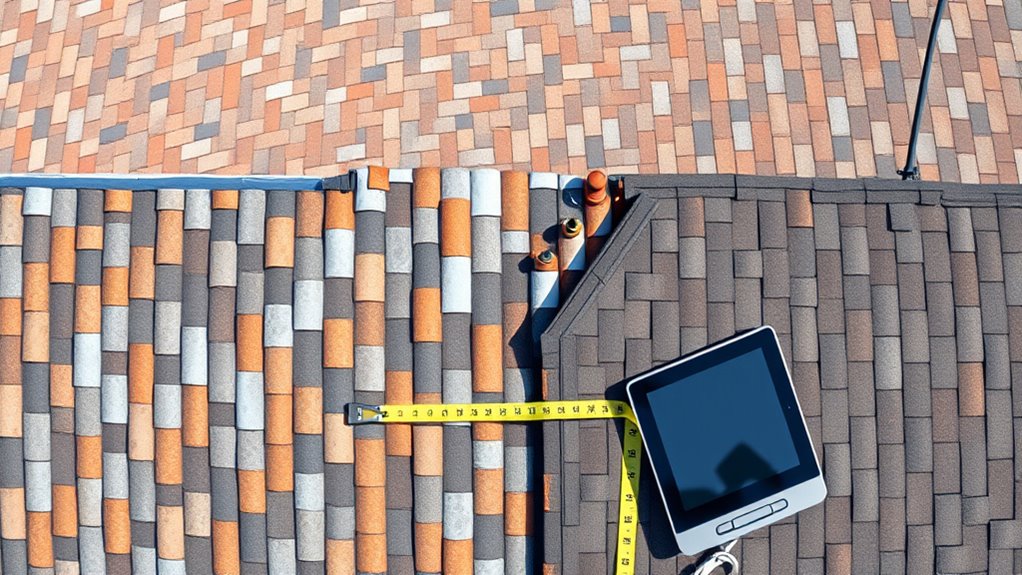
Are you wondering how to accurately estimate the cost of resurfacing your surfaces? Understanding the factors that influence resurfacing expenses can save you money and help you plan effectively. Whether you’re updating a pool deck or driveway paving, knowing the surface area is essential for getting a precise estimate. First, measure the dimensions of your area carefully—length and width—using a tape measure or measuring wheel. For irregularly shaped surfaces, break them into smaller sections, measure each, and then add the areas together. This way, you’ll have an accurate total square footage, which is critical for pricing.
Measuring accurately ensures precise resurfacing cost estimates.
When it comes to a pool deck, consider the material type and condition. A concrete pool deck might require grinding or sealing, but resurfacing typically involves applying a new coat of concrete, stamped overlays, or specialized coatings. The cost depends heavily on the surface area and the complexity of the design. Similarly, driveway paving involves different materials like asphalt, concrete, or stamped concrete, each with distinct costs. Larger surfaces require more materials and labor, so knowing the exact square footage helps you compare quotes from contractors more effectively. Keep in mind that irregularities or existing damage can add to the cost, as some surfaces may need additional prep work before resurfacing.
Once you have your total surface area, you can start estimating costs. Most resurfacing contractors charge per square foot, so multiply your total area by the price per square foot for your chosen material. Prices typically include material, labor, and preparation, but always ask for detailed quotes to understand what’s included. Remember, the more complex the surface (like intricate patterns or textured finishes), the higher the cost. For pool decks, factors like drainage and non-slip surfaces might add to the expense, while driveway paving might incur additional charges if you need to remove old material or repair underlying issues.
In addition to surface area, other considerations influence the overall cost. These include the current condition of your surface, accessibility, and any additional features like decorative finishes or color coatings. Don’t forget to budget for potential extra costs, such as sealing or sealing after resurfacing, which can extend the lifespan of your new surface. By carefully measuring your surfaces and understanding the pricing factors, you’ll be well-equipped to get accurate estimates and make informed decisions about resurfacing your pool deck or driveway paving project. Properly measuring surface area is a crucial step in ensuring your project stays within budget and meets your expectations.
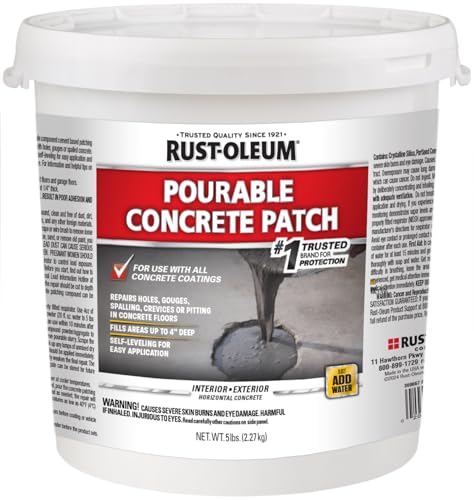
Rust-Oleum 369667 Pourable Concrete Patch, 5 lb Pail
QUICK AND EASY REPAIRS: Fills in large cracks, holes, spalls, gouges and crevices on damaged concrete floors
As an affiliate, we earn on qualifying purchases.
As an affiliate, we earn on qualifying purchases.
Frequently Asked Questions
How Does Weather Affect Resurfacing Schedules and Costs?
Weather delays can considerably impact your resurfacing schedule, making it hard to stick to planned timelines. Rain, snow, and extreme temperatures can postpone work and increase seasonal costs, as contractors may need to work overtime or wait for better conditions. To avoid surprises, plan your project during favorable weather periods, and be aware that poor weather can lead to higher costs and extended timelines, affecting your overall budget.
Can Existing Surface Damage Impact Resurfacing Price Estimates?
Yes, existing surface damage can impact resurfacing price estimates. When you have cracks, holes, or uneven areas, it requires additional preparation and repairs before resurfacing. These extra steps increase labor and material costs, affecting the overall price. It is crucial to assess and address surface damage early, as neglecting it can lead to higher costs later. Accurate estimates consider the extent of damage to avoid surprises during the project.
Are There Eco-Friendly Resurfacing Options Available?
Imagine you’re back in the days of the Pharos Lighthouse, guiding ships safely—today, you can guide your home’s future with eco-friendly resurfacing options. Yes, there are sustainable resurfacing methods using eco-friendly materials that reduce environmental impact. These options often include recycled aggregates or low-VOC binders. Choosing sustainable resurfacing helps protect the planet while enhancing your space’s durability and appearance. It’s a smart, eco-conscious choice for a greener tomorrow.
How Long Does Resurfacing Typically Take?
Resurfacing usually takes anywhere from a few hours to a few days, depending on the surface size and chosen surface texture options. You’ll want to contemplate resurfacing durability when planning your timeline, as more complex textures may take longer to complete. If you opt for a smooth finish, expect quicker results, but if you prefer textured surfaces, the process might extend a bit. Overall, it’s a relatively fast upgrade with lasting benefits.
What Maintenance Is Needed After Resurfacing?
After resurfacing, you should follow simple maintenance tips to guarantee your surface lasts longer. Keep it clean and avoid harsh chemicals that could damage the finish. Regularly inspect for cracks or chips, repairing them promptly to maintain surface longevity. Applying a protective sealant every couple of years can also help. With proper care, your resurfaced area stays beautiful and durable, giving you peace of mind and lasting satisfaction.
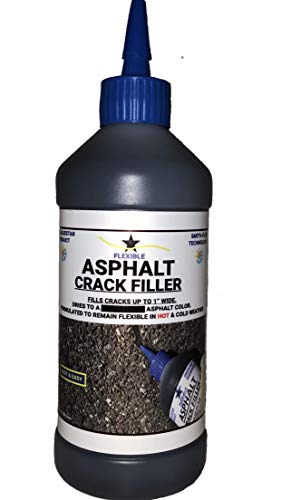
Bluestar Flexible Asphalt Crack Filler, DIY – No Special Tools Needed, Fill Cracks in Asphalt Driveways and Parking Lots. 16 fl. oz. Bottle.
DIY – Fast & Easy To Apply – No Special Tools Needed
As an affiliate, we earn on qualifying purchases.
As an affiliate, we earn on qualifying purchases.
Conclusion
By accurately measuring your surface area and understanding resurfacing costs, you can plan your project confidently. For example, imagine you’re resurfacing a pool deck; knowing the total square footage helps you estimate expenses and choose the right materials. With this estimator, you’ll avoid surprises and stay within your budget. Take the time to assess your space carefully—your future self will thank you for the smooth, successful project!

Cool Pool Deck Coating – 200 sq. ft. Bundle Pack
Complete No Heat DIY Pool Kit: Cool is a One-Of-A-Kind Pool Deck Coating Made to Repair & Resurface…
As an affiliate, we earn on qualifying purchases.
As an affiliate, we earn on qualifying purchases.
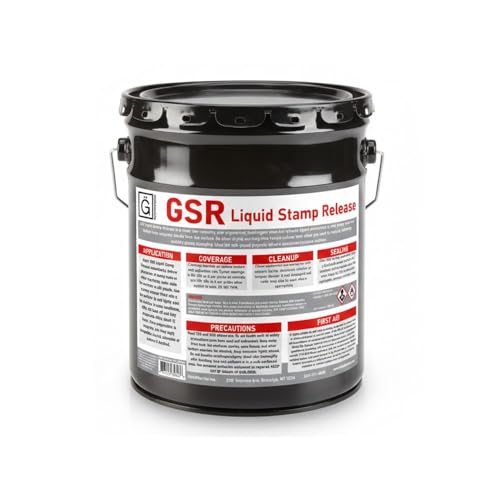
G-SR Liquid Stamp Release & Bond Breaker for Stamped Concrete and Overlays – Clear Residue-Free Formula for Texture Mats, Skins, and Rollers – 5 Gallon – Solvent-Based Concrete Release Agent
【CLEAR STAMPING】G-SR Liquid Stamp Release creates a clear, lubricating barrier between your concrete and stamping tools. Prevent "paste…
As an affiliate, we earn on qualifying purchases.
As an affiliate, we earn on qualifying purchases.