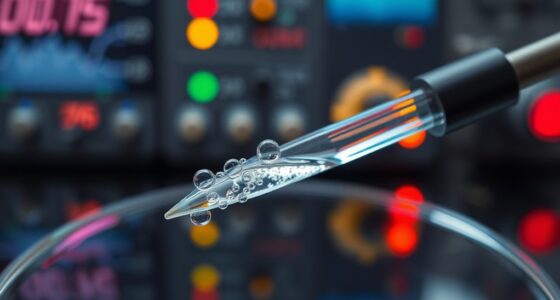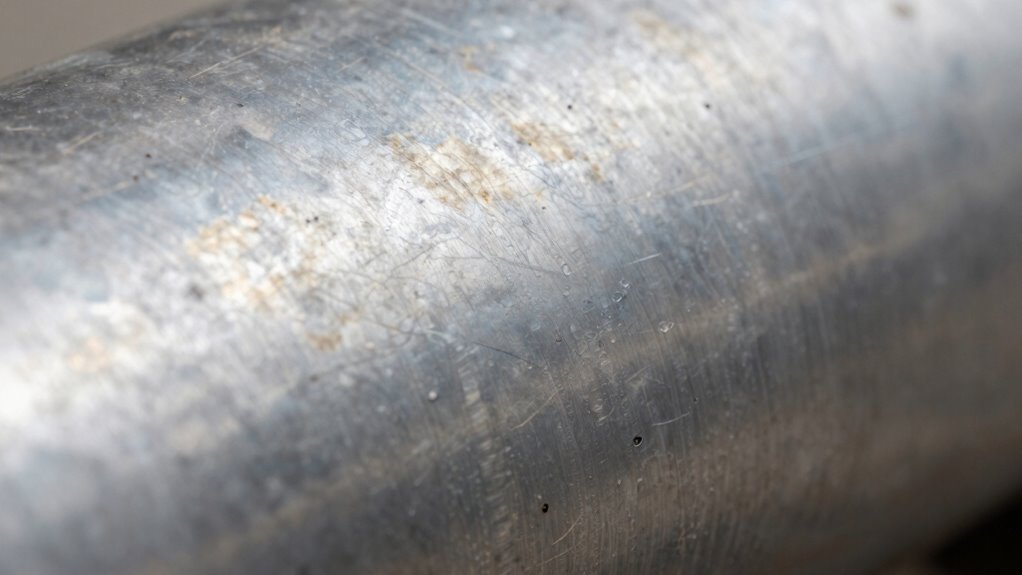

LSI reveals water’s mineral balance before visible issues like scale or corrosion happen, giving you an early warning sign of potential problems. A positive LSI indicates mineral supersaturation, suggesting risks of scale buildup and system efficiency loss. A negative LSI points to corrosive water that can weaken pipes and cause deterioration. Keeping an eye on LSI helps you take proactive steps to protect your equipment and avoid costly repairs. Stay with us to learn how to better manage these risks.

Get pool and patio gear delivered free with Prime
- Fast, free delivery on millions of items
- Prime Video, Amazon Music and more included
- Member-only deals all year
Key Takeaways
- LSI testing indicates whether water is likely to deposit minerals or cause surface deterioration.
- It reveals early signs of water chemistry imbalance before visible scale or corrosion develop.
- A positive LSI suggests potential mineral scaling risks in the system.
- A negative LSI points to corrosive conditions that could weaken pipe walls.
- Near-zero LSI values indicate stable water chemistry, reducing the risk of scale and corrosion.
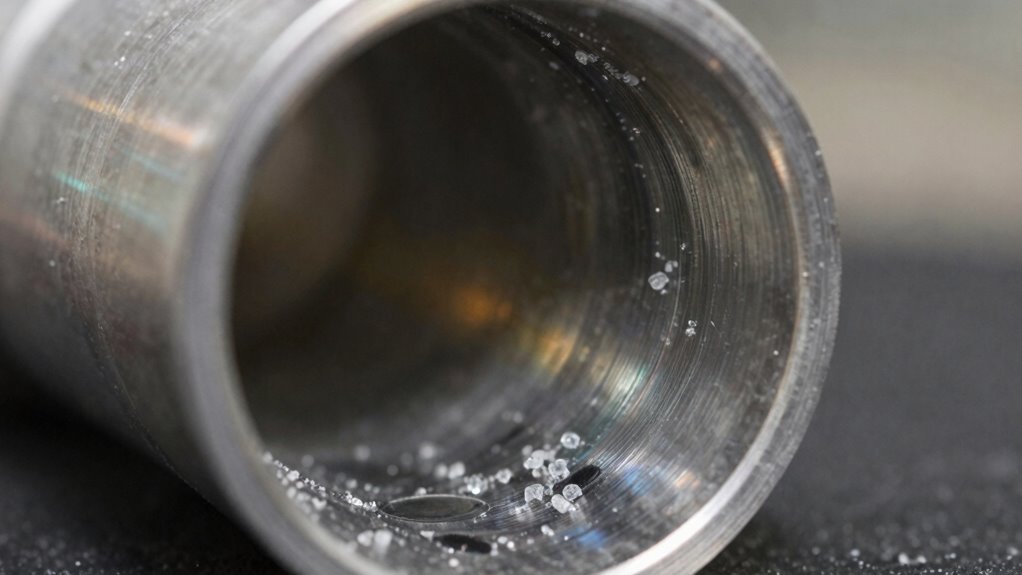
Before addressing scale buildup or corrosion in your systems, obtaining accurate insights through LSI (Langelier Saturation Index) testing is essential. This test helps you understand the water’s tendency to either deposit minerals or cause surface deterioration. When water’s mineral content is in balance, it remains stable, preventing issues like mineral deposition—those hard, stubborn deposits that cling to pipes and equipment. Conversely, if the water is undersaturated, it tends to be corrosive, attacking the surfaces it contacts and leading to corrosion-related deterioration. LSI testing provides a clear picture of where your water stands on this spectrum, allowing you to take proactive measures before problems become visible. Monitoring the water’s mineral balance regularly can help detect early signs of imbalance, enabling timely adjustments. The LSI value fundamentally gauges the water’s tendency to either precipitate minerals or dissolve existing deposits. A positive LSI indicates the water is supersaturated with minerals, meaning you’re at risk of mineral deposition. Over time, this can lead to scale buildup that narrows pipes, reduces heat transfer efficiency, and increases energy costs. Proper control of water chemistry is crucial in managing these risks, and water treatment can be tailored accordingly. On the other hand, a negative LSI suggests the water is undersaturated and likely corrosive. This corrosion can weaken pipe walls, cause leaks, and lead to surface deterioration of equipment. By knowing this, you can adjust water chemistry—perhaps by adding inhibitors or pH adjustments—to steer the water toward a neutral, stable state. Recognizing the early warning signs of imbalance allows you to implement treatment strategies—such as adding antiscalants or adjusting pH—to prevent the formation of scale or corrosion before they damage your system. Additionally, regular testing of the water chemistry can provide valuable data to refine treatment protocols over time. Understanding the impact of mineral balance on system health further emphasizes the importance of ongoing monitoring. This proactive approach minimizes downtime, reduces maintenance costs, and extends the lifespan of your equipment.
As an affiliate, we earn on qualifying purchases.
Frequently Asked Questions
Can LSI Predict the Exact Timing of Scale Formation?
LSI can’t predict the exact timing of scale formation, but it offers valuable insights into early signs of issues. Its predictive accuracy depends on measurement frequency and data quality. If you measure frequently and monitor closely, LSI can help you spot trends before scale or corrosion visibly appears. This proactive approach allows you to take preventive action, reducing downtime and maintenance costs effectively.
How Often Should LSI Measurements Be Taken for Early Detection?
Think of LSI measurements like regular health check-ups for your system. You should monitor water quality and perform LSI measurements at least weekly to catch early signs of scale or corrosion. This consistent monitoring frequency helps identify trends before problems become visible. If your water quality varies or your system operates under fluctuating conditions, increase the frequency to bi-weekly or even daily, ensuring you stay ahead of potential issues.
Is LSI Effective for All Types of Water Systems?
LSI is effective for many water systems, but its accuracy depends on thorough chemical analysis and system compatibility. You should consider the water chemistry and materials used in your system before relying on LSI readings. Proper calibration and understanding of the specific system are essential. When these factors align, LSI provides valuable early warnings for scale or corrosion, helping you take proactive measures to protect your system.
What Are the Cost Implications of Implementing LSI Monitoring?
Ever wondered if monitoring LSI impacts your budget? Implementing LSI monitoring can initially increase costs due to equipment and setup, but it often reduces long-term maintenance costs by catching issues early. You save on repairs and water chemistry adjustments before scale or corrosion damage occurs. While there’s an upfront investment, the overall expense balances out by preventing costly system failures and optimizing water chemistry, making it a smart financial move.
How Does LSI Compare to Other Corrosion Detection Methods?
You’ll find LSI stands out compared to other corrosion detection methods because it uses advanced imaging and data analysis to identify early signs of scale or corrosion. Unlike traditional techniques that often detect issues after they’ve become severe, LSI provides real-time, non-invasive insights, allowing you to address problems proactively. This early detection can save you significant costs and prevent equipment failure, making it a more effective and efficient choice.
As an affiliate, we earn on qualifying purchases.
Conclusion
By paying close attention to LSI insights early on, you can catch potential issues before they become big problems. Recognizing subtle signs means you’re not flying blind, giving you the upper hand in maintenance. Remember, a stitch in time saves nine—addressing concerns now keeps your system running smoothly and saves you from costly repairs later. Stay vigilant, and you’ll keep everything ticking like clockwork, long before scale or corrosion ever shows its face.
As an affiliate, we earn on qualifying purchases.
As an affiliate, we earn on qualifying purchases.
Halloween Picks
halloween
As an affiliate, we earn on qualifying purchases.