To stay compliant with current health codes for public pools, you need to regularly test and adjust water chemistry, maintain sanitation protocols, and keep detailed records of inspections. Stay updated on any new regulation changes to avoid fines and ensure swimmer safety. Proper equipment maintenance and staff training are also essential. If you want to learn more about recent updates and best practices, keep going to guarantee your pool remains safe and compliant.
Key Takeaways
- Regularly review and stay updated on local and federal health regulations for public pools.
- Maintain accurate records of chemical testing, sanitation, and maintenance procedures for inspections.
- Ensure daily chemical testing of chlorine, pH, and alkalinity meets current standards.
- Implement routine sanitation, equipment checks, and water circulation practices as per latest guidelines.
- Promptly address any violations or deficiencies identified during inspections to ensure ongoing compliance.
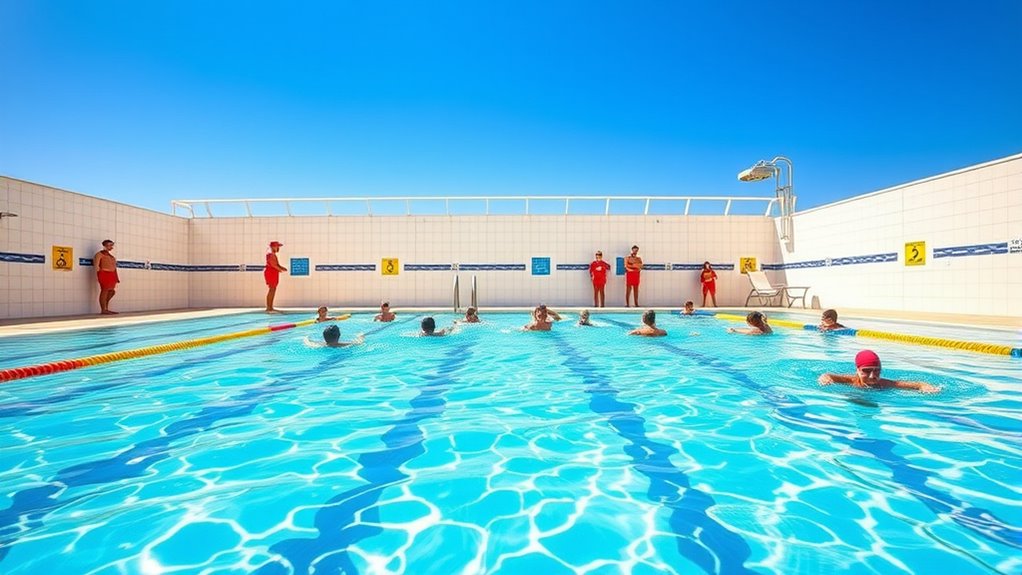
Public pools must follow strict health codes to guarantee swimmer safety and prevent the spread of illness. Ensuring these standards are met involves regular chemical testing and diligent sanitation procedures. As someone responsible for maintaining a pool, you understand that proper chemical testing is essential to keep water safe and balanced. This process involves checking levels of chlorine, pH, alkalinity, and other chemicals multiple times a day. By doing so, you can promptly adjust chemical concentrations, preventing bacteria and algae growth while minimizing skin and eye irritation for swimmers. Accurate testing requires reliable testing kits or digital meters, and it’s crucial to record results meticulously. These records serve as proof of compliance during inspections and help identify trends or issues before they become serious problems.
Sanitation procedures are equally indispensable in maintaining a safe swimming environment. Regular cleaning of pool surfaces, skimming debris, and vacuuming the bottom of the pool all contribute to effective sanitation. You should also ensure that filters are functioning correctly and are cleaned or replaced as recommended by the manufacturer. Proper circulation of water is necessary to distribute chemicals evenly and prevent stagnation, which can lead to bacterial growth. Additionally, the surrounding areas, including locker rooms and pool decks, must be routinely disinfected to reduce the risk of contamination. Staff training on sanitation protocols helps maintain consistency and ensures that procedures are followed correctly at all times. Adequate signage reminding patrons of hygiene practices, such as showering before swimming and not bringing in outside contaminants, also plays a role in sanitation efforts. Regular filter maintenance is essential to keep the filtration system functioning optimally and prevent water quality issues.
Staying compliant with health codes means staying proactive. Regular inspections by local health authorities often focus on chemical testing records and sanitation routines. If discrepancies or violations are found, immediate corrective actions are necessary to restore safety standards. This might involve adjusting chemical levels, deep cleaning the pool area, or repairing equipment. Keeping up with updates in health regulations is essential because standards can evolve, especially during health crises or new scientific findings. Incorporate these updates into your routine to avoid penalties and ensure a safe environment for everyone. By prioritizing rigorous chemical testing and thorough sanitation procedures, you not only comply with regulations but also foster trust among swimmers and staff. Ultimately, your commitment to these practices helps prevent waterborne illnesses, enhances the swimming experience, and maintains your pool’s reputation as a safe, enjoyable facility.
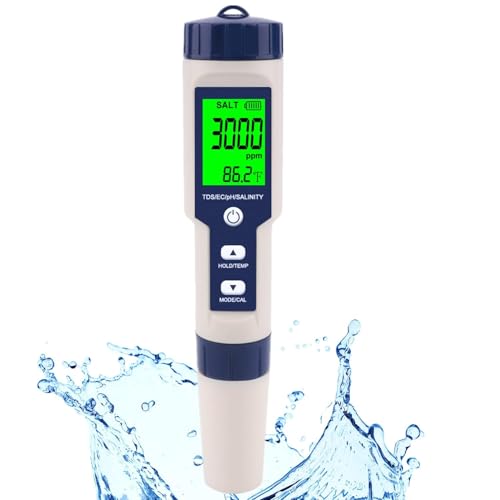
Pool Salt Tester & PH Meter, Hofun Digital Salinity Meter and PH Tester for Aquarium and Pool Saltwater Water, 5 in 1 Salinity PH Temp EC and TDS Meter, Aquarium Swimming Pool Hot Tub, High Accuracy
Wide Usage PH Meter : Hofun ph meter is an essential tool to improve your life quality. This…
As an affiliate, we earn on qualifying purchases.
As an affiliate, we earn on qualifying purchases.
Frequently Asked Questions
How Often Are Health Inspections Conducted for Public Pools?
You should expect health inspections for public pools at least once a year, though some places may inspect more frequently. During inspections, they check pool water quality and perform chemical testing to ensure safety. If issues are found, you might see follow-up inspections. Staying compliant with these standards helps keep the water safe and clean, so you can swim with peace of mind.
What Are the Penalties for Non-Compliance With Health Codes?
You face serious consequences if you don’t comply with health codes, including hefty fines and potential license suspension. Studies show that non-compliance leads to a 30% increase in liability issues for pool operators. Enforcement methods include inspections, fines, and even legal action. Staying compliant not only protects public health but also helps you avoid costly penalties and legal liabilities, ensuring your pool remains open and safe for everyone.
Are There Specific Requirements for Pool Staff Training?
Yes, there are specific requirements for pool staff training. You need to guarantee staff complete certified training programs that cover safety procedures, water chemistry, and emergency response. Staff certification is mandatory and must be kept current. Regular training updates are essential to stay compliant with health codes. By prioritizing these requirements, you help maintain a safe environment and avoid potential violations or penalties.
How Do Health Codes Address COVID-19 Safety?
You’re required to follow health codes that address COVID-19 safety by implementing sanitation protocols, enforcing mask mandates in common areas, and promoting social distancing. These measures aim to reduce transmission, guarantee clean water, and protect staff and swimmers alike. You must regularly sanitize surfaces, encourage mask-wearing when not in the water, and monitor for symptoms. Staying compliant helps keep your pool safe and open for everyone’s enjoyment.
Can Private Pools Be Exempt From Public Health Regulations?
You might wonder if private pools can be exempt from public health regulations. Generally, private pool exemptions exist, especially for residential pools not open to the public. However, regulatory differences vary by location; some areas impose safety standards regardless of pool type. It is crucial to check local laws because even private pools often need to meet certain safety and sanitation requirements to ensure swimmer health and safety.
pool chemical test kit
As an affiliate, we earn on qualifying purchases.
As an affiliate, we earn on qualifying purchases.
Conclusion
By following the latest health codes, you help create a safe oasis where everyone can enjoy the water’s gentle embrace. When you stay compliant, you’re tending to a delicate garden of cleanliness and care, ensuring each splash is as invigorating as a morning dew. Embrace these updates like a warm sunbeam, nurturing a welcoming environment that invites smiles and laughter. Together, you can keep the pool a sparkling haven for all to enjoy.

INTEX Krystal Clear Saltwater Pool Chlorine System for Above Ground Pools up to 7,000 Gallons, Pool Cleaner with Automatic Timer and Self Cleaning
✔ UPGRADE TO A SALTWATER POOL – QS500 saltwater system lets you enjoy the same process used for…
As an affiliate, we earn on qualifying purchases.
As an affiliate, we earn on qualifying purchases.

Aqua Comb Pool Filter Cartridge Cleaning Tool
DESIGNED AND BUILT FOR LONG LIFE AND USE: The Aqua Comb body is made of UV protected ABS…
As an affiliate, we earn on qualifying purchases.
As an affiliate, we earn on qualifying purchases.