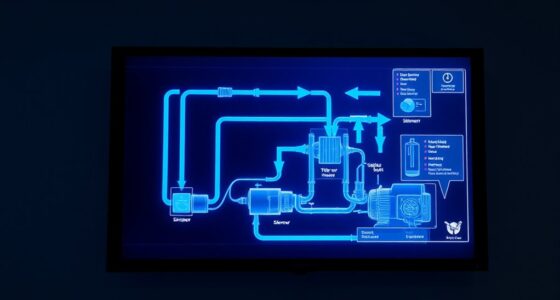
To minimize surprises as a new pool owner, establish a routine of regular water testing for pH, chlorine, and alkalinity, and keep equipment well-maintained. Store chemicals safely and follow proper handling instructions. Install safety barriers and keep rescue gear nearby every time you supervise swimmers. Developing consistent maintenance habits and understanding basic troubleshooting will build your confidence. Keep exploring these essentials, and you’ll enjoy a safer, more trouble-free swimming experience every season.

Get pool and patio gear delivered free with Prime
- Fast, free delivery on millions of items
- Prime Video, Amazon Music and more included
- Member-only deals all year
Key Takeaways
- Establish a weekly water testing routine to monitor pH, chlorine, and alkalinity levels for consistent water quality.
- Learn proper chemical handling and storage to prevent accidents and ensure safe use.
- Perform regular equipment maintenance, including filter cleaning and pump checks, to avoid unexpected failures.
- Implement safety measures such as fencing, supervision, and accessible rescue equipment to prevent accidents.
- Develop a routine and stay informed to proactively address issues, building confidence in your pool maintenance skills.

Starting a new pool can feel overwhelming, but having a clear learning roadmap makes the process much smoother. When you’re new to pool ownership, it’s easy to feel unsure about where to begin, especially with all the equipment, chemicals, and safety considerations involved. The key is to focus on two main areas: pool maintenance and safety precautions. These form the foundation of a well-functioning, safe, and enjoyable swimming environment.
First, understand that consistent pool maintenance is essential to keep your water clean, clear, and safe. You’ll need to learn how to test your water regularly for pH, chlorine levels, alkalinity, and calcium hardness. Investing in a good test kit and maintaining a weekly schedule helps prevent common problems like algae growth or cloudy water. You’ll also want to familiarize yourself with proper chemical balancing—adding chlorine or other sanitizers as needed—and learn how to handle chemical storage safely. This not only preserves the quality of your water but also reduces the risk of accidents caused by improper chemical use. Regular maintenance also involves cleaning your pool’s filters, brushing the walls, and skimming debris from the surface. Developing a routine makes these tasks manageable and ensures your pool stays in top shape, reducing surprises like unexpected algae blooms or equipment failures. Additionally, understanding the importance of chemical safety helps prevent accidents and ensures proper handling of pool chemicals. Incorporating proper water testing techniques and understanding how to interpret results is crucial for maintaining healthy water chemistry. Familiarity with pool equipment maintenance tasks further supports a trouble-free swimming season. Moreover, staying informed about pool chemistry helps you troubleshoot issues more effectively and maintain balanced water conditions.
Alongside maintenance, understanding safety precautions is non-negotiable. As a new owner, you should prioritize safeguarding everyone who uses the pool. Install safety barriers like fences and pool covers, especially if children or pets are around. Always supervise swimmers and never leave the pool unattended when it’s in use. Keep rescue equipment nearby, such as a life ring or reaching pole, and learn basic water rescue techniques. It’s also crucial to understand CPR and first aid, so you’re prepared for emergencies. Additionally, be cautious with chemicals—store them out of reach, and follow manufacturer instructions carefully to avoid accidents. Regularly check your pool’s equipment, like filters and pumps, to ensure everything works correctly and doesn’t pose safety hazards.
As you progress, you’ll find that maintaining your pool becomes second nature. Staying consistent with pool maintenance and adhering to safety precautions minimizes surprises and keeps your pool a safe, inviting space. Remember, the better you understand the essentials, the more confident you’ll feel handling routine tasks and addressing issues proactively. Having this roadmap guides you step-by-step, turning what might seem like a daunting responsibility into an achievable, rewarding part of your homeownership experience. With some effort and attention, you’ll enjoy many worry-free seasons of swimming and relaxation.
Products Worth Considering

Philips Hue Bridge Pro Starter Kit with 4 A19 E26 Smart Bulbs

Arlo Pro Wireless Security Camera, 2K HDR, 6th Gen, 4-Camera Kit

Arlo Ultra 4K HDR Wireless Security Camera (3rd Gen), 3-Camera Kit with SmartHub
As an affiliate, we earn on qualifying purchases.
Frequently Asked Questions
How Much Does Pool Ownership Typically Cost Annually?
Pool ownership usually costs between $1,200 and $2,500 annually, depending on your pool size and maintenance habits. You’ll spend money on pool chemicals to keep the water balanced and safe. Regular water filtration is essential, so expect costs for filter replacements or upgrades. Routine maintenance involves balancing chemicals, cleaning filters, and checking equipment, which helps prevent costly repairs and keeps your pool inviting all season long.
What Are Common Safety Concerns for New Pool Owners?
As a new pool owner, safety concerns include choosing the right pool cover options to prevent accidents and guarantee security, especially for children and pets. You should also prioritize chemical safety by storing chemicals properly and maintaining correct pH levels to avoid health hazards. Regularly inspecting your pool equipment and setting up safety barriers further reduces risks, giving you peace of mind and a safer swimming environment.
How Often Should I Schedule Professional Pool Maintenance?
Your pool deserves more attention than a royal throne, so schedule professional maintenance at least once every 4-6 weeks. During these visits, they’ll check the pool chemical balance, ensuring safe, sparkling water, and perform equipment maintenance to prevent costly breakdowns. Regular upkeep keeps your pool pristine, saves you from surprises, and extends its lifespan. Trust professionals to catch issues early and keep your pool in tip-top shape all season long.
What Permits or Regulations Are Required for Pool Installation?
You need to obtain pool installation permits before starting your project, which guarantees your pool complies with safety and building standards. Check your local regulations, as requirements vary by city or county. Contact your local building department or zoning office to learn about necessary permits and restrictions. Securing these permits early prevents delays or fines, making your pool installation smoother and more compliant with all legal requirements.
How Can I Reduce Ongoing Pool Operating Expenses?
To reduce ongoing pool operating expenses, start by investing in a good pool cover, which minimizes evaporation and heat loss, lowering energy and chemical costs. Regular water testing helps you maintain proper chemical balance, preventing overuse of chemicals and reducing waste. Additionally, schedule routine maintenance to catch issues early, ensuring your pool operates efficiently. These steps keep your expenses manageable while keeping your pool clean and inviting.
Conclusion
Now that you have this roadmap, you’re ready to plunge into pool ownership with confidence. But remember, every pool is unique, and surprises can still pop up when you least expect them. Stay vigilant, keep learning, and trust your newfound knowledge. The journey doesn’t end here — the real adventure begins as you uncover the secrets to a smooth, worry-free pool experience. Are you prepared for what’s next? The water’s waiting.