
TL;DR
Rural Sprout’s fall gardening report outlines seven tasks to do before the first frost, including harvesting or covering tender vegetables and herbs, bringing houseplants indoors, and planting overwintering crops. Frost and a hard freeze can affect plants differently, and the right timing depends on local conditions and each plant’s tolerance.
Rural Sprout has published a checklist of seven garden tasks for gardeners to handle before the first frost, including harvesting tender vegetables, protecting herbs and bringing outdoor houseplants inside. The guidance matters because frost can damage tender plants, while a harder freeze can end the growing season for many crops; the timing and severity of cold weather vary by location.

Get pool and patio gear delivered free with Prime
- Fast, free delivery on millions of items
- Prime Video, Amazon Music and more included
- Member-only deals all year
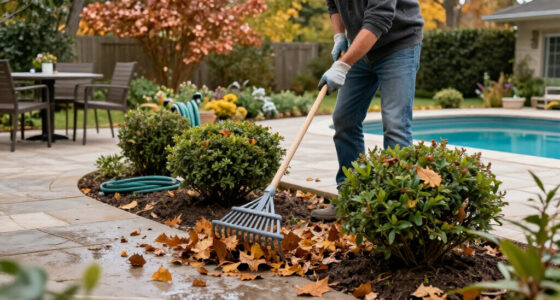
The report recommends watching local forecasts and deciding whether to cover tender warm-season crops or harvest them before cold weather. It lists tomatoes, peppers, eggplant, cucumbers, summer squash, melons and beans among vegetables to pick ahead of frost. For plants gardeners want to protect, it favors fabric such as frost cloth, sheets or towels over plastic. It says to cover plants before evening dew and remove the covering after sunrise.
Some crops tolerate light frost better than tender vegetables, but the report says that does not make them invulnerable to a freeze. It advises covering or harvesting cold-weather crops such as lettuce, spinach, kale and mâche ahead of a hard freeze, and bringing in Brussels sprouts and broccoli before those conditions. Winter squash and pumpkins should be picked and cured indoors, according to the report, as part of a broader vegetable garden cleanup before winter.
Herb care depends on the plant and local climate. The article identifies basil as particularly sensitive, saying its leaves can blacken at temperatures just below 40°F. It recommends harvesting basil before frost and moving potted rosemary, lemongrass and bay plants indoors in colder regions. It also advises bringing summer houseplants inside before frost, checking them for pests and keeping them apart from other indoor plants for a period. The seven-task headline also refers to planting alliums and other overwintering vegetables, though the supplied source excerpt cuts off during that section.
Protecting the Last Harvest
The checklist is aimed at avoiding preventable losses as outdoor growing conditions change. A timely harvest can preserve tender produce, while a cover may extend the time available to pick crops that are still producing. Bringing potted plants inside can also reduce their exposure to cold, though the report’s suggested actions are general guidance rather than a guarantee of protection.
The distinction between a light frost and a hard freeze affects which jobs need to happen first. A gardener who knows the forecast and the cold tolerance of specific plants can prioritize vulnerable crops instead of treating every bed alike. Because garden conditions vary, readers should use local forecasts and adapt the checklist to their own plants and climate.
Products Worth Considering

Philips Hue Play Gradient Light Tube, Large, Black

Shark Pet Cordless Stick Vacuum IX141

Dyson V12 Detect Slim Absolute Cordless Stick Vacuum
As an affiliate, we earn on qualifying purchases.
Frost Versus a Hard Freeze
Rural Sprout distinguishes frost at ground level from a freeze in the air. It describes frost as occurring when ground-level temperatures reach 32°F; air above the ground can remain warmer. A freeze, by contrast, occurs when the air temperature falls below 32°F. The report says frost can damage plant tissue, while a hard freeze can cause more extensive harm without protection.
The article frames its list as preparation for the first frost, while cautioning that a freeze may follow. Its recommendations include both immediate measures, such as harvesting or covering crops, and planning for later in the season, such as moving tender plants inside. The excerpt provided supports details on the first three tasks and begins a fourth about fall-planted garlic, shallots and onion sets; it does not supply the complete seven-item list.
Local Timing and Missing Details
The source provides no location-specific frost dates, forecast or publication date, so readers cannot use it to determine exactly when cold weather will arrive in their gardens. Its advice also does not establish that every plant in a listed category will respond the same way; variety, exposure and growing conditions can affect cold tolerance.
The source material supplied for this article ends partway through the fourth task, despite the headline promising seven. Details for the remaining tasks are therefore not available here and have not been inferred. The report’s recommendations should be treated as seasonal guidance, not as a substitute for a local forecast or plant-specific advice.
Check Forecasts Before Cold Arrives
Gardeners can use local forecasts to identify a likely frost night, then prioritize the most vulnerable crops and potted plants. Before covering beds, the report advises setting fabric in place before evening dew and removing it in the morning after the sun is up. Anyone planning to bring plants indoors can inspect them for pests and keep them separate from other houseplants temporarily.
The exact date for these tasks depends on local weather, and no follow-up date or additional source material was provided. The remaining items in the advertised seven-task list cannot be confirmed from the available excerpt.
Key Questions
What is the difference between frost and a freeze?
The report describes frost as forming when ground-level temperatures reach 32°F, even if the air above ground is warmer. A freeze occurs when air temperature falls below 32°F and can cause more severe plant damage.
Which vegetables should be harvested before frost?
The report lists tomatoes, peppers, eggplant, cucumbers, summer squash, melons and beans as tender crops to harvest before the first frost, unless gardeners plan to protect them. It recommends bringing in winter squash and pumpkins to cure indoors.
Can fabric protect vegetables from frost?
Rural Sprout recommends fabric covers, including frost cloth, sheets or towels, rather than plastic. It says to cover plants before evening dew and remove the fabric in the morning after the sun is up. The source does not guarantee protection in every weather condition.
When should outdoor houseplants come inside?
The report’s author says they bring plants indoors when nighttime temperatures consistently fall below 55°F. That is a personal practice described in the article, not a universal threshold; plant needs and local conditions may differ.
Source: rss