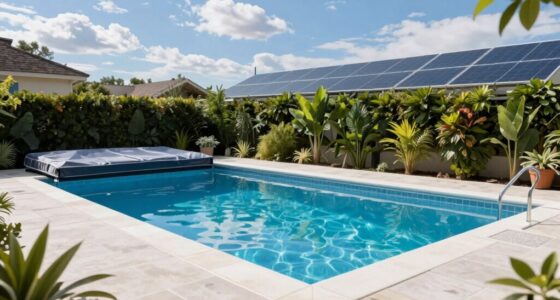

To manage backwash water sustainably, you should prioritize treating it with advanced filtration and careful chemical dosing to neutralize contaminants safely. Recycling the treated water back into your system reduces fresh water use and minimizes environmental impact. Incorporating settling tanks or buffer ponds allows gradual treatment, while combining filtration and chemical treatment enhances water quality without cutting corners. For practical, eco-friendly solutions that protect the environment, keep exploring how innovative practices can make a difference.
Key Takeaways
- Implement integrated treatment strategies combining chemical neutralization and advanced filtration to enhance water quality sustainably.
- Recycle and reuse treated backwash water within the system to conserve water resources and reduce waste.
- Use environmentally friendly chemicals and optimize dosing to minimize chemical impact on the environment.
- Incorporate settling tanks and buffer ponds to facilitate gradual, eco-conscious water treatment processes.
- Continuously monitor and optimize treatment processes to balance efficacy with environmental responsibility.
Have you ever wondered what happens to the water used to clean filters in water treatment systems? That backwash water isn’t just waste; it’s a resource that can be managed sustainably with the right approach. Traditional methods often involve dumping or over-treating, which can harm the environment and waste valuable resources. Instead, you can adopt greener strategies that prioritize environmental health without sacrificing water quality or system efficiency.
One effective method involves applying chemical treatment to the backwash water. By carefully selecting and dosing chemicals, you can neutralize contaminants and prevent pollutants from entering natural waterways. Chemical treatment helps break down organic matter, oils, and other pollutants, making the water safer for reuse or proper disposal. It’s essential to monitor chemical levels precisely to avoid overuse, ensuring you’re not introducing unnecessary chemicals into the environment. Combining chemical treatment with filtration techniques allows you to remove solids and residual chemicals, producing cleaner water that can be recycled within your system or safely discharged.
Chemical treatment neutralizes contaminants, making backwash water safer for reuse and environmentally responsible disposal.
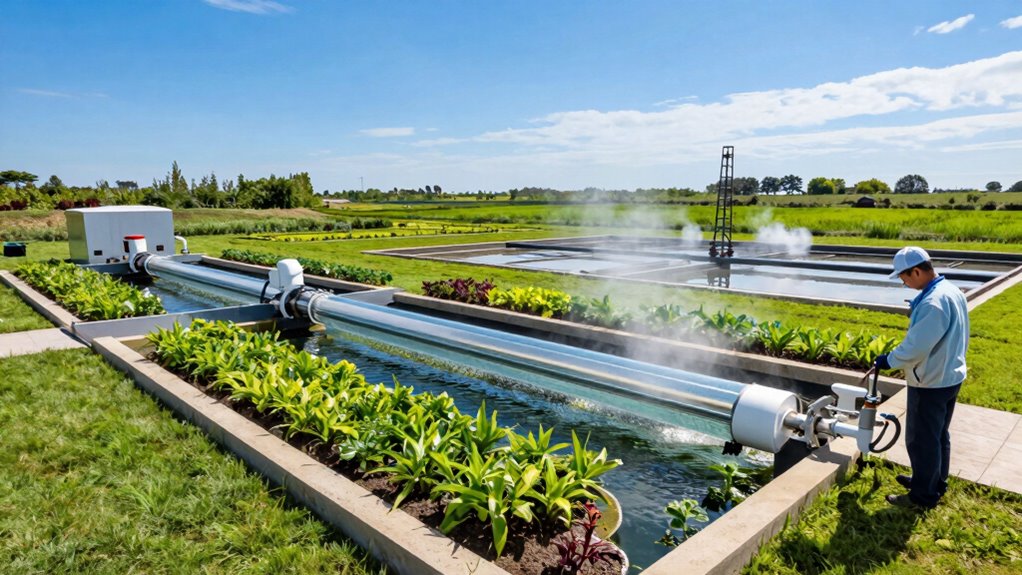
Filtration techniques are central to greener backwash water management. Using advanced filtration methods—such as membrane filtration, sand filters, or activated carbon—can notably reduce contaminants in the backwash water. These techniques help capture solids, oils, and residual chemicals, making the water suitable for recycling or environmentally friendly disposal. By integrating filtration into your process, you limit the reliance on chemical treatment alone, reducing chemical consumption and lowering your environmental footprint. Incorporating innovative filtration methods can further optimize water quality and system performance. Additionally, employing water quality monitoring ensures that the treatment processes are functioning effectively and that water standards are consistently met.
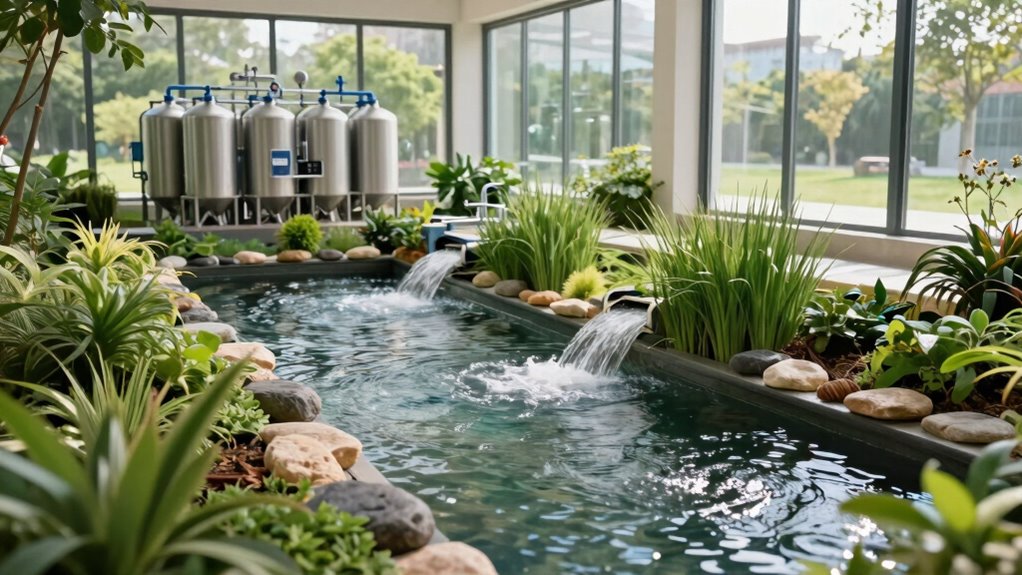
You can also consider implementing water reuse strategies, where treated backwash water is recirculated within your system. This reduces the demand for fresh water and minimizes wastewater discharge, aligning with sustainable practices. Installing settling tanks or buffer ponds allows you to hold and treat backwash water gradually, optimizing chemical and filtration processes. This way, you’re not just treating water for compliance but actively conserving resources and supporting ecological balance. Furthermore, adopting integrated water management approaches can help streamline your processes and reduce operational costs. Additionally, employing water conservation techniques can further enhance your system’s sustainability by reducing overall water consumption.
Adopting these greener practices doesn’t mean cutting corners. It means rethinking how you manage backwash water with a focus on sustainability, efficiency, and environmental responsibility. Incorporating innovative treatment methods, such as advanced filtration, can further enhance your system’s environmental friendliness. Combining chemical treatment with advanced filtration techniques offers a balanced approach that enhances water quality while minimizing negative impacts. With careful planning and implementation, you can maintain high treatment standards and protect our environment, proving that environmentally conscious water management is both practical and achievable.

Whole House Water Filter 6-Year Backwash Filtration System Stainless Steel
- High Flow Rate: 13.2 GPM for stable water pressure
- Advanced Ultrafiltration: 0.01μm sediment and particle removal
- Superior Filtration Performance: 99.63% turbidity reduction
As an affiliate, we earn on qualifying purchases.
As an affiliate, we earn on qualifying purchases.
Frequently Asked Questions
How Does Backwash Water Impact Local Ecosystems?
Backwash water can threaten local ecosystems by causing ecosystem disruption and water contamination. When not properly managed, chemicals and debris from backwash water enter nearby water bodies, harming aquatic plants and animals. You need to guarantee that backwash water is treated or reused responsibly to minimize these impacts. By doing so, you help protect the health of local ecosystems and maintain a balanced environment for all living things.
What Are the Long-Term Cost Benefits of Eco-Friendly Backwash Management?
Eco-friendly backwash management offers long-term cost savings by reducing water and chemical expenses. You’ll also benefit from a lower environmental impact, which can lead to fewer regulatory fines and improved community relations. Over time, sustainable practices help maintain equipment efficiency and prevent costly repairs. By choosing greener methods, you not only save money but also contribute positively to the environment, ensuring your operations remain sustainable and compliant for years to come.
Are There Regulations Governing Backwash Water Disposal?
You need to know that regulations definitely govern backwash water disposal. Staying within regulatory compliance means adhering to disposal standards set by local, state, or federal agencies. These standards aim to prevent environmental harm and protect water quality. Ignoring them can lead to hefty fines or legal troubles. So, it’s wise to stay updated on current rules and make sure your backwash management practices align with all required regulations.
How Can Facilities Monitor Backwash Water Quality Effectively?
You can monitor backwash water quality effectively by regularly testing samples for contaminants using water filtration systems and chemical treatment analysis. Implement real-time sensors to track parameters like pH, turbidity, and residual chemicals. Conduct routine lab tests and keep detailed records to identify trends. This proactive approach guarantees compliance, promotes sustainability, and maintains ideal water quality without harming the environment or cutting corners.
What Innovative Technologies Are Emerging for Sustainable Backwash Water Reuse?
Emerging technologies like membrane filtration act as the gatekeepers of sustainable backwash water reuse, filtering out impurities with precision. Meanwhile, chemical recycling transforms waste into valuable resources, much like alchemy turning trash into treasure. Together, these innovations help you reduce environmental impact, save costs, and promote water conservation. Embracing these advancements allows you to manage backwash water responsibly while maintaining high-quality standards.

Chemical Guys, Heavy Duty Water Spot Remover Gel for Glass & Paint, 16 oz
- Heavy Duty Water Spot Remover: Targets stubborn mineral stains and water spots
- Safe and Effective Formula: Removes water marks without damaging surfaces
- Versatile Surface Compatibility: Works on paint, glass, chrome, aluminum, and steel
As an affiliate, we earn on qualifying purchases.
As an affiliate, we earn on qualifying purchases.
Conclusion
By embracing eco-friendly backwash water management, you’re not just maintaining your pool—you’re tending to a delicate garden of sustainability. Picture your efforts as a gentle rain nourishing the earth, transforming waste into a resource that blooms with responsibility. When you choose the greener path, you’re weaving a tapestry of care that paints a cleaner, healthier future. So, take the helm with confidence—your small acts ripple outward, shaping a brighter, more sustainable horizon.
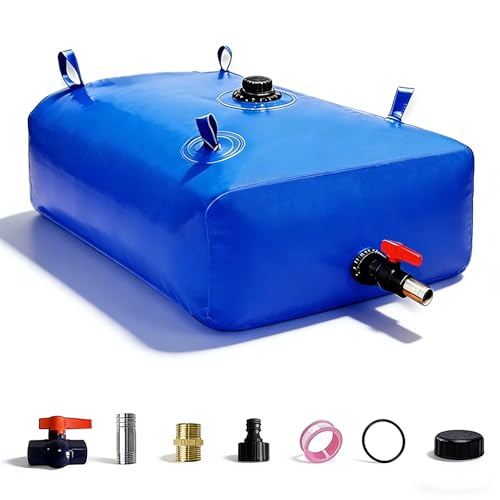
240 L/63 Gal Water Bladder Tank, Foldable Portable Water Storage Container
- Heavy-Duty 3-Layer PVC: Puncture and tear resistant with UV protection
- Leak-Proof Welded Seams: Reinforced for zero leaks under pressure
- Large 63-Gallon Capacity: Portable and lightweight for easy transport
As an affiliate, we earn on qualifying purchases.
As an affiliate, we earn on qualifying purchases.

iSpring RCC7AK-BN NSF Certified, 75 GPD, Alkaline 6-Stage Reverse Osmosis System, pH+ Remineralization RO Water Filter System Under Sink Patented Top-Mounted Faucet Design for Easy Installation
- Patented Top-Mounted Faucet: Easy above-sink installation
- Mineral Boost Stage: Adds essential minerals and balanced pH
- Transparent Filter Housing: Monitor contaminant buildup easily
As an affiliate, we earn on qualifying purchases.
As an affiliate, we earn on qualifying purchases.