TL;DR
A new, easy method encourages gardeners to help bees during heatwaves by placing a shallow saucer filled with water and pebbles. This simple action can make a significant difference for pollinator survival amid rising temperatures.
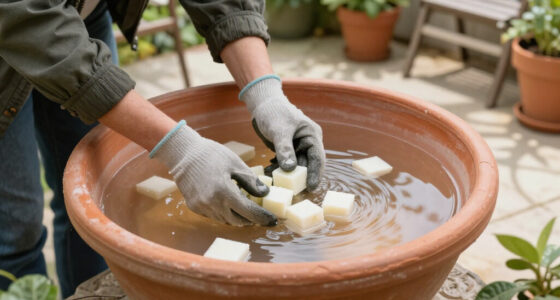
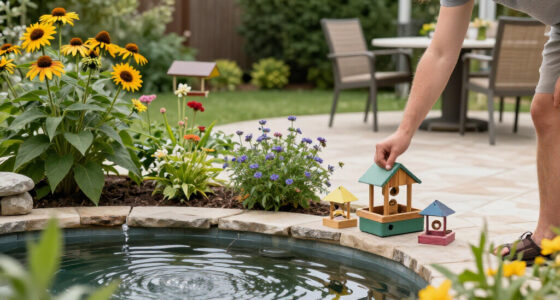
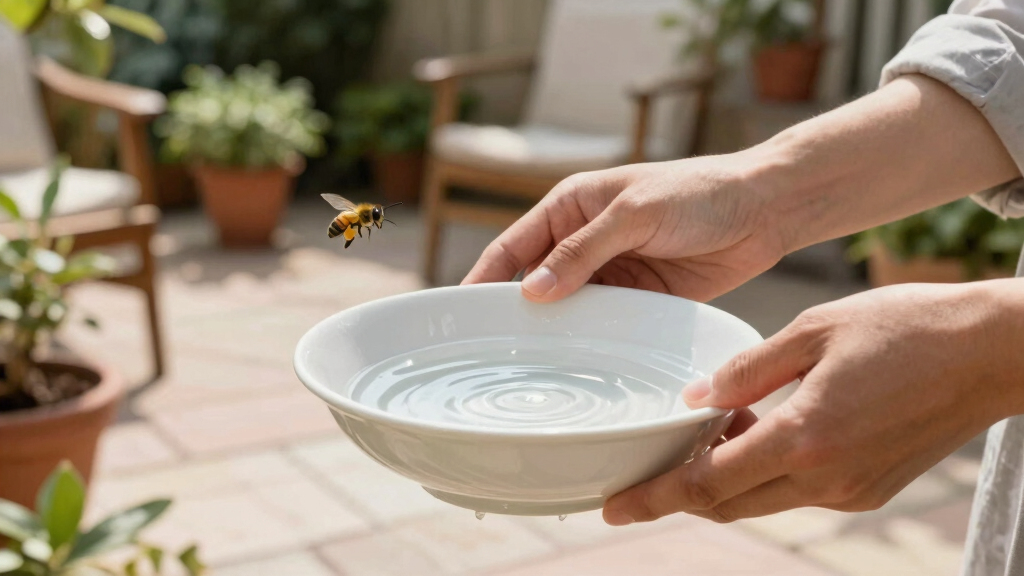
Gardening experts are urging homeowners and gardeners to help bees survive the summer heat by placing a simple, shallow saucer filled with water and pebbles in their gardens. This quick, low-cost action can provide essential hydration for pollinators during periods of high temperatures, potentially saving their lives during heatwaves. The advice comes as rising temperatures threaten bee populations worldwide, emphasizing the importance of accessible water sources for pollinators.

Get pool and patio gear delivered free with Prime
- Fast, free delivery on millions of items
- Prime Video, Amazon Music and more included
- Member-only deals all year
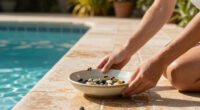
According to entomologists and gardening specialists, placing a shallow saucer with water and small stones or pebbles can create a safe drinking spot for bees and other pollinators. The stones prevent bees from drowning by providing a landing platform, while the water offers hydration during hot days.
This method requires only a few minutes to set up and can be implemented in any garden, balcony, or outdoor space. Experts note that during heatwaves, bees become dehydrated, which impacts their ability to forage and pollinate effectively. Providing water sources can help sustain local bee populations and support broader ecosystem health.
Environmental organizations and gardening groups are promoting this simple intervention as part of broader efforts to mitigate the effects of climate change on pollinators.
Why Supporting Bees During Heatwaves Is Critical
Supporting bees during extreme heat is vital because dehydration can lead to increased mortality rates among pollinators, which are essential for pollinating crops and wild plants. Declines in bee populations threaten food security and biodiversity. The simplicity of this method makes it accessible to many, offering an immediate way to contribute to pollinator health during challenging weather conditions.
Products Worth Considering

Hisense E6 Cinema Series 55-Inch 4K UHD QLED Smart Fire TV

Dyson Ball Allergy Upright Vacuum

Shark Pet Cordless Stick Vacuum IX141
As an affiliate, we earn on qualifying purchases.
Rising Temperatures and Threats to Pollinators
Climate scientists have documented an increase in the frequency and intensity of heatwaves globally, which adversely affects bee populations. Previous studies have shown that high temperatures can impair bees’ ability to forage and survive. Conservation efforts increasingly focus on providing resources like water and shelter to mitigate these impacts.
This advice builds on prior recommendations for creating bee-friendly environments, emphasizing quick and easy actions that individuals can take during summer months.
“A simple saucer with water and stones can be a lifesaver for bees during heatwaves, helping them stay hydrated and healthy.”
— Dr. Emily Carter, entomologist
Unanswered Questions About Long-Term Effectiveness
While the method is widely recommended, it is not yet clear how much it can impact bee survival rates during prolonged or extreme heatwaves. The effectiveness may vary based on local conditions, bee species, and availability of other resources.
Research is ongoing to quantify the benefits and determine best practices for widespread adoption.
Next Steps for Public Engagement and Research
Environmental groups and local authorities are expected to promote this simple intervention during upcoming heatwaves. Further studies will evaluate the impact of such measures on bee populations over time. Additionally, advocacy for broader habitat improvements continues to be a priority for pollinator conservation efforts.
Key Questions
How do I set up a bee-friendly water station?
Place a shallow dish or saucer filled with clean water and add small stones or pebbles. Ensure the water level is low enough that bees can land safely without drowning. Refresh the water regularly during hot days.
Is this method safe for all pollinators?
Yes, providing shallow water with landing spots benefits a variety of pollinators, including bees, butterflies, and other insects that need hydration during heatwaves.
Can this help during prolonged heatwaves?
It can provide immediate relief, but its long-term effectiveness depends on other factors like habitat availability and climate conditions. It should be part of a broader conservation strategy.
Are there other ways to help bees during summer?
Yes, planting native flowering plants, avoiding pesticides, and providing shelter are additional measures to support bee health during hot weather.
Source: rss