
TL;DR
A Laidback Gardener report published Oct. 4 describes how returning hawks and other birds of prey are appearing in urban and suburban gardens. Canada’s birds-of-prey population index rose about 35% from 1970 to 2022, but research cited in the report found anticoagulant exposure in many examined raptors in Ontario and British Columbia.
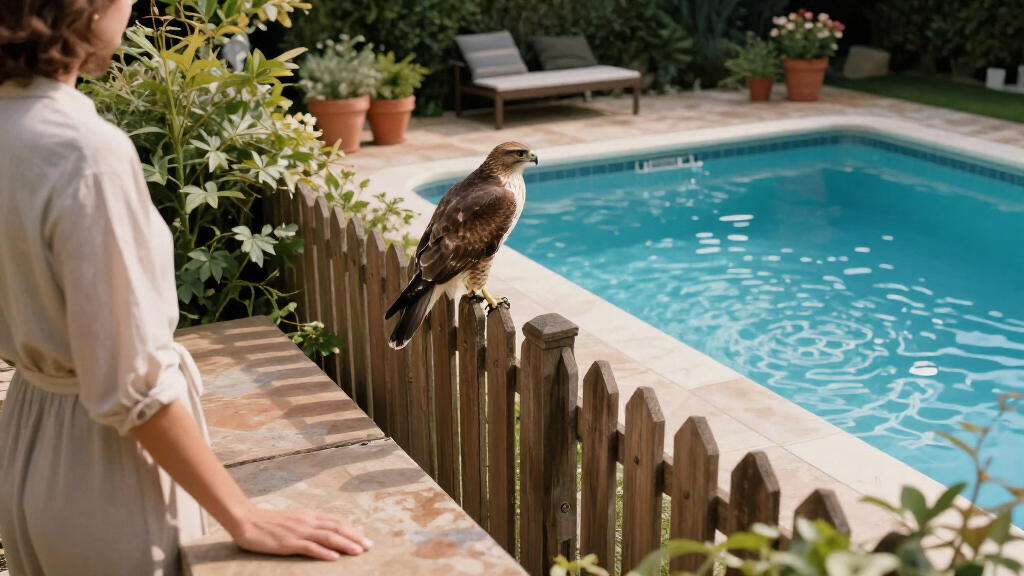
The report describes a familiar garden scene: small birds gathering at feeders suddenly scatter when a hawk circles overhead. It identifies the Cooper’s hawk as one possible visitor and says urban raptors can also use buildings, bridges and towers as nesting or hunting habitat. Hawks and owls may find prey around gardens, vacant lots, wooded areas and open spaces.

Get pool and patio gear delivered free with Prime
- Fast, free delivery on millions of items
- Prime Video, Amazon Music and more included
- Member-only deals all year
The recovery follows severe declines linked in part to DDT and other organochlorine pesticides. The report says DDT persisted in the environment and accumulated through food webs. Its breakdown product DDE thinned eggshells in several bird species, reducing reproductive success. Canada gradually phased out uses of DDT beginning in the 1970s; species protections, nesting-site protections, captive breeding and reintroduction programs also contributed to recovery.
The report cites studies showing continuing exposure to anticoagulant rodenticides. In southern Ontario, researchers detected the substances in 62% of 133 dead or injured raptors examined. In British Columbia, 74% of 741 birds studied had been exposed to at least one second-generation anticoagulant. These figures describe the birds examined in those studies, not all raptors in either province.
Raptors Reflect Garden Food Webs
A hawk or owl over a garden is part of a food web that includes prey, plants and organisms gardeners may not welcome. The report argues that attracting birds while removing caterpillars, insects, rodents and other prey can undermine the same ecological network that supports predators. A predator’s presence does not prove an ecosystem is healthy, but it can show that food and habitat are available locally.
The issue also has practical consequences for household pest control. Rodenticides can expose predators through contaminated prey, while broad pesticide use can affect organisms beyond the target. Removing prey may also reduce food available to wildlife. The report recommends considering whether treatment is needed and how much damage a pest is causing before using chemicals; it says waiting and tolerating limited garden damage can sometimes leave more room for natural interactions.
Products Worth Considering

Sonos Era 100 SL Compact Microphone-Free Speaker, Black

Roborock Qrevo 2 Pro Robot Vacuum and Mop with 20,000 Pa Suction

Philips Hue Bridge Pro Starter Kit with 4 A19 E26 Color Smart Bulbs
As an affiliate, we earn on qualifying purchases.
From DDT Declines to Recovery
In the mid-20th century, peregrine falcons, bald eagles, ospreys and other raptors were affected by persistent pesticides. The report says peregrine falcons had essentially disappeared from eastern and southeastern Canada by the mid-1970s. Restrictions on DDT, alongside conservation measures, helped reverse some of those declines over time.
The report places garden choices within that longer history, but also points to a 2026 amendment to Canada’s Pest Control Products Act. It says the changes allow factors such as economic and food security to be considered and that, in certain exceptional circumstances, a pesticide may be authorized or its registration reinstated despite an environmental risk deemed unacceptable. The article also notes that pesticide rules and environmental protections outside Canada may affect shared ecosystems because birds migrate across borders.
““We want to attract birds to our gardens, but we’re sometimes less pleased when a predator comes along to eat the birds we’ve attracted.””
— Laidback Gardener report, published Oct. 4, 2026
Exposure Data Have Limits
The cited rodenticide findings concern specific groups of raptors that were collected and examined; they do not establish the prevalence of exposure across all birds of prey in Ontario or British Columbia. The report does not provide study dates, detailed methods or species-by-species results for those figures, so those details cannot be assessed here.
It also does not specify how much of the reported national population-index increase reflects particular species, regions or causes. The 35% figure indicates an overall index change across 1970–2022, not that every raptor species increased by that amount. The report does not describe the implementation details or likely effects of the 2026 pesticide-law changes, nor does it identify a specific next policy decision.
Garden Choices and Policy Ahead
For readers, the immediate next step described in the report is to review pest problems before treating: consider whether damage is substantial, whether a nonchemical response is possible and which wildlife may depend on the affected organisms. The report also encourages leaving some fallen leaves and tolerating limited insect activity, rather than trying to remove every imperfection from a garden.
At the policy level, pesticide decisions under the amended federal law will shape how environmental risks are weighed against other factors. The report does not provide a timetable for future regulatory decisions. Monitoring raptor populations and exposure, along with further details on how the 2026 changes are applied, would help clarify how recovery gains and pesticide risks are developing.
Key Questions
Why are birds of prey appearing in gardens?
According to the report, raptors may hunt small birds and rodents found near feeders, open spaces, wooded areas and vacant lots. Some, including peregrine falcons, can use buildings, bridges and towers as nesting sites.
Have Canada’s birds of prey recovered?
The report says Canada’s birds-of-prey population index increased about 35% from 1970 to 2022. That overall index does not mean every species or region experienced the same change, and the report says recovery does not show that all ecosystem risks have ended.
How can rodenticides affect hawks and owls?
Raptors can be exposed when they eat poisoned prey. The report cites research finding anticoagulants in 62% of 133 dead or injured raptors examined in southern Ontario and exposure to at least one second-generation anticoagulant in 74% of 741 birds studied in British Columbia.
Should gardeners stop using all pest-control products?
The report does not call for a blanket ban on every product. It advises asking whether treatment is needed, how serious the damage is and what animals depend on the target species before applying pesticides or rodenticides.
Source: rss