
Choosing a pool pump based only on price or brand can haunt you for a decade, as it might lead to high energy costs and poor water circulation. An inefficient pump can spike your electric bills and require frequent repairs, costing you more in the long run. To avoid this mistake, consider energy efficiency, proper size, and long-term savings. Keep going; you’ll discover how to pick the right pump for lasting performance.
Key Takeaways
- Choosing a pump based solely on price or brand, ignoring energy efficiency and long-term costs.
- Focusing on initial savings instead of evaluating the pump’s long-term energy consumption.
- Overlooking proper sizing and flow rate, leading to inefficient circulation and higher operational costs.
- Neglecting to conduct a thorough cost analysis, including electricity bills over the pump’s lifespan.
- Buying a pump that doesn’t match the pool’s circulation needs, causing premature wear and increased maintenance expenses.
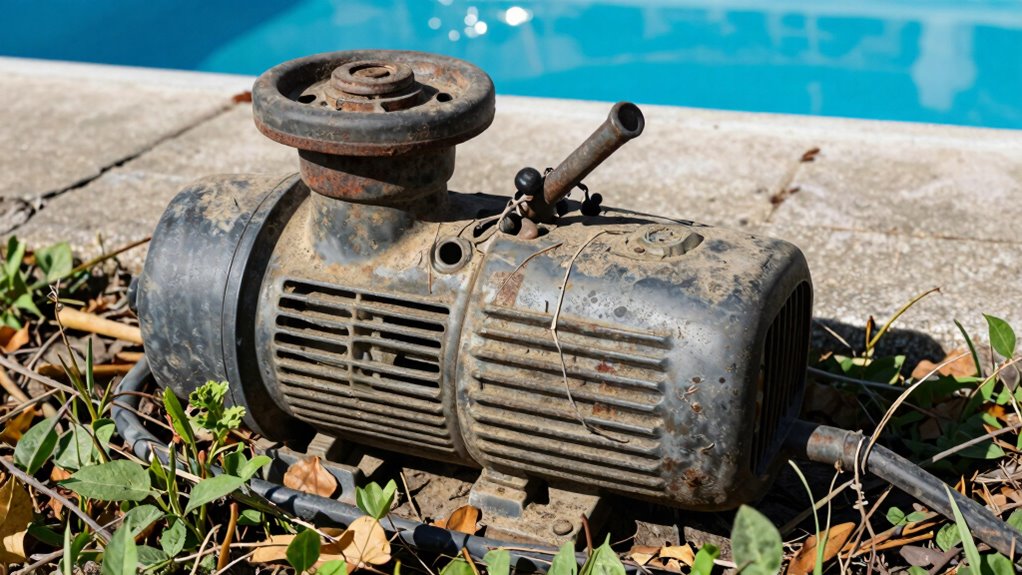
Choosing the wrong pool pump can lead to costly energy bills and inadequate circulation, but many pool owners make this mistake without realizing it. When shopping for a pump, it’s tempting to focus solely on price or brand reputation. However, overlooking how energy-efficient the pump is can have long-lasting consequences. A less efficient pump might seem like a good deal upfront, but over the years, your energy costs will add up, making it a poor investment. If you neglect to conduct a thorough cost analysis before purchasing, you could end up paying substantially more in electricity bills down the line.
Choosing the right pool pump saves money and ensures proper water circulation for years to come.
Energy efficiency should be at the forefront of your list because it directly impacts your monthly expenses. A pump with a high energy efficiency rating consumes less power while maintaining ideal water circulation. This means you get cleaner water with less strain on your electric bill. When evaluating options, don’t just compare purchase prices—look at the long-term savings. An energy-efficient pump might cost more initially, but the reduction in electricity costs over its lifespan often outweighs the difference. To make a wise choice, you need to contemplate the pump’s flow rate and horsepower relative to your pool size, ensuring you don’t overspend on a powerful pump that you don’t need or buy a less capable one that struggles to circulate water properly.
A proper cost analysis involves calculating how much each pump will cost you in energy consumption over time. Check the wattage, and estimate your monthly electricity expenses based on your local rates. Then compare these figures across different models. This way, you’ll see which pump offers the best balance between upfront investment and ongoing savings. Additionally, understanding electricity consumption and how different pumps impact your energy bill can help you make smarter choices. Being aware of energy efficiency ratings can guide you toward more sustainable and cost-effective options, saving money in the long run. It’s also helpful to consider the pump’s durability and maintenance costs, which are vital components of the overall cost analysis to ensure you make a fully informed decision.
As an affiliate, we earn on qualifying purchases.
Frequently Asked Questions
How Often Should I Service My Pool Pump?
You should service your pool pump every 3 to 6 months for reliable pool maintenance. Regular checks help prevent equipment breakdowns and guarantee efficient operation. During servicing, clean or replace filters, inspect for leaks, and tighten connections. If you notice unusual noises or reduced flow, consider equipment upgrades to improve performance. Staying proactive with maintenance not only extends your pump’s lifespan but also keeps your pool crystal clear and inviting.
What Energy-Saving Features Should I Look For?
Looking for energy-efficient features? You should prioritize pool pumps with energy-efficient motors and variable speed settings. These features considerably slash your electricity bills by optimizing flow and reducing power consumption. Variable speed pumps allow you to customize operation based on your pool’s needs, which saves energy and extends equipment life. Keep an eye out for these innovative features to guarantee your pool stays pristine without draining your wallet.
Can I Install a Pool Pump Myself?
Yes, you can install a pool pump yourself if you’re comfortable with DIY projects and have basic plumbing skills. Just make sure to follow the pool equipment manufacturer’s instructions carefully and turn off the power before starting. Proper DIY installation saves you money, but guarantee you understand the process to avoid damaging the pump or creating safety hazards. If unsure, consulting a professional is always a good idea.
Are Warranties Worth the Extra Cost?
Warranties are worth the extra cost because they save you money on repairs and replacement if your pool pump encounters issues. While warranty costs add upfront, they often reduce your maintenance frequency and unexpected expenses over time. Plus, having coverage gives you peace of mind, knowing you’re protected. Investing in a warranty can be a smart move, especially for long-term reliability and avoiding costly repairs down the line.
How Does Pump Size Affect Water Quality?
Proper pump size profoundly impacts water quality and pool maintenance. A too-small pump struggles to circulate water efficiently, leading to stagnant spots and algae buildup. Conversely, a too-large pump wastes energy and causes over-filtration. Choosing the right-sized pump enhances pump efficiency, ensuring clean, clear water. When you select the right size, you promote pristine pool conditions, simplify maintenance, and prevent long-term problems, making your swimming experience safer and more enjoyable.
As an affiliate, we earn on qualifying purchases.
Conclusion
Choosing the wrong pool pump can lead to wasted money, ongoing frustration, and endless maintenance. It can drain your energy, drain your patience, and drain your wallet—all for a pump that’s ill-suited for your pool. Don’t rush your decision; don’t overlook important features; don’t ignore expert advice. Make a thoughtful, informed choice, and guarantee your pool stays clean, efficient, and trouble-free for years to come. Your future self will thank you for it.
As an affiliate, we earn on qualifying purchases.
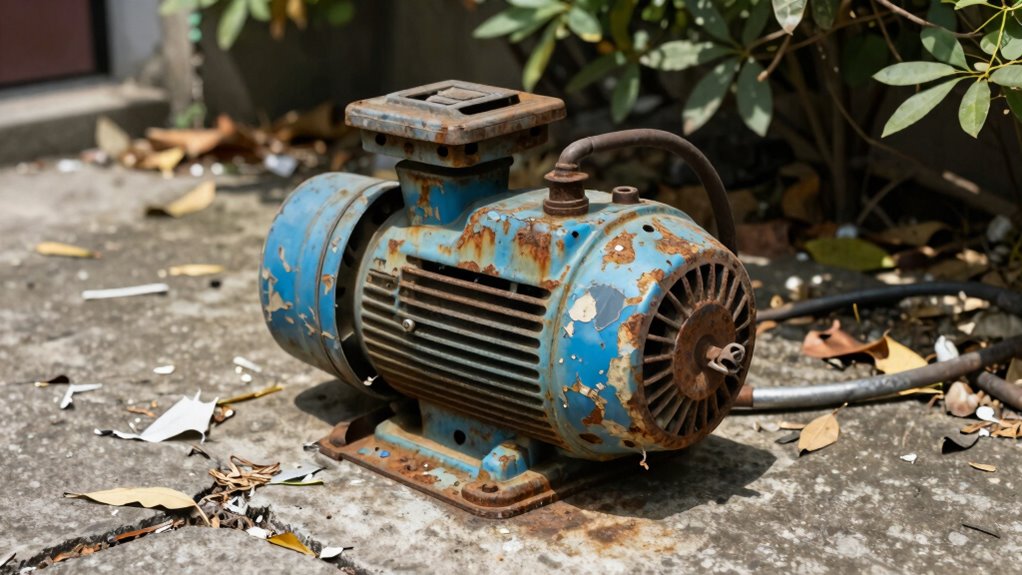
pool pump with high energy efficiency rating
As an affiliate, we earn on qualifying purchases.
As an affiliate, we earn on qualifying purchases.