TL;DR

Get pool and patio gear delivered free with Prime
- Fast, free delivery on millions of items
- Prime Video, Amazon Music and more included
- Member-only deals all year
A Planet Natural report says late-season powdery mildew calls for different responses depending on whether a plant is still productive, finished for the year or a returning perennial. It advises against automatic spraying, recommends removing spent or badly affected plants when appropriate, and notes that cleanup can reduce carryover but cannot prevent spores from arriving next season.
A Planet Natural report on late-season powdery mildew advises gardeners to decide whether to treat or remove an affected plant based on its remaining usefulness, rather than spraying automatically. It distinguishes between a still-producing crop, a finished annual and a perennial expected to return, and says cleanup can reduce diseased material but cannot guarantee the problem will be absent next year.
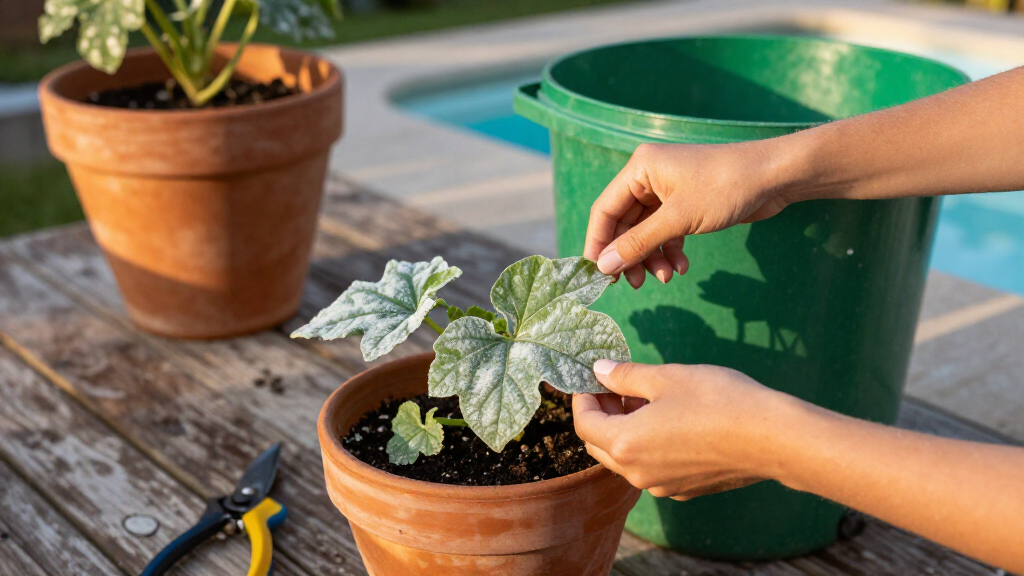
Powdery mildew usually appears as a white to gray, powdery coating on leaves, stems, flowers or fruit. The report cautions that pale patches can have other causes, including downy mildew, insect damage, natural leaf aging and spray residue. If the symptoms are unfamiliar or the plant is valuable, it recommends identifying the host and seeking local diagnostic advice before applying a product.
For a food crop that is still producing useful growth, the report suggests removing the worst affected leaves only if doing so will not strip away most of the plant’s working canopy. Gardeners can also improve airflow where appropriate and direct irrigation toward the soil. These measures manage growing conditions; they do not restore infected tissue. Fungicides are described as preventive or protective tools, not a way to erase an established coating. Any product should be labeled for the specific plant and problem, and its label and harvest intervals should be followed.
For a finished annual or a severely affected plant with little remaining value, the report favors removing the plant and collecting fallen leaves and debris over starting a late spray routine. Disposal depends on local rules and the capacity of a home compost system: many home piles may not sustain temperatures that reduce disease spores. The report recommends checking municipal green-waste or composting guidance and keeping visibly diseased material contained as it is moved.
Choosing the Right End-of-Season Response
The decision matters because spraying a plant near the end of its useful season may consume time and product without protecting much harvest or healthy growth. Conversely, removing a productive crop too early can discard food the plant could still yield. The report’s practical test is whether the plant has healthy tissue, useful production and enough season remaining to justify intervention.
Cleanup also has limits. Removing infected debris can reduce one possible source of disease carryover, but it is not a guarantee against a recurrence: spores may arrive from nearby hosts or travel on air currents, and some powdery mildew fungi can overwinter on plant material. The guidance frames sanitation as one part of next season’s prevention, alongside spacing, airflow, suitable varieties and early observation.
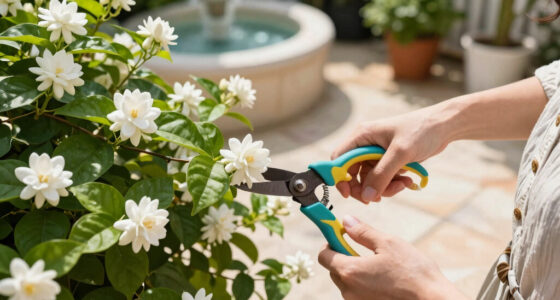
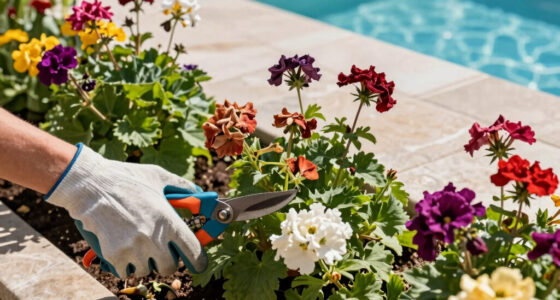
For gardeners, the distinction between annuals and perennials is especially relevant. A spent annual may be ready to remove, while an established perennial with late-season symptoms may need only selective pruning and debris collection. Treating every white-coated plant the same way risks unnecessary spraying or cutting away more healthy growth than needed.
powdery mildew fungicide for plants
As an affiliate, we earn on qualifying purchases.
As an affiliate, we earn on qualifying purchases.
Annual Crops and Returning Perennials
The report organizes its advice around what happens to the plant after the current season. A cucumber, squash vine or annual flower that has stopped producing is a different case from a crop with healthy new leaves and harvestable fruit, or a phlox, bee balm or peony that will return. This seasonal distinction—not the appearance of mildew alone—shapes whether treatment, selective removal or full cleanup makes sense.
For returning perennials, the report advises restraint: remove badly affected leaves and stems in line with the plant’s normal seasonal care, collect debris, and preserve healthy structure the plant still needs. A hard cut is not automatic. Repeated severe disease, substantial dieback or symptoms that do not fit a typical powdery coating call for closer identification. Before moving or dividing a valued perennial, the report recommends recording symptoms and seeking local advice if diagnosis could change the decision.
It also advises keeping visibly diseased debris separate from healthy leaves intended for compost or leaf mold. Gardeners should remove clinging fragments and clean soil or sap from tools before moving from a suspect plant to healthy ones. For confirmed disease or tools that have cut clearly infected tissue, follow local disinfection guidance and avoid spreading material between beds.
garden cleanup tools for diseased plants
As an affiliate, we earn on qualifying purchases.
As an affiliate, we earn on qualifying purchases.
Diagnosis and Disposal Depend on Local Conditions
The supplied report does not identify a particular garden, outbreak, region or newly issued public advisory; it provides seasonal gardening guidance. It also does not establish that every pale or powdery patch is powdery mildew. Diagnosis remains uncertain without identifying the plant and examining symptoms, and different causes may require different responses.
Whether diseased material can go into a compost or municipal green-waste stream depends on local program rules and the way the material is processed. The report does not name a single disposal method suitable everywhere. Nor can cleanup alone predict whether disease will return: spores may come from nearby hosts or arrive on air currents, and some fungi can persist on plant material.
The best course for a particular plant also depends on its condition and how much useful season remains. The supplied material gives no product names or region-specific treatment instructions. Gardeners should consult the label for any product and seek local diagnostic help where symptoms are unfamiliar or the plant is valuable.
As an affiliate, we earn on qualifying purchases.
Plan Prevention Before Symptoms Return
For plants that are finished, the immediate steps are to remove them when appropriate, collect fallen infected debris, and check local instructions before choosing a disposal route. Keep visibly diseased material contained and clean tools before working on healthy plants. For a perennial that will return, use selective cleanup suited to its normal seasonal care rather than an automatic hard cut.
For next season, the report recommends choosing resistant or tolerant varieties where available, giving plants their mature spacing, avoiding unnecessary nitrogen that can encourage lush growth, and checking inside the canopy early. These steps are intended to support airflow and earlier awareness; they do not promise to prevent disease. The report provides no scheduled follow-up or new treatment milestone, so gardeners should base decisions on the plant’s condition and local guidance as the season ends.
As an affiliate, we earn on qualifying purchases.
Key Questions
Should I spray a plant with powdery mildew at season’s end?
Not automatically. The report says to weigh whether the plant is still producing useful growth, how much healthy tissue remains and how much season is left. A fungicide may have limited value late in the disease cycle; use a product only if its label covers the exact plant and problem, and follow harvest restrictions.
Should I remove a finished cucumber or squash vine?
If it is no longer producing useful growth, the report favors removing it and collecting loose infected leaves and debris rather than starting a late spray program. Check local guidance before putting diseased material in compost or green-waste collection.
Should a perennial with mildew be cut back completely?
Not necessarily. For a returning perennial, remove badly affected leaves and stems according to its normal seasonal care, while retaining healthy structure it still needs. Seek local diagnostic help if symptoms are unusual, disease is repeatedly severe or the plant has substantial dieback.
Does cleaning up diseased leaves prevent mildew next year?
No. Cleanup can reduce one source of carryover, but the report says spores may arrive from nearby hosts or travel on air currents, and some fungi can overwinter on plant material. Spacing, airflow, suitable varieties and early observation are also part of its prevention advice.
Can I compost leaves affected by powdery mildew?
It depends on the compost system and local rules. Many home piles may not reliably reach or sustain temperatures that reduce disease spores. Check your local composting or green-waste program’s instructions, and keep visibly diseased debris separate until you know the appropriate disposal route.
Source: rss
Fall Picks
fall essentials
As an affiliate, we earn on qualifying purchases.