TL;DR

Get pool and patio gear delivered free — and shop member deals
- Fast, free delivery on millions of items
- Access to Prime Big Deal Days deals on October 6–7
- Prime Video, Amazon Music and more included
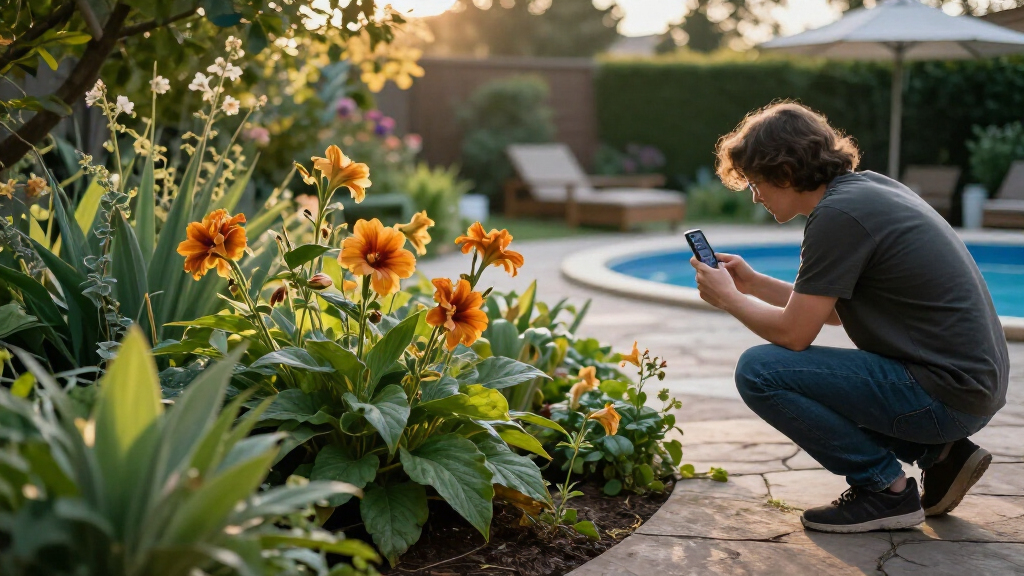
Planet Natural recommends taking 12 kinds of garden photos before fall cleanup to help gardeners record what worked and what may need attention next season. The guide suggests pairing images with brief notes and organizing them by topic; it does not report new research or measured results.
Planet Natural has published a 12-photo checklist for gardeners to document their beds, growing conditions and equipment before fall cleanup removes the season’s visible clues. The report says the images can help with next year’s planting and repair decisions, though it presents practical advice rather than research findings.
The checklist starts with wide views: one from a regular entrance and another from the garden’s highest practical vantage point. It then recommends photographing the same areas in morning shade and during stronger afternoon light. These views can help gardeners recall how light shifts and assess paths, bed shapes and planting locations.
Other suggested images record bare or unfinished spaces, overcrowded plants, irrigation hardware, runoff or dry soil, pest and disease symptoms, plant supports, successful plant combinations and harvests with a familiar object for scale. For symptoms, the report advises taking both a close-up and a wider image that shows the affected plant or bed.
Planet Natural recommends adding a short, specific note to useful photos, such as where a drip line leaks or when tomatoes fall into shade. It also proposes five numbered folders for sun and views; layout and planting; water and soil; pests and plant health; and supports, performance and harvest. The report advises making observations without treating them as diagnoses: a yellow leaf, for example, does not by itself establish that a plant needs fertilizer.
Photos Can Preserve Seasonal Clues
The checklist addresses a practical planning problem: once plants are removed and beds change, light patterns, crowded growth and irrigation problems can be harder to recall. A photo record may help gardeners connect next year’s choices to what they observed this season, including where a plant struggled or a support failed.
Notes and location context matter because an image alone may not explain what caused a problem. The report recommends recording where and when an image was taken and, when seeking help with a possible pest or disease issue, keeping both close and wider views alongside details such as sun exposure and recent care. These records can guide questions and planning, but they do not establish a diagnosis or prove why a plant performed as it did.
A Seasonal Record for Gardeners
The source frames fall cleanup as a point when gardeners may lose visible evidence of how beds performed. It gives examples such as a crowded corner being remembered as sunny or an irrigation leak being forgotten by spring. Its proposed response is a quick photo walk before removing plants or taking down supports.
The guide says gardeners can use a phone and do not need to edit or sort images during the walk. It recommends taking wide images before close-ups and making separate passes for morning and afternoon light. Location tagging is optional, and the report advises using it only if gardeners are comfortable storing that information in their photo library.
What Photos Cannot Establish
The report does not provide study data showing that the checklist improves yields, reduces costs or leads to better garden outcomes. It also does not prescribe a single remedy for photographed problems: a symptom or wet spot may need further investigation before a gardener decides what to change. The source gives no publication date, and it is unclear whether Planet Natural plans follow-up material or updates to the guide.
Use the Record Before Planting
The guide’s next step for readers is to make the photo walk before cleanup, back up the images and add brief notes to the ones that will inform decisions. Gardeners can then review the folders while planning bed changes, plant spacing, water repairs and support needs. The report sets no formal deadline or later milestone; its advice is to use the record when preparing for the next growing season.
Key Questions
What should gardeners photograph before fall cleanup?
The checklist covers entrance and overhead views, morning and afternoon light, gaps, crowded plants, irrigation, runoff or dry soil, pest or disease symptoms, supports, successful combinations and harvests with an object for scale.
Why take photos at different times of day?
Planet Natural says a single image cannot show how light moves through a garden. It recommends recording morning shade and returning during the strongest afternoon light.
Should a close-up be enough to document a plant problem?
The report recommends pairing a close-up with an image of the whole plant or bed. It also suggests noting sun exposure and recent care if the gardener may seek help identifying the issue.
Do the photos diagnose plant problems?
No. The guide describes images as a record for planning and investigation. It cautions that a visible symptom, such as a yellow leaf, does not by itself confirm its cause.
How does Planet Natural suggest organizing the images?
It proposes a year-labeled “Fall Garden Audit” folder with five numbered folders for sun and views; layout and planting; water and soil; pests and plant health; and supports, performance and harvest.
Source: rss
Fall Picks
fall essentials
As an affiliate, we earn on qualifying purchases.