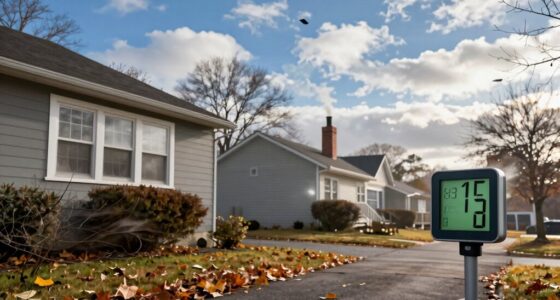
To match your pool heater to your usage, consider how often and when you swim. If you swim frequently or host pool parties, a gas or electric heater offers quick warmth and high capacity. For occasional or seasonal use, solar heaters are cost-effective and energy-efficient, but weather and climate can affect their performance. Understanding your local climate and your frequency of pool use helps you choose the best option. Continue to explore these factors for a perfect fit.

Get pool and patio gear delivered free — and shop member deals
- Fast, free delivery on millions of items
- Access to Prime Big Deal Days deals on October 6–7
- Prime Video, Amazon Music and more included
Key Takeaways
- Assess swimming frequency and seasonal use to determine if solar, electric, or gas heaters best suit your needs.
- Consider climate and weather patterns to select a heater that maintains efficiency year-round.
- Match heater capacity with pool usage volume for quick heating and consistent comfort.
- Weigh initial costs against ongoing expenses to find a cost-effective heating solution.
- Opt for low-maintenance options like heat pumps if you prioritize minimal upkeep with regular use.
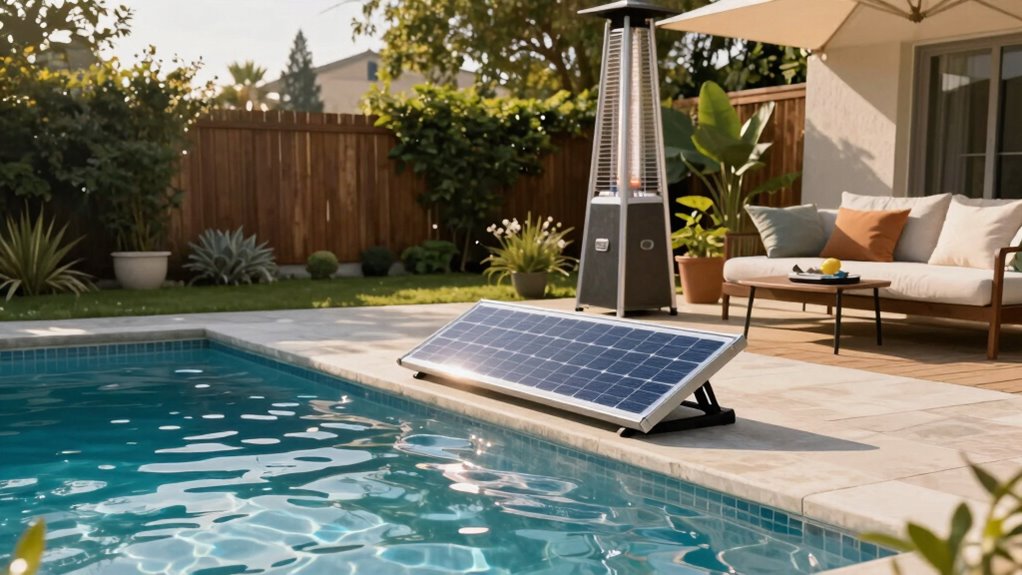
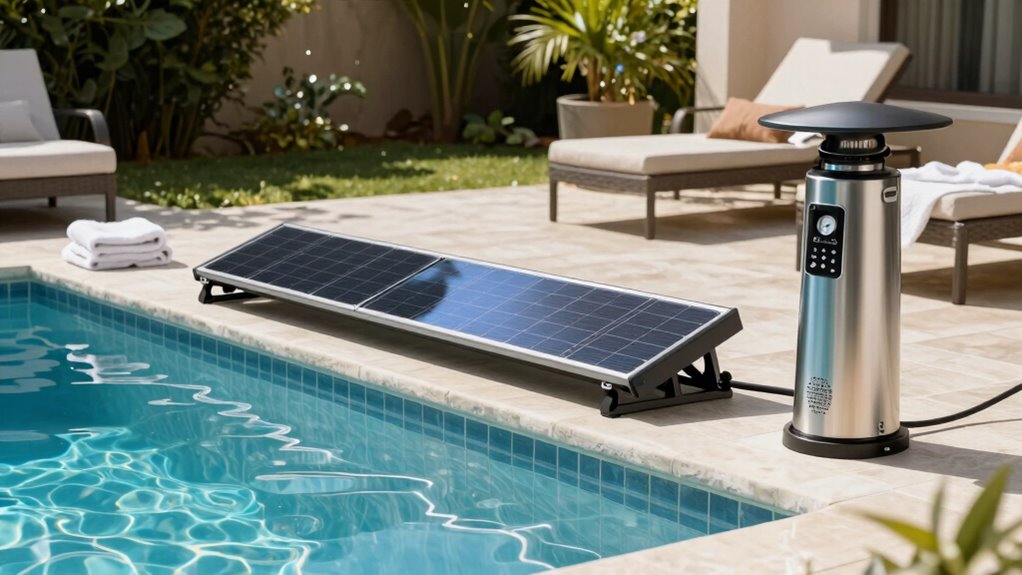
Choosing the right pool heater can greatly enhance your swimming experience, but with so many options available, it’s easy to get overwhelmed. To make the best choice, you need to consider how often you swim, your climate, and your budget. One essential factor is solar efficiency, which determines how effectively a heater uses sunlight to warm your pool. If you live in a sunny area and plan to swim frequently during warm months, a solar heater might be ideal. Solar heaters are energy-efficient, leveraging free sunlight to heat your pool, which can markedly reduce operating costs over time. However, keep in mind that their efficiency depends on your location and weather patterns, so during cloudy or cooler seasons, their performance may decline.
Another important aspect is the maintenance requirements of different heater types. Electric heat pumps, for example, generally demand less maintenance compared to gas heaters, which involve more frequent inspections and parts replacements due to their combustion process. If you prefer a low-maintenance solution, a heat pump could be the right fit, especially if you use your pool regularly but want to avoid frequent upkeep. Gas heaters, while quick to heat your pool and effective in colder weather, require a steady supply of fuel and routine inspections to ensure safety and efficiency. Understanding the differences can help you weigh the ongoing costs and benefits of each type. Additionally, considering the climate impact on heater performance can help you choose a more reliable option based on your local weather conditions. Being aware of heater efficiency can also guide you toward models that offer better performance relative to their energy consumption. Knowing how seasonal variations affect heater function can further refine your choice, ensuring your pool remains comfortable year-round.
Your pool use habits play a key role in selecting the heater type. If you swim daily or host frequent pool parties, investing in a high-capacity gas or electric heater might be more practical, as they can quickly bring your pool to the desired temperature. Conversely, if you only use your pool sporadically or during warmer months, a solar heater could suffice, offering cost-effective heating with minimal ongoing expenses. Moreover, understanding the initial costs versus long-term savings** can help you make a more informed decision aligned with your financial priorities**. Ultimately, matching your pool heater to your actual use — whether that means prioritizing solar efficiency or ease of maintenance — ensures you enjoy a warm, inviting pool without unnecessary expense or hassle.
As an affiliate, we earn on qualifying purchases.
Frequently Asked Questions
What Is the Average Lifespan of Different Pool Heaters?
The average lifespan of pool heaters varies by type: gas heaters last about 8-12 years, electric heat pumps around 10-15 years, and solar heaters up to 20 years. When doing a pool heater comparison, consider lifespan factors like maintenance, usage frequency, and quality. Proper care can extend your heater’s life, so choose a reliable model suited to your pool’s needs for long-lasting warmth and efficiency.
How Much Energy Do Various Pool Heaters Consume?
Think of pool heaters as different-sized light bulbs; some gulp energy like a floodlight, while others sip like a nightlight. Gas heaters tend to consume more energy, making them less efficient, whereas solar and heat pumps offer better pool heater efficiency, reducing your energy costs. An energy cost comparison shows solar options often save you the most, especially for frequent use, while electric models might spike your electricity bills.
Are There Eco-Friendly Pool Heating Options Available?
Yes, eco-friendly pool heating options are available. You can consider solar heating, which uses sunlight to warm your pool and reduces energy bills. Geothermal options tap into the earth’s natural heat, providing a sustainable and efficient way to maintain your pool temperature. Both methods are environmentally friendly, cost-effective over time, and perfect if you’re looking to minimize your carbon footprint while enjoying a warm pool.
How Often Should I Service My Pool Heater?
You should service your pool heater at least once a year, especially before the swimming season begins. Neglecting seasonal heater maintenance can lead to costly repairs and inefficiencies. Pool cover benefits highlight how they retain heat, but regular servicing guarantees your heater runs smoothly. Don’t wait until problems arise—schedule a professional inspection now, and you’ll enjoy a warmer, more efficient pool all season long.
Can I Install a Pool Heater Myself or Hire a Professional?
You can attempt a DIY installation if you have experience with plumbing and electrical work, but for safety and proper function, hiring a professional is recommended. Professional installation guarantees your pool heater is correctly set up, complies with local codes, and operates efficiently. If you’re unsure about your skills, it’s best to invest in expert help to avoid costly mistakes and ensure long-term reliability of your pool heating system.
As an affiliate, we earn on qualifying purchases.
Conclusion
Choosing the right heater isn’t just about warmth; it’s about creating the perfect oasis tailored to your lifestyle. Imagine a cozy evening swim, the water just right, or a spontaneous dip on a chilly morning—your heater matches your needs, transforming your pool into a year-round escape. When you select wisely, every splash feels more inviting, and your backyard becomes a sanctuary where comfort and convenience meet seamlessly.
gas pool heater for cold weather
As an affiliate, we earn on qualifying purchases.
As an affiliate, we earn on qualifying purchases.
As an affiliate, we earn on qualifying purchases.
Fall Picks
fall essentials
As an affiliate, we earn on qualifying purchases.