
Head loss is often behind equipment issues because it increases resistance in your fluid system, causing pumps to work harder and wear out faster. It can lead to inaccurate flow measurements, pressure drops, and pipe scaling, which all contribute to reduced efficiency and potential failures. When head loss isn’t managed, your system faces higher energy costs and breakdown risks. Keep exploring to discover how you can prevent these problems and keep your equipment running smoothly.

Get pool and patio gear delivered free — and shop member deals
- Fast, free delivery on millions of items
- Access to Prime Big Deal Days deals on October 6–7
- Prime Video, Amazon Music and more included
Key Takeaways
- Head loss increases pressure requirements, causing pumps and equipment to work harder, leading to wear and potential failure.
- Elevated head loss causes flow measurement inaccuracies, resulting in improper system adjustments and inefficiencies.
- Pipe scaling and resistance buildup raise head loss, forcing equipment to operate under stressful conditions.
- Higher head loss accelerates equipment fatigue and reduces lifespan due to increased mechanical strain.
- Managing head loss through proper maintenance prevents equipment breakdowns and maintains optimal system performance.

Head loss is a vital factor that can lead to equipment problems in fluid systems, often causing decreased efficiency and increased wear. When fluid encounters resistance as it moves through pipes, head loss occurs, which means more energy is needed to maintain flow. This resistance can stem from several factors, but two common contributors are flow measurement issues and pipe scaling. Understanding how these elements influence head loss helps you prevent equipment failures and maximize system performance.
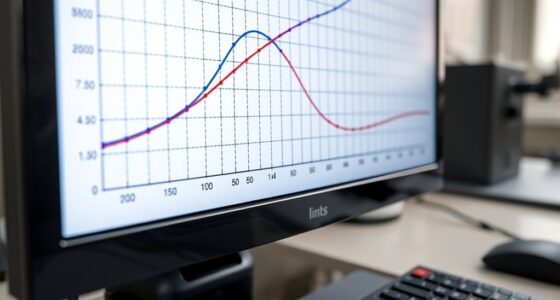
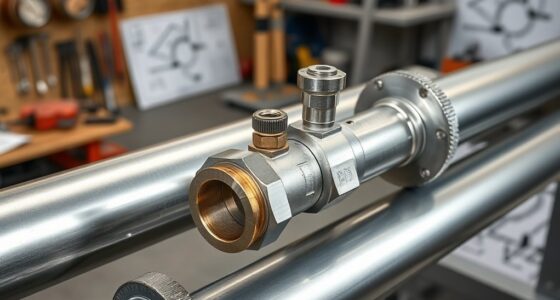
Flow measurement devices, like flow meters, are indispensable for monitoring fluid movement. However, if these devices are inaccurate or poorly calibrated, they can lead to incorrect assumptions about flow rates. When flow measurement isn’t precise, you might unknowingly operate pumps and other equipment under conditions that cause excessive head loss. For example, if a flow meter underestimates flow, you could overcompensate with increased pump pressure, which increases head loss and stresses the system. Conversely, overestimating flow can result in insufficient pressure, leading to inadequate system performance. Accurate flow measurement allows you to maintain ideal flow rates, reducing unnecessary head loss and preventing equipment strain. Regular calibration and proper instrument selection are essential for maintaining measurement accuracy. Proper maintenance of flow measurement devices is crucial to ensure consistent performance. Additionally, employing advanced diagnostic tools can help detect inaccuracies early before they impact system operation.
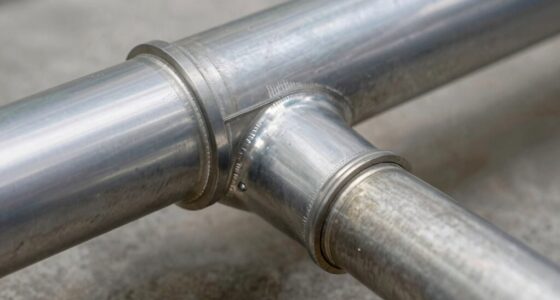
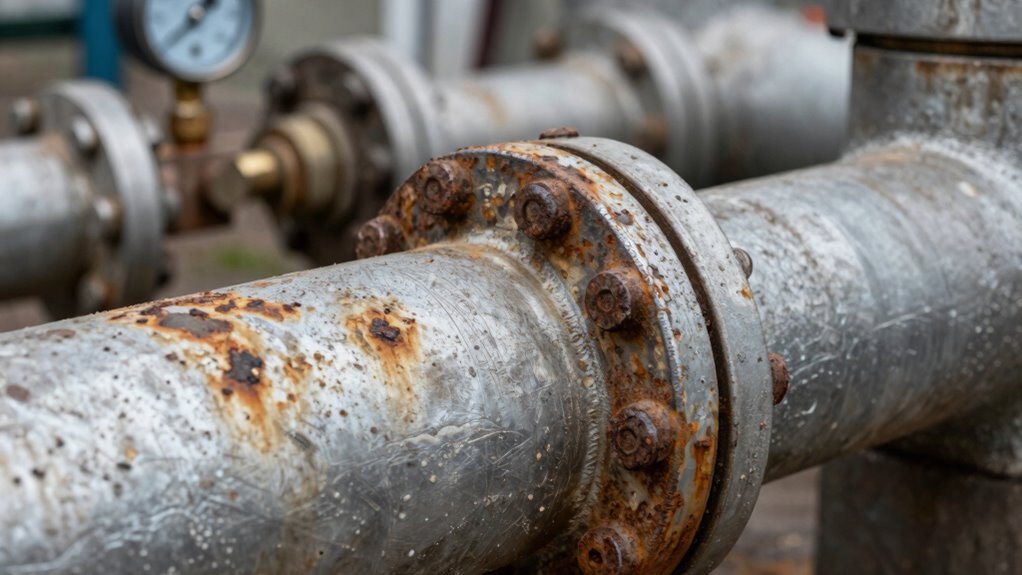
Pipe scaling presents another significant challenge. Over time, minerals and other deposits build up on the interior surfaces of pipes, creating rougher surfaces that increase resistance to flow. This phenomenon, known as pipe scaling, directly contributes to head loss. As scales accumulate, the effective cross-sectional area of the pipe decreases, forcing the fluid to accelerate and generating more pressure drop. This increase in head loss means your pumps must work harder, consuming more energy and putting additional wear on mechanical components. Over time, excessive scaling can lead to clogging, frequent maintenance, or even complete system failure if left unchecked. Implementing descaling methods can effectively reduce buildup and restore pipe smoothness.
Both flow measurement inaccuracies and pipe scaling elevate head loss, which in turn causes equipment problems. Pumps may operate under higher pressures than designed, leading to overheating or premature failure. Valves and other control devices might experience increased wear due to fluctuating pressure conditions, and overall system efficiency drops. Maintaining proper flow measurement is vital—regular calibration and selecting the right instruments can help you keep flow data accurate. Simultaneously, implementing effective scaling prevention and removal strategies, such as water treatment or pipe descaling, ensures the internal surfaces stay smooth and resistance remains low.
In essence, managing head loss by addressing flow measurement errors and pipe scaling not only extends equipment lifespan but also enhances system efficiency. When you stay proactive about these issues, you prevent the cascade of problems caused by high resistance in fluid systems, saving time and money in the long run. Additionally, monitoring system performance regularly can help detect early signs of head loss and prevent costly repairs. Keeping an eye on fluid flow conditions is also essential for early detection of potential issues before they escalate.
As an affiliate, we earn on qualifying purchases.
Frequently Asked Questions
How Can Head Loss Be Minimized in Piping Systems?
To minimize head loss in piping systems, you should reduce flow velocity and select pipes with smoother surfaces. Lowering flow velocity decreases friction, while choosing pipes with less roughness minimizes turbulence. Regularly inspecting and maintaining pipe conditions also helps. Use properly sized pipes to avoid unnecessary pressure drops, and avoid sharp bends or fittings that increase turbulence, ensuring efficient flow and reducing head loss throughout your system.
What Are Common Signs of Head Loss in Equipment?
You’ll notice signs of head loss when equipment experiences reduced flow rates, increased energy consumption, or noise and vibration. Changes in fluid viscosity or pipe roughness can exacerbate these issues, making it harder for fluid to flow efficiently. If you see pressure drops or equipment struggling to operate normally, it’s likely due to head loss. Monitoring these signs helps you identify and address problems caused by increased resistance in your system.
Does Temperature Affect Head Loss in Fluids?
Yes, temperature impact markedly affects head loss in fluids. As temperature increases, fluid viscosity decreases, making the fluid flow more easily and reducing head loss. Conversely, lower temperatures increase viscosity, which can lead to higher head loss due to greater resistance. So, maintaining proper temperature conditions helps optimize fluid flow and minimizes equipment strain caused by head loss.
Can Head Loss Cause Equipment to Overheat?
Yes, head loss can cause equipment to overheat. When head loss occurs, it leads to pressure reduction in the system, which can increase fluid viscosity and cause flow resistance. This extra resistance puts stress on equipment components, making them work harder and generating more heat. Over time, this overheating can damage equipment, reduce efficiency, and lead to costly repairs. Monitoring head loss helps prevent these issues effectively.
How Does Pipe Material Influence Head Loss?
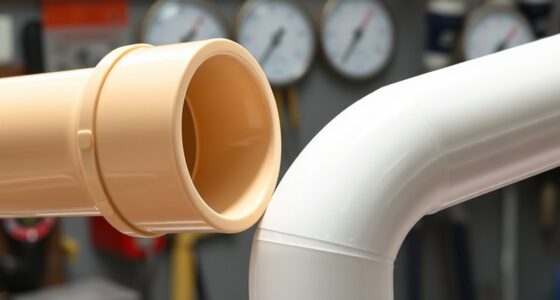
You might be surprised to learn that pipe material markedly influences head loss; rougher pipes increase resistance, raising head loss by up to 50%. When choosing materials, consider pipe roughness and durability—smooth materials like PVC reduce head loss, while rougher, durable metals can raise it. Selecting the right pipe material minimizes energy costs and equipment stress, ensuring efficient flow and prolonging equipment lifespan.
As an affiliate, we earn on qualifying purchases.
Conclusion
Understanding head loss helps you prevent equipment issues before they escalate. For instance, imagine a water pump struggling because clogged filters increase head loss, causing it to work harder and wear out faster. Regularly monitoring and managing head loss guarantees smooth operations and extends equipment lifespan. Don’t wait for costly breakdowns—stay proactive by keeping an eye on head loss, and you’ll keep your systems running efficiently and reliably.
As an affiliate, we earn on qualifying purchases.
As an affiliate, we earn on qualifying purchases.
Halloween Picks
halloween
As an affiliate, we earn on qualifying purchases.