The main mistake that leaves dead zones in your pool is poor jet placement combined with not running your pump long enough. If your jets aren’t aimed properly, they won’t reach all areas, causing stagnation. Insufficient pump hours also prevent proper circulation, allowing debris and bacteria to build up. By ensuring your jets are positioned correctly and your pump runs enough, you’ll promote better water flow. Keep going, and you’ll discover how to optimize your pool’s circulation effectively.

Get pool and patio gear delivered free — and shop member deals
- Fast, free delivery on millions of items
- Access to Prime Big Deal Days deals on October 6–7
- Prime Video, Amazon Music and more included
Key Takeaways
- Incorrectly aimed return jets fail to distribute water evenly, creating stagnant areas or dead zones.
- Running the pump for insufficient hours prevents thorough circulation throughout the pool.
- Poor filter maintenance leads to clogs, restricting water flow and causing stagnation.
- Neglecting to position jets to sweep all pool corners leaves areas with little or no movement.
- Inconsistent water flow due to ignored or improperly maintained circulation equipment fosters dead zones.

Proper pool circulation is essential for maintaining clean, healthy water, but many pool owners overlook common mistakes that can undermine this process. One of the most critical errors is neglecting to guarantee proper water flow, which can create dead zones—areas where water doesn’t circulate effectively. These stagnant spots can harbor bacteria, algae, and debris, making your pool harder to keep clean and safe. When circulation isn’t evenly distributed, chemical imbalance becomes a real risk. Without consistent movement, chemicals like chlorine don’t mix thoroughly, leading to uneven sanitizer levels and potential algae growth. This problem is often compounded by poor filter maintenance, which can restrict water flow and contribute to dead zones. If your filter isn’t regularly cleaned or replaced when necessary, it can become clogged, reducing its ability to circulate water effectively. This, in turn, causes some parts of your pool to receive less chemical treatment and filtration, creating ideal conditions for bacteria and algae to thrive. Regular filter maintenance is essential to prevent these issues and ensure consistent water flow throughout your pool. Additionally, filter efficiency can decline over time without proper care, further exacerbating circulation problems. Maintaining proper water chemistry and circulation practices also helps prevent bacterial growth, safeguarding your pool’s health.
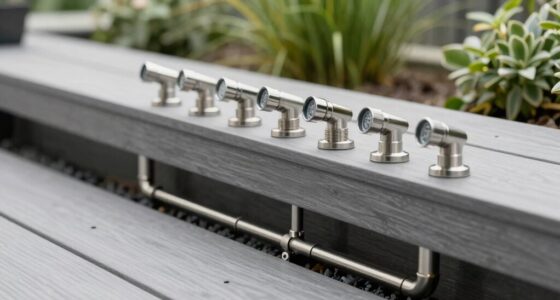
Another mistake that leads to dead zones is not positioning your return jets correctly. If the jets are aimed in the wrong direction or are too few in number, water will tend to circulate in a limited area, leaving other regions stagnant. You should adjust your jets so they create a sweeping current across the pool, ensuring water reaches all corners. Additionally, running your pump for insufficient hours each day limits the circulation cycle, allowing areas to sit idle and develop dead zones. Extending pump time and making sure it runs long enough each day is vital for thorough circulation. Regularly checking and maintaining your filter ensures it functions at peak efficiency, preventing blockages that could disrupt water flow. Remember, a well-maintained filter is the backbone of effective circulation, and neglecting it can cause uneven water movement and poor chemical mixing. Proper water flow is also crucial to prevent stagnation and promote healthy water quality. Moreover, understanding the importance of proper jet placement can significantly improve circulation efficiency and eliminate dead zones.
In essence, avoiding dead zones requires a combination of proper jet placement, adequate pump operation, and diligent filter maintenance. When these elements work together, your pool water remains balanced, clear, and safe. Ignoring these details leads to uneven chemical distribution and poor filtration, fostering stagnation and health risks. Stay proactive with your pool maintenance, and you’ll prevent those pesky dead zones from forming and compromising your swimming environment. Proper circulation isn’t just about keeping the water moving; it’s about guaranteeing every part of your pool gets treated equally, keeping your water sparkling and safe all season long.
As an affiliate, we earn on qualifying purchases.
Frequently Asked Questions
How Often Should I Adjust My Pool’s Circulation System?
You should adjust your pool’s circulation system weekly to maintain proper chemical balance and prevent dead zones. Regularly check and clean your filter to guarantee ideal flow, which helps distribute chemicals evenly. During heavy use or after storms, increase circulation time. Consistent adjustments and filter maintenance keep your water clear, safe, and balanced, reducing algae growth and preventing stagnant areas that can harbor bacteria.
What Are Signs of Poor Water Circulation in My Pool?
You’ll notice poor water circulation if you see cloudy water, uneven chemical levels, or algae growth along the edges. These signs indicate that your pool isn’t circulating water effectively, leading to chemical imbalances and algae buildup. You might also feel stagnant water or detect an unpleasant odor. Regularly check your system, clean your filters, and guarantee proper pump operation to maintain good circulation and prevent these issues.
Can Small Debris Affect Circulation and Dead Zones?
Yes, small debris can affect circulation and create dead zones. When debris buildup accumulates, it can cause circulation blockage by obstructing the flow of water through the pool’s skimmers, pumps, or filters. This prevents proper water movement, leading to stagnant areas where dead zones form. Regularly cleaning your pool and removing debris helps maintain effective circulation, ensuring all water stays fresh and evenly circulated.
How Does Pool Size Influence Circulation Strategies?
Did you know larger pools can require up to 50% more circulation effort? Your pool size directly influences circulation patterns—you’ll need different strategies for small versus big pools. Bigger pools often need multiple return jets and enhanced flow to prevent dead zones, while smaller pools may only need minimal adjustments. Adjust your circulation approach based on your pool size to guarantee even water movement and maintain crystal-clear water throughout.
Are Automatic Pool Cleaners Effective for Circulation Improvement?
Automatic cleaners can improve circulation efficiency, but they aren’t a complete solution. They help by moving debris and stirring water, reducing dead zones. However, to guarantee ideal circulation, you still need to run your pool’s pump regularly and adjust return jets. Relying solely on automatic cleaners might leave some areas stagnant, so combine them with proper pump operation and circulation strategies for the best water quality.
As an affiliate, we earn on qualifying purchases.
Conclusion
To keep your pool crystal clear and free of dead zones, you need to understand circulation better. Avoid common mistakes like poor pump placement or neglecting regular maintenance. By ensuring proper water flow, you’ll prevent stagnation and algae buildup. Trust that a well-circulated pool isn’t just about looks—it’s about health and safety. So, check your circulation system today, and enjoy a spotless, inviting pool all season long.
As an affiliate, we earn on qualifying purchases.
As an affiliate, we earn on qualifying purchases.
Halloween Picks
halloween
As an affiliate, we earn on qualifying purchases.