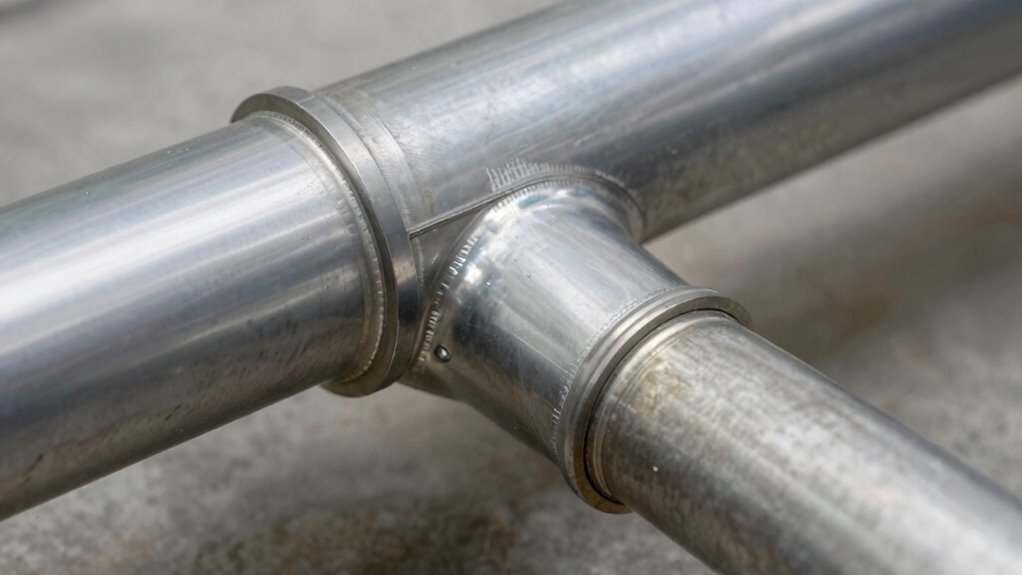

Upgrading from 1.5-inch to 2-inch plumbing can substantially boost your pump’s performance by reducing friction and allowing higher flow rates. Larger pipes lower pressure loss and help your system run more efficiently, saving energy and extending equipment life. Although the upgrade may require more space and initial investment, the long-term benefits make it worthwhile. Keep exploring to discover more tips on maximizing your pump’s potential with the right pipe size.

Get pool and patio gear delivered free — and shop member deals
- Fast, free delivery on millions of items
- Access to Prime Big Deal Days deals on October 6–7
- Prime Video, Amazon Music and more included
Key Takeaways
- Larger 2-inch pipes reduce friction and pressure loss, improving overall pump efficiency.
- Upgrading from 1.5-inch to 2-inch pipes allows higher flow rates and better water delivery.
- Proper pipe sizing minimizes strain on the pump, extending equipment lifespan.
- 2-inch pipes are ideal for systems needing increased capacity or experiencing flow restrictions.
- Installation considerations include routing, support, and insulation to maximize performance benefits.
As an affiliate, we earn on qualifying purchases.
How Pipe Size Affects Pump Performance
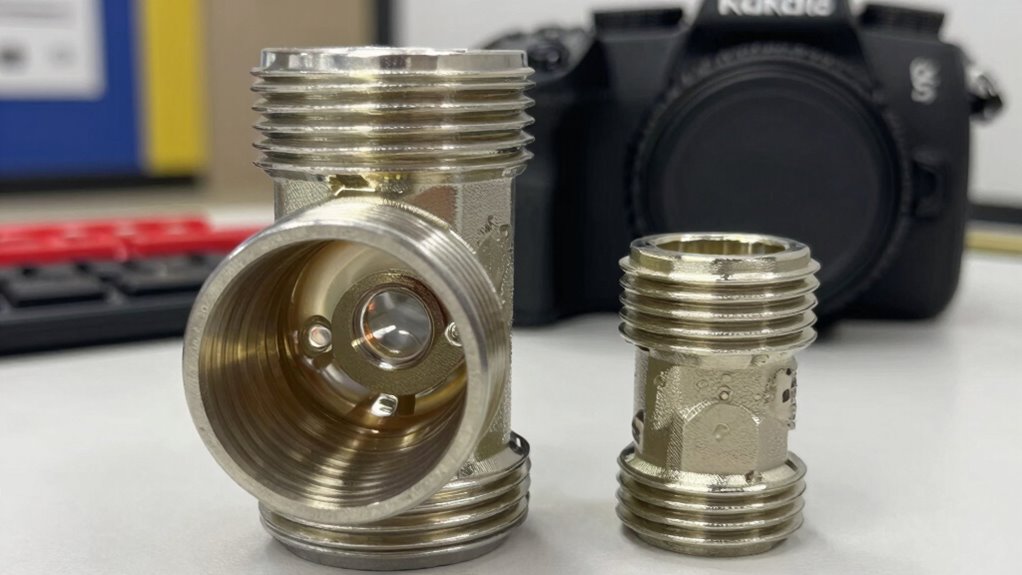
The size of your plumbing pipe directly impacts pump performance by influencing flow rate, pressure, and efficiency. Smaller pipes increase pipe friction, which reduces flow rate and creates resistance that the pump must overcome. Higher pipe friction means your pump works harder, leading to potential pressure drops and decreased efficiency. Conversely, larger pipes allow more water to flow with less resistance, maintaining a higher flow rate and consistent pressure. If your pipe is too narrow, the increased friction hampers performance, making your pump less effective and potentially shortening its lifespan. Choosing the right pipe size ensures minimal pipe friction, ideal flow, and steady pressure, helping your pump operate smoothly and efficiently while reducing energy consumption and wear. Proper pipe sizing is essential for optimizing pump performance and prolonging equipment life, especially when considering the impact of pipe diameter on overall system efficiency. Additionally, understanding flow dynamics can help in selecting the optimal pipe size for your specific application. Recognizing how pressure losses occur within your piping system can further refine your choice of pipe dimensions for maximum efficiency. Being aware of system design considerations can also aid in achieving better hydraulic performance and energy savings.
As an affiliate, we earn on qualifying purchases.
Comparing 1.5-Inch and 2-Inch Plumbing: Pros and Cons
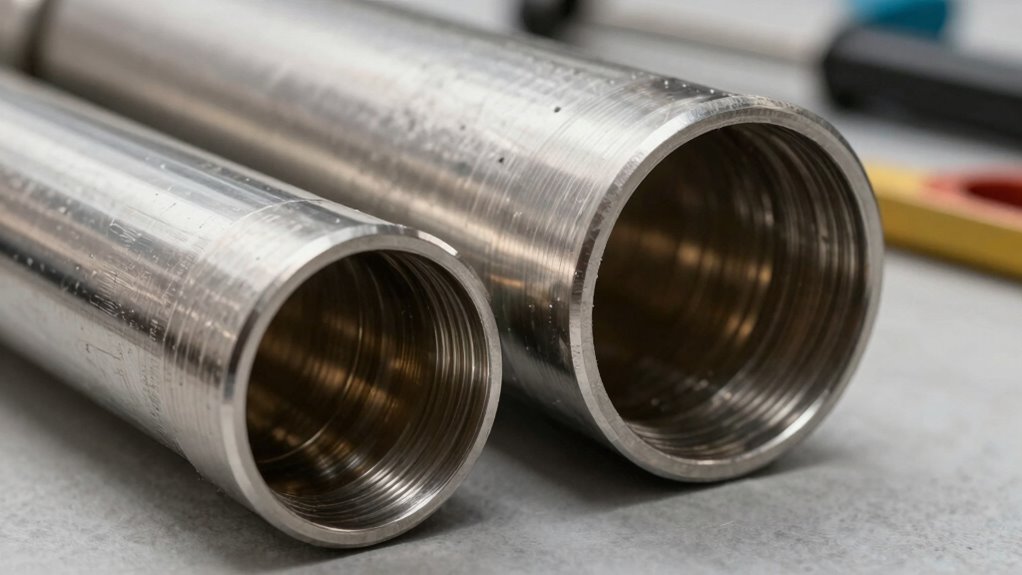
Choosing the right pipe size can make a significant difference in your plumbing system’s performance. When comparing 1.5-inch and 2-inch pipes, consider both pipe material and aesthetic considerations. A 2-inch pipe allows for higher flow rates and reduces pressure loss, making it ideal for larger systems or demanding applications. Additionally, it requires more space and may be less visually appealing if exposed. A 1.5-inch pipe is more compact and easier to install in tight spaces, but it can restrict flow and cause pressure drops under heavy use. Material choice also matters; durable PVC or copper pipes can improve longevity regardless of size. Understanding flow dynamics can help optimize your plumbing design for efficiency and durability. Moreover, considering ergonomic installation techniques can reduce physical strain during setup and maintenance. Additionally, understanding color accuracy in projectors can inspire creative plumbing solutions for stylish kitchen and restaurant designs. Incorporating proper pipe support can further prevent sagging or movement that might compromise system integrity. Weigh these pros and cons to choose the best balance between functionality and appearance for your specific needs.
As an affiliate, we earn on qualifying purchases.
When Is It Time to Upgrade to Larger Pipes?
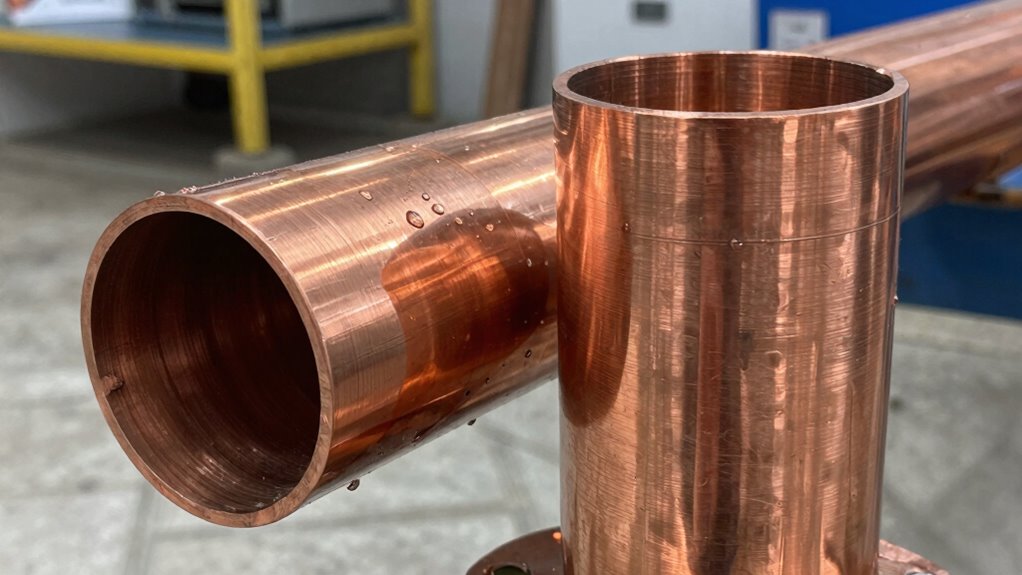
Ever wonder if your plumbing system needs an upgrade? If you’re experiencing slow drainage, frequent clogs, or reduced water pressure, it might be time to consider larger pipes. Your pipe material, like PVC or copper, influences how well your system handles increased flow, but the pipe color often indicates its age or quality. When the current pipes are old or corroded, upgrading to larger pipes can improve efficiency and prevent costly backups. If your existing setup is made from thinner-walled or outdated materials, stepping up to bigger pipes can boost performance. Also, if your pump struggles to move water effectively, larger pipes reduce resistance, making the system more responsive. Recognizing these signs helps you decide when it’s time to upgrade for better flow and long-term reliability. Additionally, connected equipment can help monitor system performance, ensuring your plumbing operates at peak efficiency. Incorporating energetic alignment into your maintenance routine can further optimize system functionality and longevity, especially in regions where local climate impacts can accelerate wear on plumbing infrastructure. Upgrading pipe size not only improves flow but also minimizes pressure drops, resulting in a more consistent water supply. Moreover, understanding the plumbing system design can guide you in selecting the appropriate pipe upgrade to meet your household needs effectively.
pipe support brackets for large pipes
As an affiliate, we earn on qualifying purchases.
As an affiliate, we earn on qualifying purchases.
Installation Tips for 2-Inch Plumbing
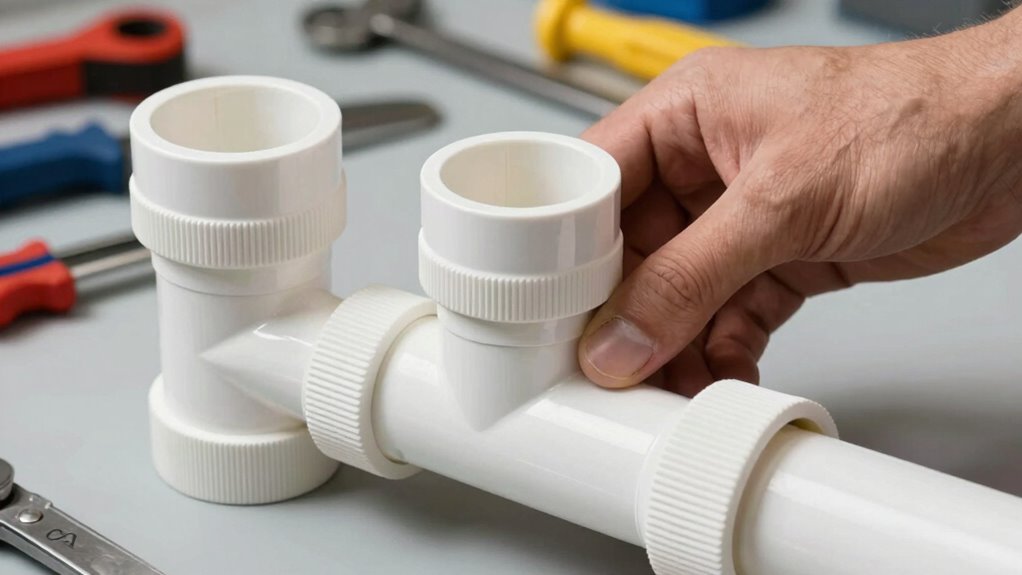
Installing 2-inch plumbing requires careful planning to guarantee proper alignment and support. Begin by mapping out your pipe routing carefully, ensuring smooth curves and minimal bends to reduce pressure loss. Secure pipes with appropriate supports to prevent sagging or movement over time. When running longer sections, consider using pipe insulation to protect against temperature fluctuations and condensation, especially in exposed areas. Proper insulation also helps prevent pipe sweating and freezing issues. Double-check measurements before cutting to ensure accurate fitment. Use compatible fittings designed for 2-inch pipes, and always tighten connections securely without over-tightening. Proper pipe routing and insulation are vital for efficient flow and to avoid future maintenance problems, helping your system perform at its best and last longer. Additionally, implementing proper governance and security measures can prevent potential system failures and enhance overall reliability. Being aware of pressure management techniques is also essential to optimize system performance and longevity. Ensuring adequate support throughout the plumbing system further minimizes stress on joints and reduces the risk of leaks over time. Incorporating system monitoring tools can provide real-time insights into pressure and flow, enabling proactive maintenance and troubleshooting.
Benefits of Larger Pipes: Unlocking Your Pump’s Full Potential
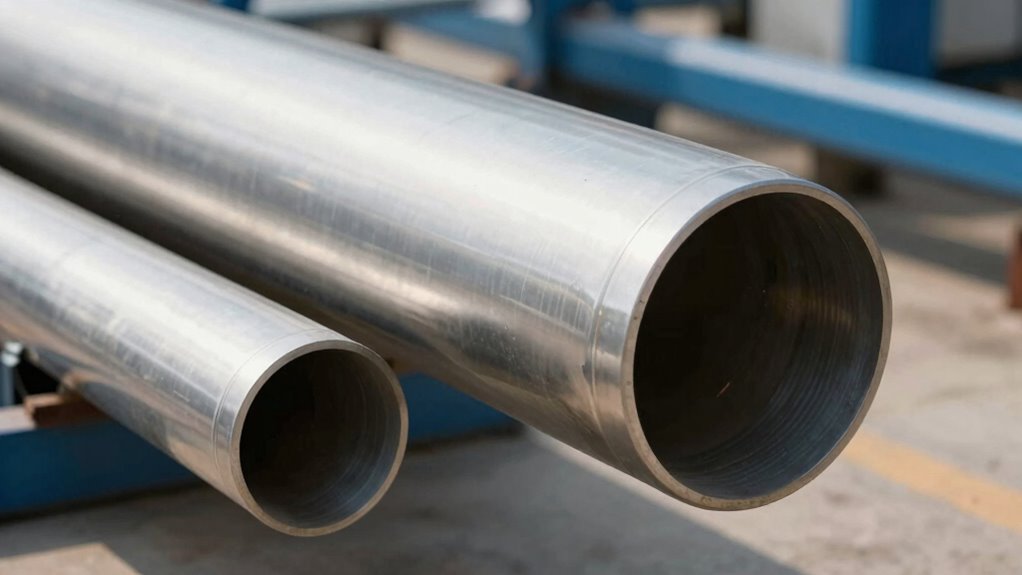
Opting for larger pipes can considerably enhance your system’s performance by allowing greater flow capacity. This means your pump can operate more efficiently, reducing strain and potential wear. Larger pipes, such as 2-inch options, also minimize pressure loss, ensuring consistent water delivery. When choosing pipe material, consider durability and compatibility with your system—PVC, copper, or HDPE each offer benefits. While larger pipes may come with higher initial cost considerations, the long-term savings are notable, thanks to decreased energy consumption and fewer maintenance issues. By upgrading to bigger pipes, you facilitate your pump’s full potential, boosting overall efficiency. This investment ultimately leads to a more reliable, high-performing plumbing system that meets your needs now and into the future.
Frequently Asked Questions
How Does Pipe Diameter Influence Overall Water Flow Rates?
You’ll notice that larger pipe diameters increase water flow rates because they allow higher water velocity with less pipe friction. When you upgrade from 1.5-inch to 2-inch pipes, you reduce resistance, which boosts flow efficiency. This means your pump won’t work as hard, and water moves faster through wider pipes, ensuring better performance and less pressure loss over long distances.
Are There Specific Pump Models Better Suited for 2-Inch Plumbing?
Think of choosing a pump as selecting a key for a larger door—certain models are better suited for 2-inch plumbing, guaranteeing smooth compatibility. Look for pumps labeled as compatible with larger pipes to avoid installation challenges and maximize flow. Brands like Grundfos and Pentair offer models designed for 2-inch systems, making installation straightforward and performance ideal. Picking the right pump ensures your system runs efficiently and reliably.
What Are the Long-Term Cost Implications of Upgrading Pipe Sizes?
Upgrading to larger pipe sizes may increase your initial installation costs, but it can lower maintenance expenses over time. You’ll benefit from reduced wear and tear, fewer blockages, and improved flow, which means less frequent repairs. While the upfront investment is higher, the long-term savings on maintenance and potential energy efficiency make it a smart choice for maximizing pump performance and minimizing ongoing expenses.
Can Existing Fixtures Handle Increased Flow From Larger Pipes?
Your existing fixtures may handle increased flow from larger pipes, but you need to check fixture compatibility and pipe material considerations. Some fixtures are designed for specific flow rates, so upgrading pipe size might require replacing or adjusting fixtures. Make sure to verify that your fixtures can handle the higher flow to prevent issues like leaks or pressure problems. Consulting a professional can ensure a seamless upgrade and peak performance.
What Safety Considerations Should Be Taken When Installing Larger Pipes?
Think of installing larger pipes like upgrading from a small stream to a river—you need safety precautions. Always secure pipe insulation to prevent heat loss and protect against freezing, especially in colder climates. Check for corrosion prevention measures, like using compatible materials and coatings, to avoid leaks. Verify proper support and secure fittings to prevent stress fractures, just like a bridge needs strong supports to handle increased traffic safely.
Conclusion
Upgrading to 2-inch plumbing isn’t just a tweak; it’s your gateway to unleashing unparalleled pump performance. With the right size, you’ll experience flow so smooth, so powerful, it transforms your entire system into a marvel of efficiency. Don’t settle for mediocrity—embrace the upgrade and watch your pump reach heights you never thought possible. This small change can revolutionize your setup, turning everyday performance into extraordinary mastery. The difference is truly staggering—make the leap today.
Fall Picks
fall essentials
As an affiliate, we earn on qualifying purchases.