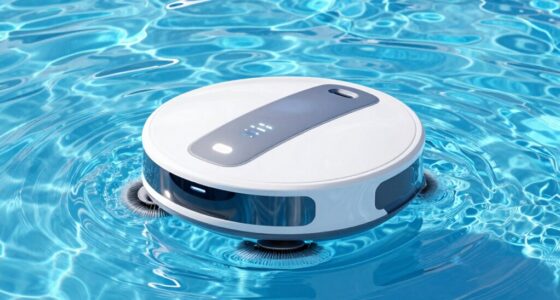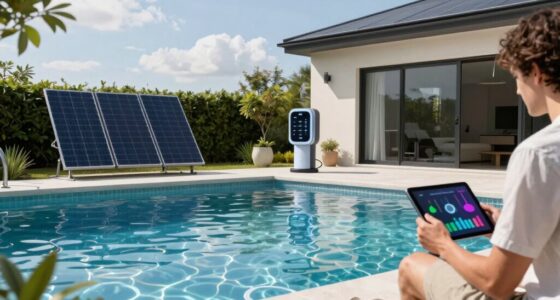
Drowning detection systems are getting more serious attention because they offer real-time alerts that help prevent water tragedies. They use advanced sensors, cameras, and AI to monitor water activity and identify distress signals quickly. These systems reduce reliance on manual oversight and minimize false alarms, ensuring faster responses. As technology improves, they become more accurate, affordable, and essential for water safety. Keep exploring to discover how these innovations are changing water safety worldwide.

Get pool and patio gear delivered free with Prime
- Fast, free delivery on millions of items
- Prime Video, Amazon Music and more included
- Member-only deals all year
Key Takeaways
- Rising water-related accidents highlight the need for reliable, automated drowning detection to enhance safety and reduce fatalities.
- Advancements in AI and sensor technology enable faster, more accurate monitoring than manual supervision alone.
- Increasing pool and water facility safety regulations drive adoption of advanced drowning detection systems.
- Continuous innovation reduces false alarms, ensuring prompt responses and improved rescue success rates.
- Growing awareness of water safety encourages investment in intelligent systems to protect swimmers worldwide.
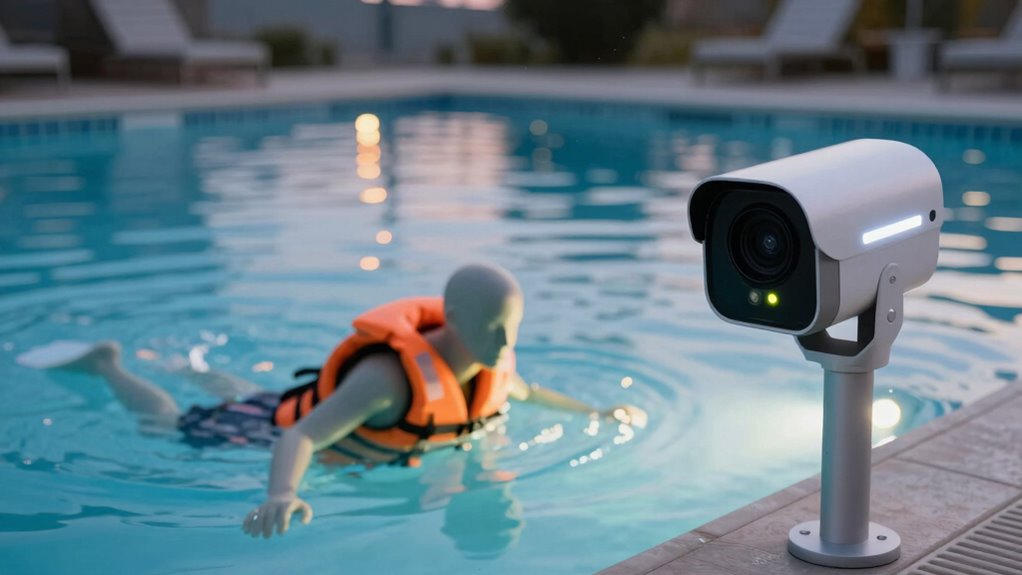
Drowning detection systems are essential safety tools designed to quickly identify when someone is in danger of drowning, especially in swimming pools, lakes, and other bodies of water. As awareness around water safety grows, so does the importance of reliable detection methods. These systems are becoming more serious and sophisticated because preventing drowning incidents is a top priority for many communities, facility operators, and families. With the increasing number of water-related accidents, there’s a clear need for technology that can provide early warnings, especially when lifeguards might not be able to watch every swimmer at all times.
In recent years, technological innovations have markedly advanced drowning detection systems. Traditional safety measures like lifeguards and physical barriers are crucial, but they can sometimes fall short, especially in crowded or large aquatic environments. Now, sensors and cameras equipped with artificial intelligence can monitor water activity continuously, analyzing patterns and movements that might indicate distress. These innovations allow for faster, more accurate detection of potential drownings, reducing the response time and increasing chances of rescue. You’ll notice that many of these systems use machine learning algorithms that improve over time, making them more dependable with continued use.
AI-powered sensors and cameras enable faster, more precise drowning detection through continuous water activity monitoring.
The push for better drowning detection systems is fueled by the desire to enhance swimming safety worldwide. Many organizations and water parks are investing in cutting-edge technology that can alert staff immediately if someone shows signs of trouble, even in the absence of human observation. These systems can distinguish between normal activity and emergency situations, minimizing false alarms and ensuring quick responses when it truly matters. The integration of wearable devices, underwater cameras, and real-time data analysis makes these solutions more extensive. As a result, you’re less likely to rely solely on manual supervision, which can be challenging in large or busy water settings.
The increasing attention reflects a broader shift toward proactive safety measures. Authorities and facility managers recognize that no matter how vigilant they are, accidents can still happen. Drowning detection systems act as an extra layer of protection, working around the clock even when human eyes can’t. This not only promotes swimming safety but also provides peace of mind to parents, swimmers, and staff. As technology continues to evolve, expect these systems to become even more precise, affordable, and integrated into everyday water safety protocols, helping save lives and making water environments safer for everyone. Additionally, advancements in sensor technology and real-time data analysis are further enhancing the accuracy and reliability of these systems. Furthermore, machine learning algorithms are being increasingly refined to adapt to different aquatic conditions and improve detection rates. Moreover, ongoing research and development are crucial to addressing limitations and ensuring these systems remain effective across diverse aquatic environments. The development of advanced detection algorithms is also playing a key role in improving the overall performance of these systems.
As an affiliate, we earn on qualifying purchases.
Frequently Asked Questions
How Cost-Effective Are Drowning Detection Systems for Large Facilities?
Drowning detection systems are quite cost-effective for large facilities when you consider the investment benefits. A thorough cost analysis shows that these systems help prevent accidents, saving lives and reducing liability costs. While initial setup might seem pricey, the long-term benefits include fewer emergencies and lower insurance premiums. Overall, investing in these systems offers a valuable safety upgrade that pays off by protecting visitors and staff alike.
Can Drowning Detection Systems Differentiate Between Humans and Animals?
Did you know that advanced drowning detection systems can differentiate between humans and animals? They utilize sophisticated algorithms similar to wildlife monitoring tech, reducing false alarms and ensuring quick responses. This ability is essential for preventing unnecessary alerts and focusing on genuine emergencies. By accurately identifying swimmers versus wildlife, these systems enhance safety, minimize disruptions, and promote confidence in aquatic environments, making them invaluable for both public pools and natural water bodies.
What Are the Privacy Concerns Associated With These Systems?
You might worry about data privacy and surveillance ethics when it comes to drowning detection systems. These systems often collect and analyze video or sensor data, raising concerns about unauthorized access or misuse. It’s crucial to guarantee that data is securely stored and used solely for safety purposes. Transparency and clear policies help address privacy issues, so you can trust that these systems prioritize safety without compromising your personal privacy.
How Reliable Are Drowning Detection Systems in Different Weather Conditions?
Drowning detection systems are generally reliable across various weather conditions, but their accuracy depends on proper sensor calibration and false alarm management. In stormy or rainy weather, sensors might struggle with water reflections or visibility issues, so regular calibration helps maintain accuracy. Effective false alarm management minimizes disruptions caused by false triggers, ensuring the system remains dependable. Overall, with proper maintenance, these systems perform well in different weather scenarios, providing essential safety alerts.
Are There Any Legal Regulations Governing the Use of Drowning Detection Technology?
Think of drowning detection systems as the vigilant guardians of aquatic safety, but even guardians must follow the law. Yes, there are legal regulations you need to comply with, ensuring your system meets safety standards. Ignoring these rules could lead to serious liability implications if an incident occurs. Staying legally compliant not only protects you but also reassures users that their safety is a top priority, like a lighthouse guiding ships safely home.
As an affiliate, we earn on qualifying purchases.
Conclusion
As drowning detection systems become more advanced, you benefit from enhanced safety, quicker responses, and greater peace of mind. These systems monitor, alert, and prevent, working tirelessly to keep you safe. With each innovation, you gain confidence, trust, and security. As technology evolves, so does your protection, making pools, beaches, and lakes safer places to enjoy. Embrace these systems, rely on their accuracy, and experience the peace of mind that comes with smarter, safer water environments.
underwater drowning alert camera
As an affiliate, we earn on qualifying purchases.
As an affiliate, we earn on qualifying purchases.
swimming pool safety monitoring device
As an affiliate, we earn on qualifying purchases.
As an affiliate, we earn on qualifying purchases.
Fall Picks
fall essentials
As an affiliate, we earn on qualifying purchases.