
TL;DR
In 2026, the most popular backyard trends focus on sustainable design, integrated technology, and versatile outdoor spaces. These developments reflect evolving homeowner preferences and industry innovations.
Homeowners are increasingly investing in their outdoor living spaces in 2026, with the latest trends emphasizing sustainability, technology integration, and multifunctional design. These developments are shaping the way people enjoy and utilize their backyards, reflecting broader shifts in lifestyle and environmental awareness.
According to industry reports, the top backyard trends for 2026 include the adoption of eco-friendly materials and sustainable landscaping, the integration of smart technology for lighting, heating, and entertainment, and the creation of adaptable outdoor zones that serve multiple functions. Experts note that these trends are driven by a combination of consumer demand for eco-conscious living and advancements in outdoor tech solutions.
Several companies are now offering modular outdoor furniture and versatile structures that can be customized for dining, lounging, or working from home, catering to the increasing need for flexible outdoor spaces. Additionally, there is a rising focus on water conservation and native plant use in landscaping, aligning with broader environmental goals.
Industry analysts suggest that these trends are expected to continue evolving, with innovations in sustainable materials and smart tech further transforming outdoor spaces in the coming years.
Enhance Your Outdoor Living Space
The hottest backyard lifestyle trends bring three priorities together: lower-impact design, connected convenience, and flexible spaces that shift from workday retreat to weekend gathering place.
Three trends are reshaping the backyard
Homeowners are treating outdoor areas as usable living space rather than decorative overflow. The strongest concepts improve daily comfort while addressing resource use, maintenance, and changing household needs.
Work with the local environment
Native planting, water-conscious landscaping, recycled or lower-impact materials, and energy-efficient lighting reduce resource demand while creating a more resilient yard.
Make comfort responsive
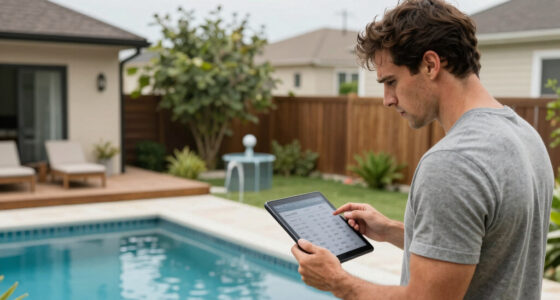
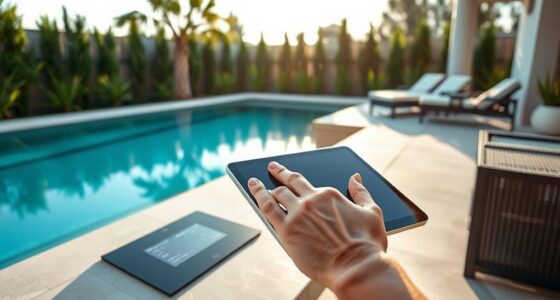
Smart lighting, automated irrigation, outdoor audio, connected heating, and app-based controls make the backyard easier to manage across seasons and occasions.
Design every area to adapt
Modular furniture and movable structures allow one footprint to support dining, lounging, entertaining, exercise, or focused work without permanent single-use zones.
Value extends beyond visual appeal
Thoughtful outdoor upgrades can improve quality of life, strengthen curb appeal, reduce operating waste, and create more usable space without changing a home’s interior footprint.
Before investing
Choose plants, materials, shade, and heating solutions suited to local conditions.
Include installation, energy, water, subscriptions, upkeep, and replacement costs.
Match the design to the time and expertise available for long-term care.
Prioritize infrastructure first, then add modular comfort and technology over time.
From homeowner need to everyday impact
The strongest backyard plans connect a real lifestyle need to an appropriate intervention, then measure success through comfort, efficiency, adaptability, and long-term value.
Match each trend to your priorities
Not every upgrade needs a premium budget. Many ideas can scale from simple planting and movable furniture to fully connected outdoor rooms with automated environmental controls.
| Backyard feature | Eco benefit | Technology level | Budget flexibility | Primary payoff |
|---|---|---|---|---|
| Native landscaping | ✓ Strong | ~ Optional | ✓ High | Lower water and habitat support |
| Smart irrigation | ✓ Strong | ✓ High | ~ Medium | Convenience and water control |
| Modular furniture | ~ Varies | ✗ Low | ✓ High | Fast layout changes |
| Connected lighting | ✓ Efficient | ✓ High | ~ Medium | Ambience, safety, and control |
| Outdoor heating | ~ Product dependent | ~ Optional | ~ Medium | Longer seasonal use |
| Multifunction structure | ~ Material dependent | ~ Optional | ✗ Lower | Dining, work, and relaxation |
✓ Strong fit ~ Depends on design ✗ Limited fit
What defines a sustainable backyard?
Native plants, water conservation, lower-impact materials, and energy-efficient lighting or heating systems.
How is technology being integrated?
Through smart lighting, automated irrigation, outdoor entertainment, sensors, and connected controls.
Can these trends work on modest budgets?
Yes. Native planting, efficient bulbs, movable furniture, and phased upgrades provide scalable entry points.
Could upgrades improve property value?
Well-planned features may strengthen appeal and usability, though returns depend on quality, market, and climate.
Expect greater customization—and closer scrutiny
Upcoming product launches are likely to expand choices in sustainable materials, connected devices, modular structures, and multifunctional outdoor zones. As the category matures, homeowners should look beyond trend labels and compare durability, interoperability, repairability, and verified environmental performance.
15 Best Waterproof Outdoor Bluetooth Speakers
Explore the guide →
12 Best Waterproof Outdoor Bluetooth Speakers
Compare the picks →
14 Best Waterproof Outdoor Bluetooth Speakers
See the top picks →
Why 2026’s Backyard Trends Matter for Homeowners
These trends are significant because they reflect a shift toward more sustainable and technologically integrated outdoor spaces, which can increase property value and enhance quality of life. As homeowners seek more functional and eco-friendly environments, understanding these developments can help guide investments and design choices.
Moreover, the emphasis on sustainability aligns with global efforts to reduce environmental impact, making these backyard upgrades part of a broader move toward greener living. The integration of smart technology also offers convenience and energy efficiency, appealing to modern lifestyles.
waterproof outdoor Bluetooth speakers
As an affiliate, we earn on qualifying purchases.
As an affiliate, we earn on qualifying purchases.
Background on Outdoor Living Trends Leading to 2026
Over the past few years, outdoor living has gained prominence as homeowners look to maximize their property use and create personalized retreat spaces. The COVID-19 pandemic accelerated this trend, prompting increased interest in outdoor dining, entertainment, and relaxation areas. Industry reports from earlier years indicated a growing demand for eco-friendly materials and smart outdoor solutions, setting the stage for the current trends.
In 2025, innovations in outdoor tech and sustainable landscaping saw notable growth, with manufacturers introducing more eco-conscious products and connected devices. These developments laid the groundwork for the more refined trends emerging in 2026, which focus on versatility, sustainability, and seamless technology integration.
“Modular and multifunctional outdoor furniture is becoming essential for flexible backyard designs in 2026.”
— a product developer from a leading outdoor furniture company
As an affiliate, we earn on qualifying purchases.
Unconfirmed Aspects of 2026 Backyard Trends
While industry reports and expert opinions point to these trends, specific product innovations and homeowner adoption rates are still developing. It is not yet clear how quickly these trends will be adopted universally or how they will evolve with future technological advancements.
Additionally, the long-term sustainability impacts of new materials and designs are still being studied, meaning some environmental claims may be subject to change as more data becomes available.
sustainable outdoor landscaping materials
As an affiliate, we earn on qualifying purchases.
As an affiliate, we earn on qualifying purchases.
Upcoming Developments in Outdoor Living for 2026 and Beyond
Industry experts anticipate continued innovation in sustainable outdoor materials and smart technology, with new product launches expected throughout 2026. Homeowners and designers will likely see increased options for customizable, eco-friendly outdoor setups that incorporate the latest tech features.
Furthermore, trends in outdoor zoning and multifunctional spaces are expected to expand, offering more flexible options for outdoor living. Monitoring industry reports and product releases over the coming months will provide clearer insights into how these trends develop and influence the market.
As an affiliate, we earn on qualifying purchases.
Key Questions
What are the main sustainable features in 2026 backyard trends?
Key features include eco-friendly materials, native plant landscaping, water conservation practices, and energy-efficient outdoor lighting and heating systems.
How is technology integrated into outdoor living spaces in 2026?
Smart lighting, automated irrigation, outdoor entertainment systems, and connected furniture are common features, enhancing convenience and functionality.
Are these backyard trends suitable for all budgets?
While some high-end options are more costly, many trends such as native landscaping and modular furniture are accessible for a range of budgets, with scalable solutions available.
Will these trends increase property values?
Yes, incorporating modern, sustainable outdoor features can enhance curb appeal and property value, especially as demand for outdoor living spaces grows.
What should homeowners consider before adopting these trends?
Homeowners should evaluate their climate, budget, and long-term maintenance needs, and consult with professionals to select the most suitable sustainable and tech-enabled options.
Source: rss