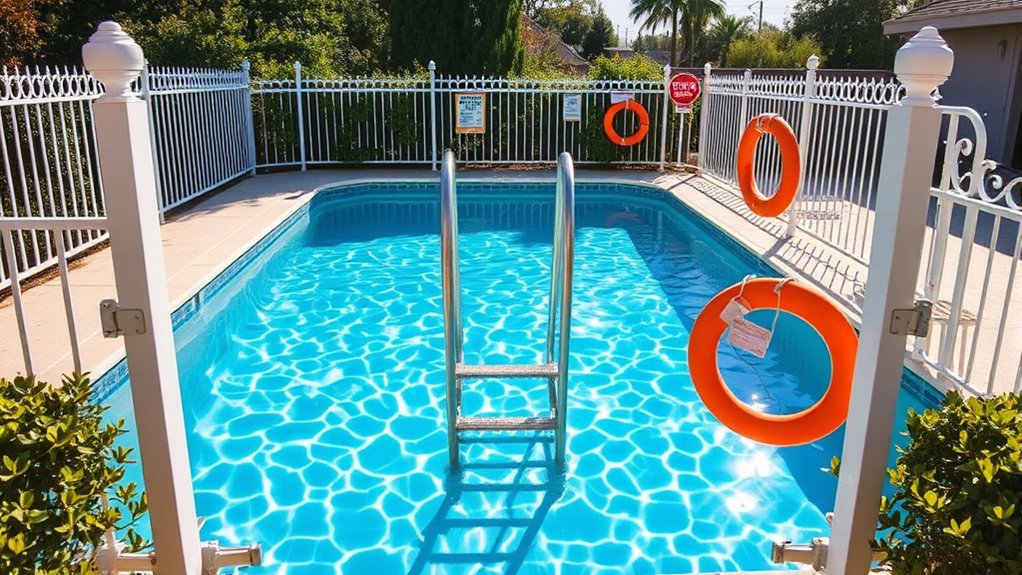

When managing rental property pools, you need to understand safety standards, liability waivers, and local laws to protect yourself. Make certain your pool meets safety requirements like fencing, signage, and rescue equipment, and keep detailed records of inspections and safety procedures. Properly drafted liability waivers can help limit your legal exposure, but they aren’t foolproof—especially if gross negligence occurs. Staying compliant means balancing legal tools with physical safety measures, so exploring these details helps safeguard your property and tenants.
Key Takeaways
- Ensure compliance with local safety standards, including fencing, signage, and rescue equipment requirements.
- Use properly drafted, voluntary liability waivers to limit legal exposure, noting their enforceability varies by jurisdiction.
- Maintain detailed records of inspections, safety training, and maintenance to support legal defense and demonstrate safety efforts.
- Regularly review and update safety protocols, and educate tenants and guests on pool safety rules.
- Consult legal experts to navigate jurisdiction-specific laws and address issues like gross negligence and waiver enforceability.
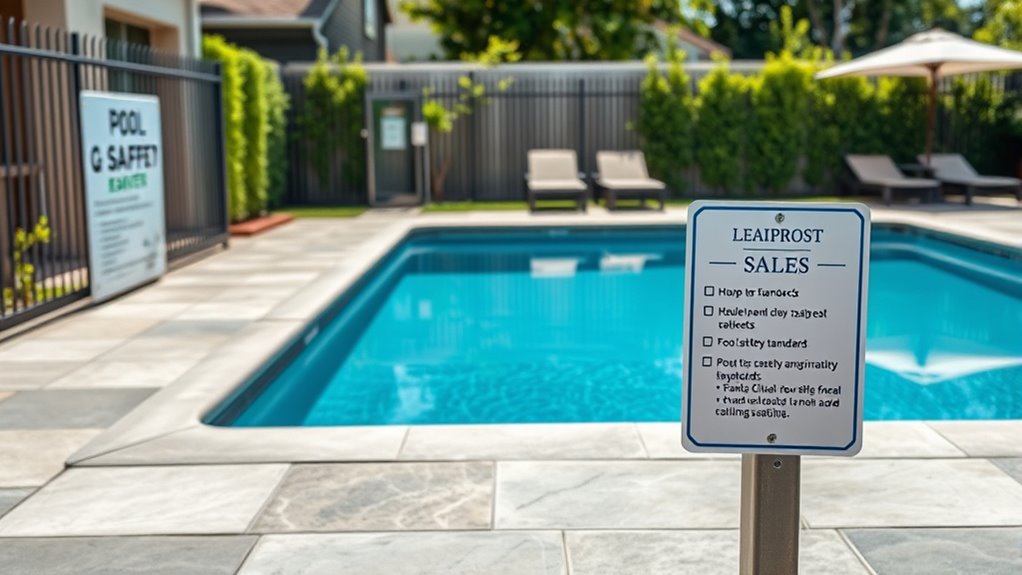
If you’re involved in managing or investing in rental properties that share amenities or common areas, understanding rental property pool laws is crucial. These laws are designed to protect both property owners and tenants, especially when it comes to pools, which can pose significant safety risks. One of the most critical legal tools at your disposal is the liability waiver. This document can help limit your legal exposure if someone gets injured while using the pool, but it’s important to remember that liability waivers aren’t foolproof. They must be properly drafted, clearly written, and signed voluntarily, and they may not hold up in every jurisdiction or in cases of gross negligence. Consequently, while liability waivers are a useful part of your legal strategy, they should be complemented by rigorous pool safety measures.
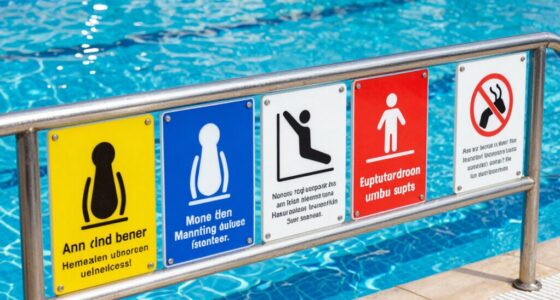
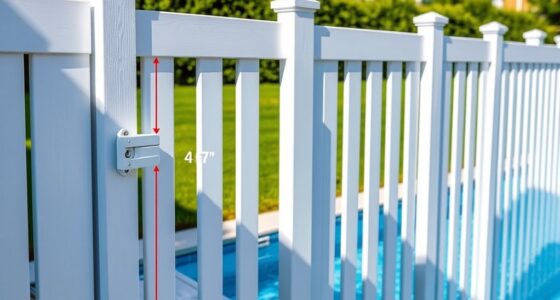
Pool safety is at the core of legal compliance and risk management. You’re responsible for ensuring that your pool meets all local, state, and federal safety standards. This includes proper fencing, secure gates, safety signage, and accessible rescue equipment. You should also regularly inspect the pool area for hazards like broken equipment, slippery surfaces, or faulty drains. Implementing clear rules for pool use and communicating them effectively can reduce accidents and liability. For example, posting signs about no diving, no running, or supervising children can help enforce safe behaviors. Educating tenants and guests about pool safety is equally important—many accidents happen because users aren’t aware of the risks or safety protocols. Additionally, understanding the cost of electric pool equipment can help you budget for maintenance and upgrades to maintain safety standards.
Beyond physical safety measures, it’s essential to document your efforts. Keep records of regular inspections, safety training, and maintenance routines. These records can be invaluable if an incident occurs, demonstrating that you took reasonable steps to ensure safety and comply with applicable laws. When drafting liability waivers, consult legal experts to ensure they are enforceable and tailored to your specific property and jurisdiction. Keep in mind, some jurisdictions may restrict the enforceability of liability waivers for certain types of injuries or activities, especially if gross negligence is involved.

VINGLI Swimming Pool Fence for Ground and Above Pool Safety Fencing, Black (4×72FT)
Easy to Install . VINGLI fence section comes complete with hardware and clear instructions, the 5/8'' drill bit…
As an affiliate, we earn on qualifying purchases.
As an affiliate, we earn on qualifying purchases.
Frequently Asked Questions
Are There Specific Insurance Requirements for Rental Property Pools?
Yes, you need specific insurance requirements for your rental property pool. You should have liability insurance that covers accidents related to pool use, protecting you from potential lawsuits. Regular pool maintenance is essential to prevent hazards and reduce risks. Ensuring your insurance policy explicitly covers pool-related incidents is vital. This way, you safeguard your property and guests while complying with legal standards, giving you peace of mind.
What Safety Signage Is Legally Required Around Rental Pools?
Think of safety signage around your rental pool as a lighthouse guiding guests safely home. You must install clear, visible signage that meets signage standards, warning about depth, no diving zones, and no lifeguard on duty. Liability signage should emphasize rules and potential dangers to limit your liability. Guarantee signs are legible, durable, and strategically placed at entry points and around the pool area to keep everyone informed and safe.
Can Tenants Install Their Own Pool Equipment or Accessories?
You generally can’t allow tenants to install their own pool equipment or accessories, as DIY installations can pose safety risks and affect your property’s compliance with safety standards. Property modifications like adding pool accessories should be approved beforehand, preferably in writing. This helps you maintain control over safety and insurance requirements, ensuring the pool remains compliant with legal regulations and minimizes liability. Always consult local laws before permitting any modifications.
Are There Restrictions on Pool Hours for Rental Properties?
You might find yourself wondering about pool hours for your rental property—it’s a common concern. Restrictions often exist to balance pool maintenance needs and guarantee pool accessibility for all tenants. Typically, you can set specific hours, but local regulations or HOA rules might impose limits. Check your lease agreement and local laws to determine appropriate hours. Clear communication helps tenants enjoy the pool responsibly while maintaining safety and compliance.
How Is Liability Determined in Pool-Related Accidents?
You’re liable for pool-related accidents if you neglect proper pool maintenance or lack adequate liability insurance. Courts consider whether you took reasonable steps to ensure safety, like installing barriers or warning signs. If an injury occurs, they’ll evaluate if you acted negligently. To protect yourself, regularly maintain the pool and carry sufficient liability insurance, demonstrating you’ve taken necessary precautions to minimize risks and prevent accidents.

FZHBLTY Telescopic Pool Rescue Pole, Extendable 9.8ft Water Safety Pole with Lifesaving Hook, Pool Rescue Equipment for Swimming Pools, Retractable Safety Rescue Pole for Emergency Water Rescue
Emergency Pool Rescue Pole. Every second counts in water emergencies. Keep this pool safety hook with pole poolside,…
As an affiliate, we earn on qualifying purchases.
As an affiliate, we earn on qualifying purchases.
Conclusion
Exploring rental property pools requires understanding the laws that keep everyone afloat, much like a captain steering through unpredictable waters. By staying informed and adhering to legal guidelines, you guarantee your pool remains a safe haven rather than a source of trouble. Remember, as with any voyage, knowledge is your compass—avoid the rocks of non-compliance, and your rental pool will thrive, echoing the timeless wisdom of those who’ve successfully charted their course before you.

Crazysign Pool Rules Sign Warning Swim At Your Own Risk Vintage Tin Sign for Swimming Pool Water Park Beach Decor 8×12 Inches (3097)
Safety Message: It features a bold and clear message, warning people to swim at their own risk. It…
As an affiliate, we earn on qualifying purchases.
As an affiliate, we earn on qualifying purchases.
liability waiver templates for pools
As an affiliate, we earn on qualifying purchases.
As an affiliate, we earn on qualifying purchases.