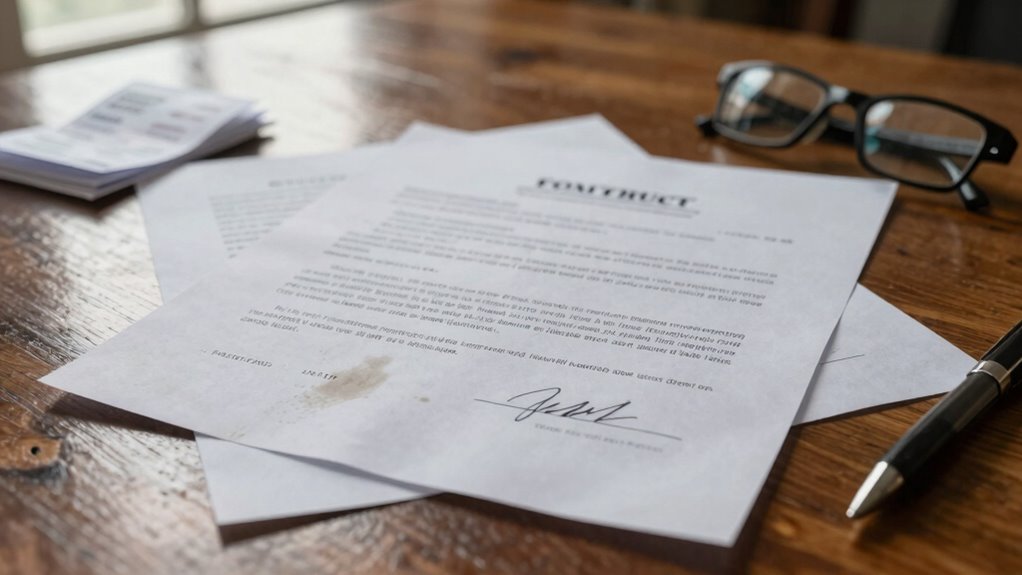

Unclear or overly broad contract clauses, like vague scope of work, ambiguous payment terms, or overly general liability waivers, can cause serious disputes later on. If you don’t specify responsibilities or include precise completion criteria, you risk unexpected costs or legal issues. Poorly drafted language around change orders or project timelines can also lead to delays and disagreements. Keep these pitfalls in mind, and you’ll find ways to avoid common problems that could trip you up down the line.

Get pool and patio gear delivered free with Prime
- Fast, free delivery on millions of items
- Prime Video, Amazon Music and more included
- Member-only deals all year
Key Takeaways
- Vague scope of work clauses can lead to disputes over project completion and expectations.
- Broad liability waivers may be challenged, exposing contractors to legal risks.
- Unclear payment terms can cause delayed payments or disagreements over charges.
- Poorly drafted language around “acceptable work” may result in costly rework or disputes.
- Inadequate contract review increases the risk of hidden liabilities and enforceability issues.
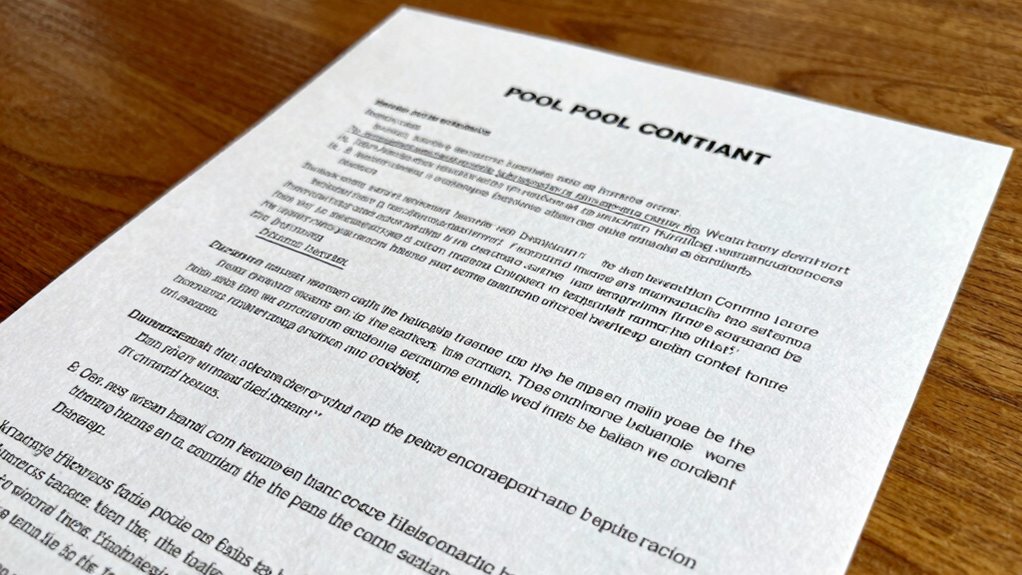
Are you aware of the key clauses to include in your pool contract to protect your interests? One of the most critical areas often overlooked involves liability waivers. These clauses are designed to limit the pool company’s legal responsibility if someone gets injured or if damages occur during the project. Without a clear liability waiver, you might find yourself facing costly lawsuits or unexpected expenses. Make sure the contract explicitly states that the contractor isn’t liable for injuries, accidents, or damages caused during the work. Conversely, it should also specify your responsibilities, such as ensuring a safe work environment around the pool area. Failing to include a thorough scope can leave you exposed to significant financial and legal risks, especially if accidents happen on your property that aren’t directly caused by the contractor’s negligence.
Another often problematic clause involves payment terms. Many contracts specify vague or overly flexible payment schedules, which can lead to disputes or withheld payments. You need precise language stating when payments are due, whether they’re tied to project milestones, completion dates, or specific deliverables. Clarify if deposits are required upfront and whether any progress payments are refundable if the work isn’t completed as agreed. Ambiguous or poorly defined payment terms can cause delays and strain your relationship with the contractor. Additionally, include provisions for change orders—how additional work will be billed and approved—to prevent unexpected charges that blow your budget. A well-drafted payment clause protects both parties by setting clear expectations and ensuring you’re not on the hook for costs that haven’t been agreed upon beforehand. Being aware of contractual clauses can help you spot potential issues before signing.
Trouble later often arises when these clauses aren’t carefully crafted or thoroughly reviewed. For example, if liability waivers are too broad, they might be challenged legally, leaving you vulnerable. Similarly, vague payment terms can lead to disputes over what constitutes “completion” or “acceptable work,” which might delay project finalization or cause you to pay more than you anticipated. To avoid these issues, you should scrutinize these clauses before signing anything. Confirm that liability waivers are balanced and fair, and that payment terms are specific, detailed, and aligned with your expectations. Reviewing contract language thoroughly can also help you identify areas that might be problematic later. Remember, a comprehensive contract is your best safeguard against future misunderstandings, unexpected costs, or legal complications related to your pool project. Properly reviewing contract terms ensures your rights are protected throughout the project. Additionally, consulting with a legal professional familiar with construction contracts can provide added assurance that all clauses are properly drafted and enforceable.
pool contract liability waiver forms
As an affiliate, we earn on qualifying purchases.
As an affiliate, we earn on qualifying purchases.
Frequently Asked Questions
How Can I Negotiate Better Pool Contract Terms?
To negotiate better pool contract terms, focus on clear communication about pool maintenance expectations and costs upfront. Choose a reputable contractor with good reviews, and don’t hesitate to compare multiple bids. Ask about warranties and service schedules, and request written details. Be firm on your needs, and negotiate for flexibility or discounts. This approach guarantees you get fair terms and avoid future disputes with your pool contractor.
What Are Common Hidden Fees in Pool Contracts?
Hidden fees in pool contracts often lurk behind the scenes, like subtle shadows in the water. Be wary of charges disguised as “additional services” or “miscellaneous expenses.” Prioritize pricing transparency and verify contractor credentials to prevent surprises. Always ask for a detailed breakdown upfront, so you clearly see what’s included. This way, you protect yourself from unexpected costs and guarantee your investment stays smooth and clear, just like a calm, clean pool.
How Do I Handle Contract Disputes With a Contractor?
When you face a contract dispute with a contractor, start by reviewing your agreement, especially clauses on pool maintenance and safety regulations. Communicate your concerns clearly and document all correspondence. If needed, consult a legal professional familiar with pool contracts. Consider mediation or arbitration before taking legal action, ensuring your safety regulations are met and your pool maintenance expectations are clarified to resolve the dispute efficiently.
Are There Legal Protections for Pool Buyers?
Ever wonder if your pool purchase is protected? Yes, there are legal protections for pool buyers, especially concerning pool safety and environmental impact. Regulations guarantee your pool meets safety standards, reducing accidents, and that environmentally friendly practices are followed. These protections help you avoid future liabilities, giving peace of mind. Always review local laws and contracts thoroughly; they’re designed to shield you from potential hazards and legal issues.
What Warranties Should I Expect in a Pool Contract?
In your pool contract, you should expect warranties covering pool maintenance and water chemistry. These warranties guarantee the contractor will address issues like leaks, equipment failures, or water quality problems within a specific period. Make certain the contract clearly states what is covered, including repairs or replacements, and the duration of the warranty. This way, you’re protected if your pool develops problems related to maintenance or water chemistry shortly after installation.
pool project payment agreement template
As an affiliate, we earn on qualifying purchases.
As an affiliate, we earn on qualifying purchases.
Conclusion
Understanding pool contract clauses is essential to avoid future headaches. One surprising stat reveals that nearly 30% of disputes stem from vague or unfair contract terms. By carefully reviewing and negotiating clauses upfront, you can save yourself time, money, and stress later on. Don’t let hidden pitfalls catch you off guard—being proactive now ensures smoother sailing when it’s time to plunge into your pool project. Always read the fine print and ask questions before signing on the dotted line.
pool construction change order form
As an affiliate, we earn on qualifying purchases.
As an affiliate, we earn on qualifying purchases.
pool project scope of work template
As an affiliate, we earn on qualifying purchases.
As an affiliate, we earn on qualifying purchases.
Fall Picks
fall essentials
As an affiliate, we earn on qualifying purchases.