
To plan your pool renovation’s timeline and budget, consider your material choices, installation timeframes, and permit processes. Concrete pools take longer but offer more customization, while fiberglass installs can wrap up in about a week. Don’t forget permits, which vary by location and can add delays if overlooked. Proper initial planning helps you stay on schedule and within budget, ensuring a smooth project. Keep exploring to discover how to make your renovation even more successful.

Get pool and patio gear delivered free with Prime
- Fast, free delivery on millions of items
- Prime Video, Amazon Music and more included
- Member-only deals all year
Key Takeaways
- Material selection impacts both initial costs and installation duration, affecting overall renovation budget and timeline.
- Fiberglass pools install quickly within a week, while concrete and vinyl options require longer periods.
- Obtaining permits early prevents delays and unexpected expenses during the renovation process.
- Proper planning reduces risks of project rework, fines, or violations that can inflate costs and extend timelines.
- Coordinating permits and material choices ensures a smooth project flow, keeping the renovation on schedule and within budget.

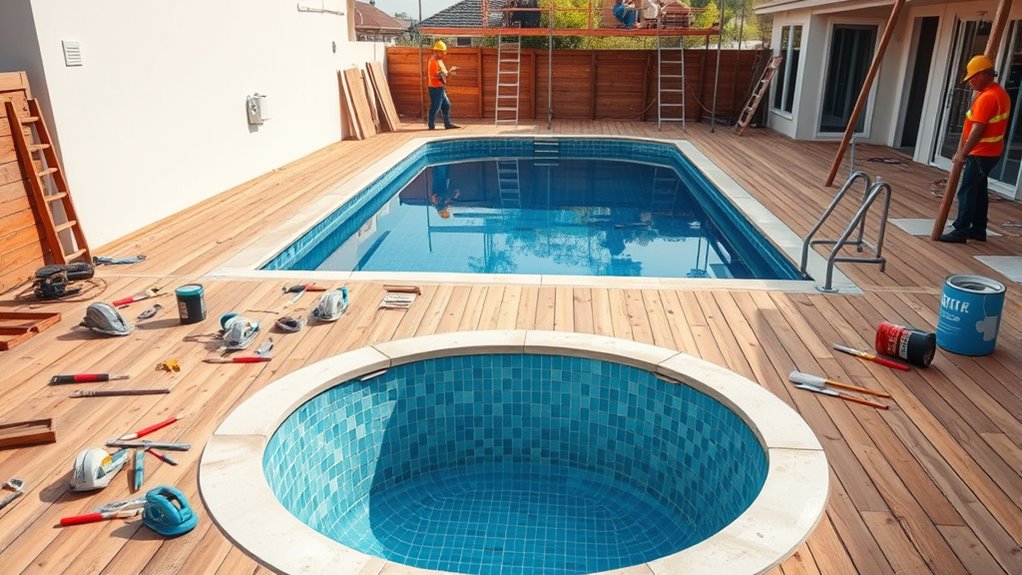
Renovating a pool can be a rewarding project, but understanding the typical timelines and budgeting essentials is essential for a smooth process. One of the first steps you’ll need to consider is material selection. Your choice of materials impacts not only the look and feel of your pool but also its longevity and maintenance needs. For example, if you opt for traditional gunite or concrete, expect a different timeline and cost compared to fiberglass or vinyl liner options. Concrete pools tend to take longer to install and require more labor, but they offer greater customization. Fiberglass pools can be installed more quickly, often within a week, but are limited in size and shape options. Vinyl liners are usually the most budget-friendly and quick to install, but they may need replacement sooner. When selecting materials, think about your long-term goals and how each option aligns with your budget, climate, and aesthetic preferences. Additionally, understanding the installation duration of each material type can help you plan more accurately for project completion.
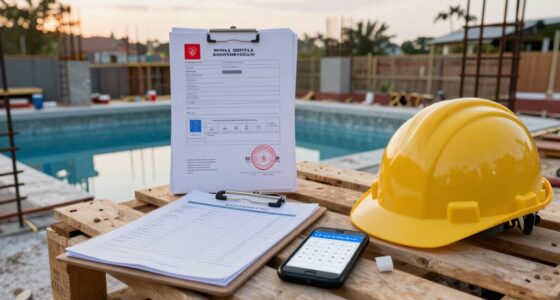
Parallel to choosing materials, you’ll need to focus on permit acquisition. Securing the necessary permits is critical to ensure your renovation complies with local building codes and regulations. The process can vary considerably depending on your location, so it’s wise to check with your city or county’s building department early on. Typically, acquiring permits involves submitting detailed plans and sometimes paying fees, which can take anywhere from a few days to several weeks. Failure to obtain proper permits can lead to hefty fines, delays, or even having to redo parts of the project. It’s best to factor permit acquisition time into your overall timeline from the start. Working with experienced contractors who are familiar with local regulations can streamline this process and prevent unnecessary setbacks. Remember, rushing through permit approval might seem tempting, but it’s a false economy, as delays or violations can end up costing you much more in the long run.
In essence, your pool renovation timeline hinges on careful planning of material selection and permit acquisition. Being deliberate about your material choices allows you to set realistic expectations for project duration and costs, while proactively managing permit processes keeps your project on track. Both steps demand attention upfront to avoid surprises later. When you approach these stages with clarity and preparation, you’ll reduce delays, control your budget more effectively, and ultimately enjoy your revitalized pool sooner. Staying organized and informed about these essentials helps guarantee your renovation is a success rather than a stressful ordeal.
fiberglass pool installation kit
As an affiliate, we earn on qualifying purchases.
As an affiliate, we earn on qualifying purchases.
Frequently Asked Questions
How Can I Estimate Unexpected Costs During Renovation?
To estimate unexpected costs during your renovation, you should incorporate contingency planning by setting aside around 10-20% of your budget for unexpected expenses. Regularly review progress, and communicate with your contractor to identify potential issues early. Keeping detailed records helps you track costs, and being flexible allows you to adapt plans as needed. This proactive approach ensures you’re prepared for unexpected expenses and keeps your project on track financially.
What Are Signs My Pool Needs Urgent Renovation?
You’ll know your pool needs urgent renovation if you notice compromised pool safety, like unstable surfaces or damaged tiles, or if algae and cracks become persistent despite cleaning. Additionally, if you’re considering aesthetic upgrades, such as outdated finishes or lighting, it’s a sign that renovation could enhance both safety and appearance. Addressing these issues promptly prevents costly repairs later and keeps your pool safe and visually appealing.
How Do Weather Conditions Affect Renovation Schedules?
Weather delays can turn your renovation schedule into a weather vane, swinging unpredictably with storms or freezes. You’ll want to plan seasonally to avoid delays, since rain, snow, or extreme heat can halt work and extend timelines. Clear skies don’t just brighten your day—they keep your project on track, making seasonal planning essential. Keep an eye on weather forecasts, and schedule your renovation during stable months to stay ahead of delays.
Can I Finance My Pool Renovation Project?
Yes, you can finance your pool renovation project. Explore financing options like personal loans, home equity lines of credit, or specialized renovation loans. These options can help you manage your budget planning effectively and spread out payments over time. Make sure to compare interest rates and repayment terms to find the best fit for your financial situation. Proper financing makes your project more achievable without upfront financial strain.
How to Choose the Right Contractor for Renovation?
Picture yourself by a sparkling, safe pool, knowing you’ve chosen the right contractor. To do that, check their experience with pool safety and equipment upgrades, ask for references, and review their portfolio. A good contractor communicates clearly, respects your budget, and prioritizes safety. Trust your instincts—if they listen and offer transparent plans, you’re on the right path to a beautifully renovated, secure pool that lasts.
concrete pool renovation supplies
As an affiliate, we earn on qualifying purchases.
As an affiliate, we earn on qualifying purchases.
Conclusion
Remember, a stitch in time saves nine. Planning your pool renovation carefully guarantees you stay within your budget and avoid delays. By setting realistic timelines and allocating funds wisely, you’ll enjoy your upgraded pool sooner and without stress. Stay proactive, communicate clearly with contractors, and don’t rush the process. With patience and proper planning, you’ll plunge into your refreshed backyard oasis before you know it. Keep these tips in mind, and your pool project will be a smooth swim!
As an affiliate, we earn on qualifying purchases.
As an affiliate, we earn on qualifying purchases.
Fall Picks
fall essentials
As an affiliate, we earn on qualifying purchases.