
As a homeowner with a pool, you’re responsible for implementing safety measures like fencing, covers, alarms, and proper maintenance to prevent accidents. Regularly inspecting equipment and guaranteeing water quality is vital to avoid hazards. Educating family and visitors about safety rules and supervising children helps reduce risks. It’s also essential to review your insurance policies to make certain of adequate liability coverage. Staying proactive about safety and legal responsibilities helps protect you from potential liabilities—exploring further reveals how to best secure your pool environment.
Key Takeaways
- Homeowners are legally responsible for ensuring pool safety to prevent accidents and liabilities.
- Implement safety measures like fencing, covers, and alarms to reduce risk and meet legal standards.
- Regular maintenance of pool equipment and water quality is essential to avoid hazards and liability issues.
- Adequate insurance coverage, including liability policies, protects homeowners from financial loss due to pool accidents.
- Supervising guests and posting safety signs help promote safe behavior and minimize potential legal liabilities.
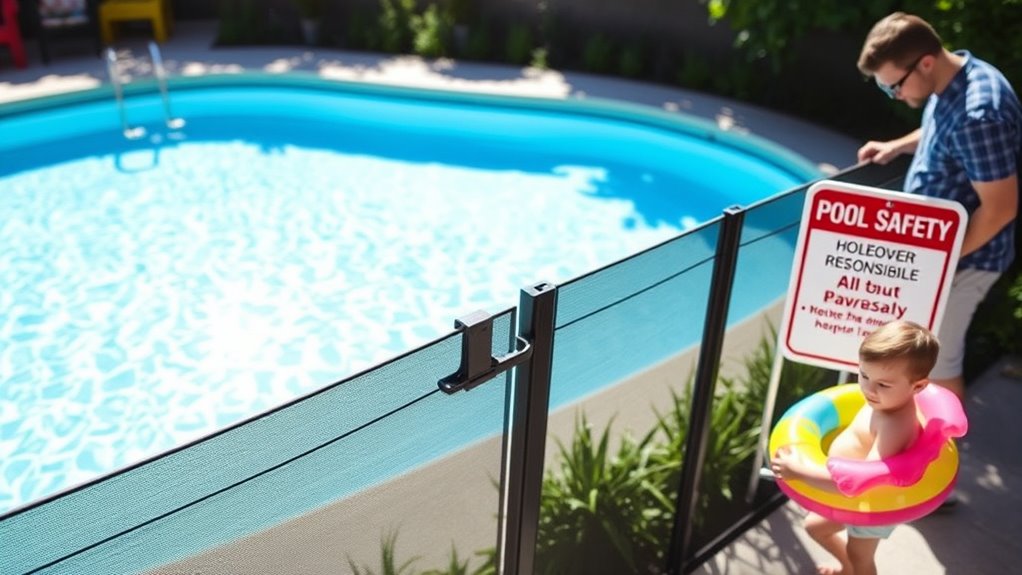
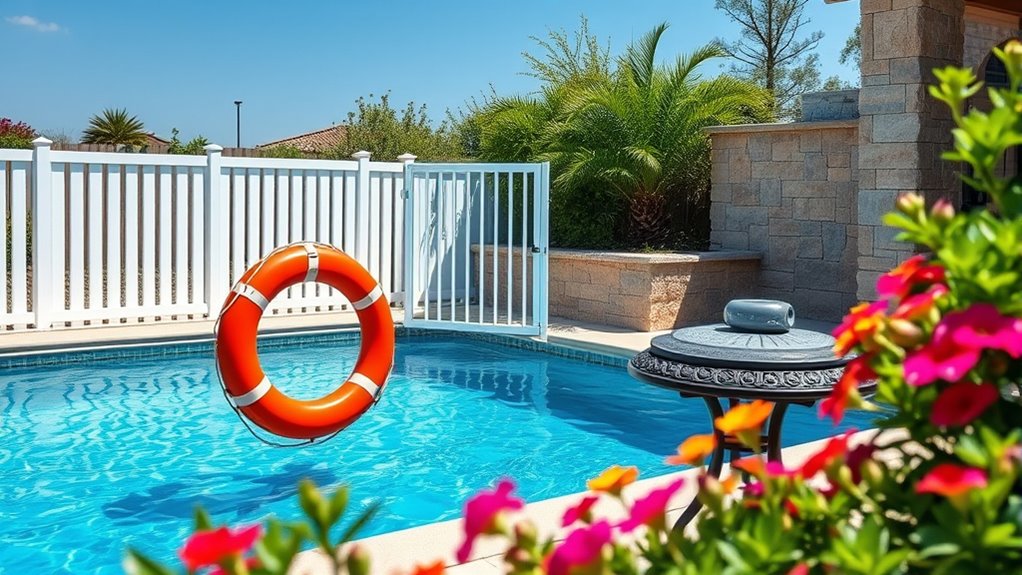
Have you considered what your responsibilities are as a homeowner with a pool? Owning a pool brings immense enjoyment, but it also comes with significant responsibilities, especially regarding pool safety and liability. As a pool owner, you need to prioritize safety measures to prevent accidents and injuries. Implementing proper fencing, secure covers, and safety alarms is essential to keep children and pets safe when the pool isn’t supervised. Regular maintenance of safety equipment, like life rings and pool alarms, is also essential. Remember, neglecting these safety precautions can lead to serious injuries, and you could be held legally responsible if an accident occurs on your property.
Owning a pool requires safety measures to prevent accidents and legal liabilities.
Liability insurance plays an indispensable role in protecting you financially should an accident happen. Standard homeowner’s insurance policies may not fully cover pool-related incidents, so it’s necessary to review your policy carefully. Many insurers require specific safety measures to be in place before providing coverage for pool-related liabilities. By investing in appropriate liability insurance, you guarantee that you’re protected from potential lawsuits or claims that could arise if someone gets injured while using your pool. Proper coverage can help pay for medical expenses, legal fees, and damages, giving you peace of mind.
Understanding that your pool is an extension of your property is key to managing your responsibilities. You’ll need to stay vigilant about maintaining the pool’s cleanliness and safety equipment, such as filters, pumps, and chemical levels. Regular pool inspections are necessary to prevent issues like electrical hazards, water contamination, or equipment failures that could pose safety risks. Staying proactive reduces the chances of accidents and demonstrates your accountability as a homeowner.
Additionally, educating family members and guests about pool safety rules is essential. Make sure everyone knows how to behave around the pool, including no diving in shallow areas and no running near the water. Supervision is critical, especially when children are involved. Also, posting clear safety signs can remind visitors of the rules and help prevent reckless behavior that might lead to injury. Incorporating security measures like surveillance cameras or alarm systems can further enhance safety and provide evidence in case of incidents.

B00BIKTISG
As an affiliate, we earn on qualifying purchases.
As an affiliate, we earn on qualifying purchases.
Frequently Asked Questions
What Safety Equipment Is Legally Required for Pools?
You’re legally required to install pool fencing around your pool to prevent unsupervised access, especially for children. Additionally, safety alarms are essential to alert you if someone enters the pool area unexpectedly. These safety measures help protect everyone and comply with local laws. Keep your pool safe by maintaining proper fencing and functioning alarms, ensuring peace of mind and avoiding potential legal issues.
How Often Should Pool Safety Inspections Be Conducted?
You should conduct pool safety inspections at least twice a year, keeping your finger on the pulse of your pool’s safety. Regular pool maintenance and adherence to safety protocols ensure hazards don’t slip through the cracks. Think of inspections as your safety net—spotting issues early keeps everyone safe. Don’t wait for problems to surface; proactive checks help maintain a secure swimming environment and shield against potential liability.
Are There Specific Liability Laws for Public Pools?
Yes, there are specific liability laws for public pools that you must follow. These laws and public pool regulations are designed to ensure safety and minimize risks. You’re responsible for complying with local, state, and federal standards, including proper maintenance, safety equipment, and supervision. Failing to adhere to these liability laws can lead to legal consequences if someone gets injured, so stay informed and diligent in maintaining safety protocols.
What Are the Penalties for Non-Compliance With Pool Safety Rules?
A stitch in time saves nine, so neglecting pool safety rules can lead to serious penalties. If you ignore requirements like installing proper pool fencing and displaying safety signage, you could face fines, legal action, or even loss of pool privileges. Authorities take safety violations seriously, so make sure you comply promptly. Non-compliance risks not only legal consequences but also endangers lives, making adherence to these rules essential for every pool owner.
How Does Homeowners Insurance Coverage Apply to Pool Accidents?
Your homeowners insurance coverage typically includes liability claims if someone gets injured in your pool. It helps protect you financially by covering medical bills and legal costs if you’re found responsible. However, coverage limits and exclusions may apply, especially if you don’t follow safety rules or fail to maintain your pool properly. Always review your policy and consider additional coverage options to make sure you’re fully protected against pool accidents.
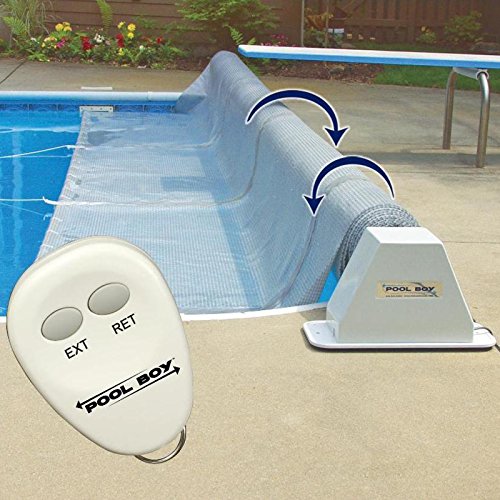
Pool Boy 1 Powered Pool Solar Blanket Reel – Extends and Retracts on The Click of a Button – Works on Inground Pools Up to 20 Feet Wide and 40 Feet Long – Made in The USA – 3 Year Prorated Warranty
Pool Boy I has an adjustable hub from 4"-9" and includes stand covers Pool Boy II has a…
As an affiliate, we earn on qualifying purchases.
As an affiliate, we earn on qualifying purchases.
Conclusion
Understanding your pool liability means balancing enjoyment with responsibility. While the shimmering water offers endless summer fun, neglecting safety can turn those sunny days into costly regrets. You hold the power to protect loved ones and neighbors alike, yet with that power comes the weight of accountability. Embrace your role not just as a homeowner, but as a guardian of safety—because in the quiet moments of vigilance, you truly safeguard your paradise.

Pool Alarm, Floating Pool Safety Alarms for Inground & Above Ground Pools – Loud 110dB Alert, Adjustable Sensitivity, Protection for Kids & Pets (Blue)
Essential Pool Safety Protection for Kids & Pets: Keep your family safe with this floating pool alarm, designed…
As an affiliate, we earn on qualifying purchases.
As an affiliate, we earn on qualifying purchases.

Crazysign Pool Rules Sign Warning Swim At Your Own Risk Vintage Tin Sign for Swimming Pool Water Park Beach Decor 8×12 Inches (3097)
Safety Message: It features a bold and clear message, warning people to swim at their own risk. It…
As an affiliate, we earn on qualifying purchases.
As an affiliate, we earn on qualifying purchases.