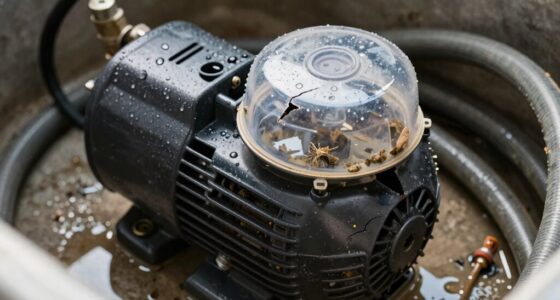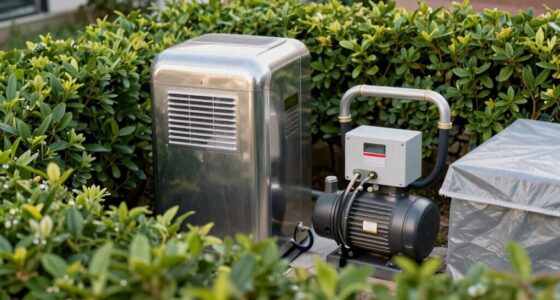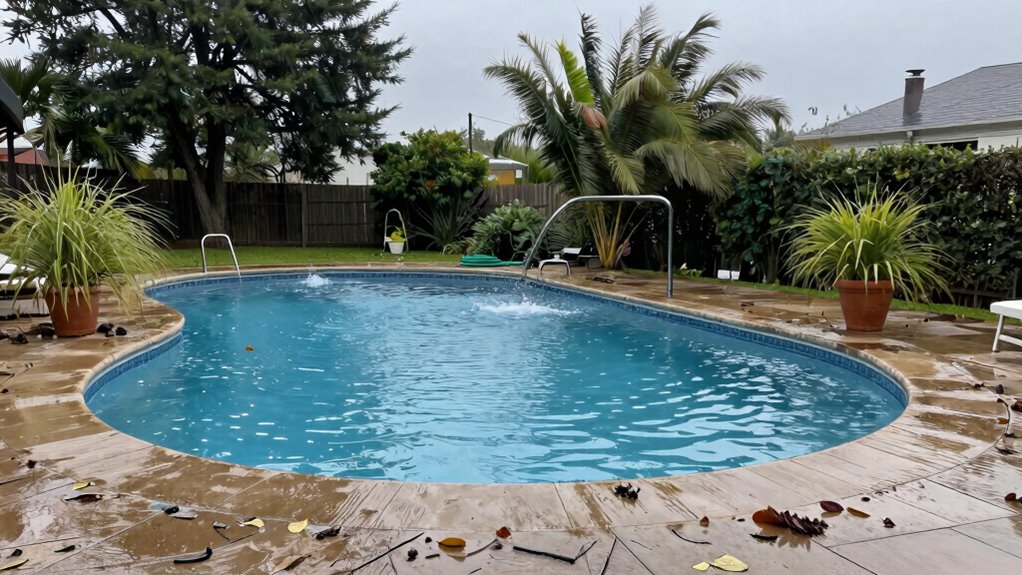

After heavy rain, high wind, or dust storms, you should thoroughly clean your pool by removing debris with a net to prevent clogs. Check and balance the water’s chemistry, adjusting pH and sanitizer levels as needed. Inspect and maintain the filtration system to guarantee it’s working properly. Run the pump and filter for several hours to promote circulation and clarity. Keep up with regular testing and maintenance to keep your pool safe and inviting—there’s more to know about this process.

Get pool and patio gear delivered free — and shop member deals
- Fast, free delivery on millions of items
- Access to Prime Big Deal Days deals on October 6–7
- Prime Video, Amazon Music and more included
Key Takeaways
- Remove large debris and trash promptly to prevent clogging and maintain water circulation.
- Run the pump and filter for several hours to promote proper filtration and debris removal.
- Test and adjust water chemistry, including pH and sanitizer levels, to ensure safe, balanced water.
- Inspect and clean the filtration system regularly to prevent mechanical issues and debris buildup.
- Retest water after adjustments, and ensure water is balanced and safe before allowing swimming.
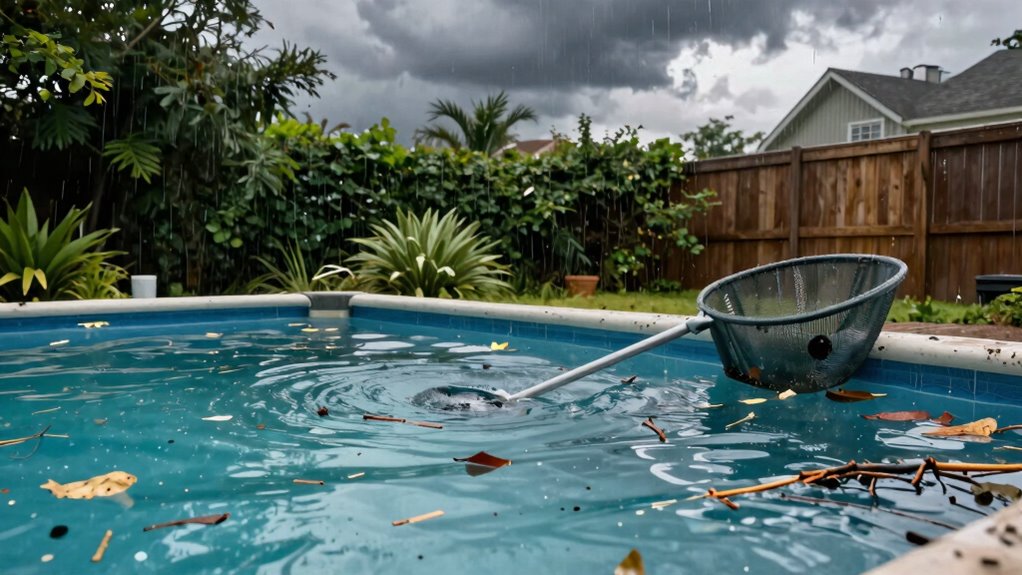
After heavy rain, high winds, or dust storms, your pool can quickly become dirty and unbalanced. You might see leaves, debris, or cloudiness taking over the water, and it’s vital to act swiftly to maintain both pool safety and water quality. First, scan the pool thoroughly for any large debris, such as branches or trash, and remove them with a net. This prevents clogging your skimmer or pump and keeps the water circulating properly. After clearing the big debris, run your pump and filter for several hours to help circulate and clean the water, ensuring pollutants don’t settle and cause algae growth or water imbalance.
Remove large debris and run your pump to keep your pool clean and circulating properly after storms.
Next, check your water chemistry. Heavy rain can dilute chemicals, lowering sanitizer levels and pH, which can compromise pool safety by allowing bacteria and algae to flourish. Conversely, dust and debris can introduce contaminants that throw off your water balance. Use test strips or a liquid test kit to measure pH, chlorine, alkalinity, and other key parameters. Adjust your chemicals accordingly—add chlorine if the sanitizer level is low, and use pH increaser or decreaser to bring levels back into the ideal range of 7.2 to 7.6. Balancing your water chemistry is essential not only for clear, inviting water but also for safe swimming conditions. Poorly balanced water can cause skin irritation, eye discomfort, or damage to your pool equipment. Regularly monitor water chemistry and safety features to ensure your pool remains safe and well-maintained, especially after severe weather events. Additionally, inspecting your pool’s filtration system can prevent future issues caused by debris buildup or mechanical failure. Performing routine maintenance checks can help identify potential problems early and extend the lifespan of your equipment. Proper water circulation is crucial for preventing stagnation and ensuring contaminants are effectively removed, especially after weather disturbances. After everything’s cleaned and balanced, test the water again to confirm that your pool is safe and inviting for swimmers. Regular maintenance after such weather events not only maintains water quality but also safeguards everyone who uses the pool.
As an affiliate, we earn on qualifying purchases.
Frequently Asked Questions
How Soon Can I Safely Swim After a Storm?
You should wait at least 24 to 48 hours after a storm before swimming, allowing the pool to drain and be properly cleaned. Stormwater contamination can introduce bacteria and debris, so it’s essential to run your filter, shock the pool, and brush the surfaces thoroughly. Always test your water’s chemical levels and verify clarity before swimming. These pool safety precautions help prevent health risks from residual pollutants.
Should I Drain or Leave the Pool Full After Heavy Rain?
Did you know that leaving a pool full after heavy rain can dilute chlorine levels by up to 50%? You should avoid draining the pool, as it can lead to structural damage. Instead, keep pool covers on to prevent debris and algae growth. Maintaining proper chemical balance is key, especially after storms, to prevent algae buildup and keep your pool clean and safe for swimming.
How Do I Remove Debris From My Pool Efficiently?
You should start by skimming the pool surface to remove leaves and debris quickly. Use a pool net or a leaf rake for efficiency. Then, run your filter to catch smaller particles, which aids in algae prevention. Regular filter maintenance guarantees debris doesn’t accumulate, keeping your pool clean and clear. This approach minimizes algae growth and maintains water quality after heavy weather events.
Can Stormwater Damage My Pool’s Structure?
Stormwater can damage your pool’s structure if it contains debris, chemicals, or sediment that erode or crack the surface. To prevent this, perform regular pool maintenance and water testing after storms. Check for water imbalance and debris buildup, and address issues promptly. Keeping your pool clean and balanced minimizes the risk of structural damage, ensuring your pool stays safe and in good condition after heavy weather events.
What Chemicals Should I Check or Adjust Post-Storm?
After a storm, you should check your pool’s chemical balance and modify the pH if needed. Stormwater can introduce contaminants, so test your water for proper chlorine levels and alkalinity. If the pH is off, do a quick pH adjustment to prevent algae growth and maintain clarity. Regularly monitoring and balancing chemicals guarantees your pool stays safe, clean, and inviting after heavy weather events.
As an affiliate, we earn on qualifying purchases.
Conclusion
After heavy rain, high winds, or dust storms, it’s essential to give your pool a thorough clean and check for debris or damage. Don’t let small problems snowball into bigger issues—stay vigilant and address them promptly. Remember, a stitch in time saves nine. Keeping your pool well-maintained not only guarantees it’s safe to swim but also prolongs its lifespan, so stay on top of it and don’t let things slide.
As an affiliate, we earn on qualifying purchases.
As an affiliate, we earn on qualifying purchases.
Fall Picks
fall essentials
As an affiliate, we earn on qualifying purchases.