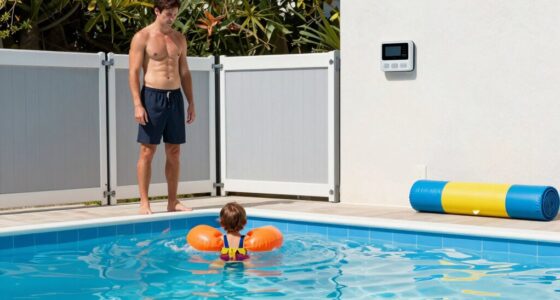

Dry drowning happens when water inhalation causes airway spasms without lung flooding, which can happen even hours after water exposure. To prevent it, stay vigilant around pools, lakes, or baths, always supervise children, and use appropriate safety gear. Recognize early signs like coughing or difficulty breathing and act quickly. Knowing what to do can save lives, and if you keep going, you’ll understand more about keeping yourself and others safe from this silent danger.
Key Takeaways
- Dry drowning occurs when airway spasms or closure prevent water from entering the lungs, often with delayed symptoms.
- Vigilant supervision, proper safety gear, and avoiding distractions around water help prevent dry drowning incidents.
- Rescue should involve reaching or throwing support devices; entering water is risky unless properly trained.
- Immediate medical attention is vital after rescue, especially if symptoms like coughing or difficulty breathing develop later.
- Educating oneself and others about water safety, early signs, and rescue techniques significantly reduces drowning risks.
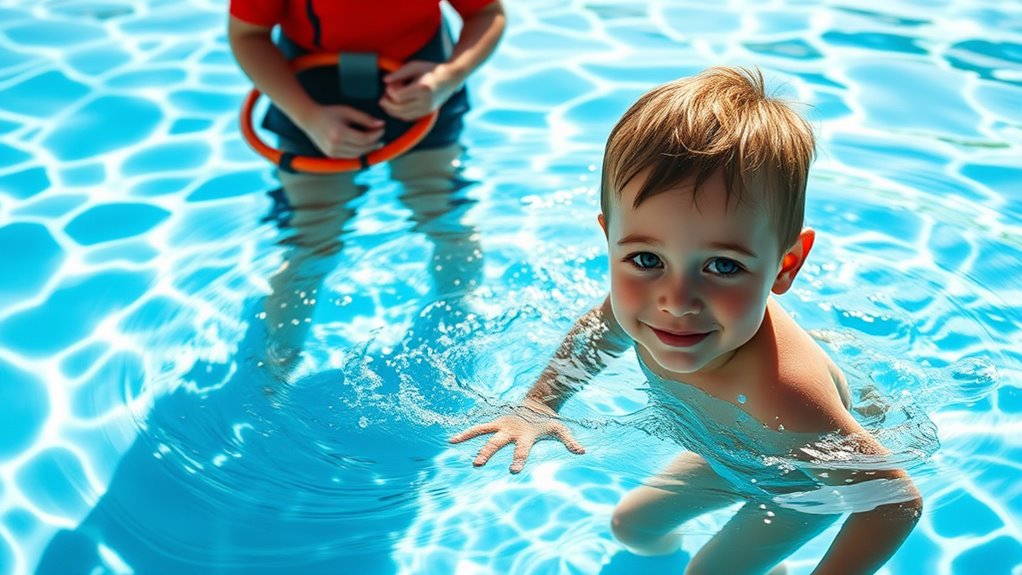
Have you ever heard of dry drowning and wondered what it really is? It’s a term that often causes concern, but understanding it can help you stay prepared and keep others safe. Dry drowning occurs when a person inhales water, but instead of drowning from water filling their lungs, their airway spasms or closes up, preventing water from entering the lungs. This can happen even after they leave the water, sometimes hours later, which makes it particularly alarming. Recognizing the signs early is essential, and that’s where good water safety practices come into play. Knowing how to supervise swimmers effectively and be aware of potential symptoms can make all the difference.
Preventing dry drowning starts with vigilant supervision whenever you’re around water, whether it’s a pool, lake, or even a bathtub. Constant supervision isn’t just about watching; it involves actively paying attention and avoiding distractions like phones or conversations. It’s also necessary to guarantee that children and inexperienced swimmers wear appropriate life jackets, especially in open water, to reduce the risk of accidental inhalation of water. Educating yourself and others about water safety can drastically reduce accidents. It’s equally important to learn rescue techniques that can help you assist someone in distress. Quick, confident action can prevent a minor incident from becoming a tragedy. Knowing how to perform a rescue, such as reaching or throwing assistance rather than entering the water yourself unless necessary, can save lives.
In the event of a water emergency, rescue techniques are imperative. If you see someone struggling, avoid panicking and don’t rush in blindly, as you could put yourself in danger too. Instead, extend a reaching object like a pole or a rope, or throw a floating device if available. If you must enter the water, do so only if you’re trained in water rescue, and aim to support or pull the person to safety without causing additional panic or injury. After rescuing someone, it’s critical to call emergency services immediately and monitor their breathing. Sometimes, the danger isn’t just the initial incident but the delayed symptoms that can develop hours later, such as coughing, difficulty breathing, or chest pain. Additionally, understanding early symptoms of dry drowning can help you respond more effectively and seek urgent medical attention when needed.
Ultimately, understanding dry drowning emphasizes the importance of water safety and rescue techniques. Staying vigilant, educated, and prepared can help you respond quickly and effectively, reducing the risk of severe outcomes. Remember, prevention and prompt action are your best tools in safeguarding yourself and others around water.

SwimWays Marvel Swim Trainer Life Jacket, US Coast Guard Approved Life Vest Kids Swim Vest, Pool Floats & Life Jackets for Kids 33-55 lbs, Spidey
MARVEL SPIDEY THEME: Dive in for a day of fun at the swimming pool and learn to swim…
As an affiliate, we earn on qualifying purchases.
As an affiliate, we earn on qualifying purchases.
Frequently Asked Questions
Can Dry Drowning Occur Without Any Water in the Lungs?
Yes, dry drowning can happen without water in your lungs. It occurs when airway irritation causes your vocal cords to spasm and close, blocking airflow. This leads to respiratory distress, even if no water has entered your lungs. You might experience symptoms like coughing, difficulty breathing, or chest tightness. Recognizing these signs early is essential, so seek medical help immediately if you suspect dry drowning.
What Are the Early Signs of Dry Drowning in Children?
You should watch for subtle behavioral changes like irritability or lethargy, and breathing irregularities such as rapid or labored breathing. If your child shows these signs after swimming or water exposure, seek emergency care immediately. Dry drowning can occur without water in the lungs, so recognizing early signs is vital. Stay alert, monitor their breathing, and act fast if you notice any concerning symptoms to guarantee their safety.
How Soon After Swimming Can Dry Drowning Symptoms Appear?
Dry drowning symptoms can appear within minutes to several hours after swimming, making vigilance essential. You might notice trouble breathing, coughing, or chest pain even after leaving the water. Remember, swimming pool hazards and water safety awareness are critical for preventing these dangers. Keep a close eye on your child’s behavior post-swim, and seek medical help immediately if symptoms develop, as early intervention can be lifesaving.
Are Certain Age Groups More at Risk for Dry Drowning?
You’re more at risk for dry drowning if you’re a young child or elderly, due to age-related susceptibility and developmental factors. Children’s smaller airways and developing immune systems make them more vulnerable, while older adults may have weaker respiratory health. These groups often have a slower or more severe response to water inhalation, increasing the likelihood of dry drowning symptoms appearing later. Always stay vigilant, regardless of age, during water activities.
What Emergency Steps Should Be Taken if Dry Drowning Is Suspected?
If you suspect dry drowning, act quickly. For example, if a child shows difficulty breathing or coughing after swimming, perform emergency response by calling 911 immediately. Follow first aid procedures by keeping them calm, ensuring their airway is open, and providing rescue breaths if needed. Monitor their condition closely until professional help arrives. Prompt action can be lifesaving, so don’t hesitate to seek emergency medical attention.

12 FT Telescopic Swimming Pool Safety Hook Pole. Adjustable Lightweight Aluminum Telescoping .Non Slip Handle for Emergency Life Saving Rescue Water Drowning
【Telescopic Pool Rescue Pole With Loop】:The product origin length is 5.6 feet and elongates by 11.8 feet, providing…
As an affiliate, we earn on qualifying purchases.
As an affiliate, we earn on qualifying purchases.
Conclusion
So, next time you’re at the pool, remember that dry drowning isn’t just a fancy term for occasional water splashes. It’s a silent, sneaky threat that loves to crash your aquatic party uninvited. Stay vigilant, keep a close eye on swimmers, and don’t dismiss that little cough as just “something in the air.” After all, who knew that a quiet nap in the water could turn into a real splash of danger? Stay safe, and don’t let dry drowning steal your thunder.
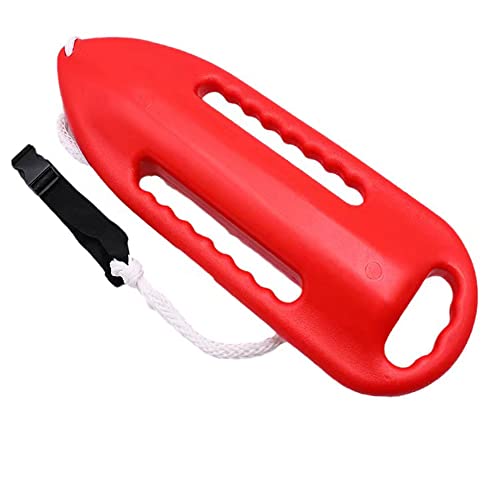
Beiruoyu 3 Handle Rescue Can Swimming Float Rescue Buoy 220N for Water Life Saving Safe Swim Training Swim Buoy Safety Float with Adjustable Waist Belt
✅【Quality】 This lifeguard floatation device is made from the highest grade polyethylene which will resist exposure to the…
As an affiliate, we earn on qualifying purchases.
As an affiliate, we earn on qualifying purchases.

WELL-STRONG Waterproof First Aid Kit 226PCS Marine Boat Safety Kit, Medical Emergency Kit with Roll Top Closure & Buckle for Kayaking Fishing Boating Outdoor
Comprehensive 226-Piece Emergency Kit For Ultimate Safety: This first aid kit includes 226 essential medical items meticulously organized…
As an affiliate, we earn on qualifying purchases.
As an affiliate, we earn on qualifying purchases.