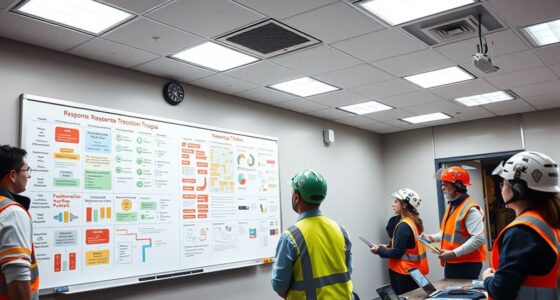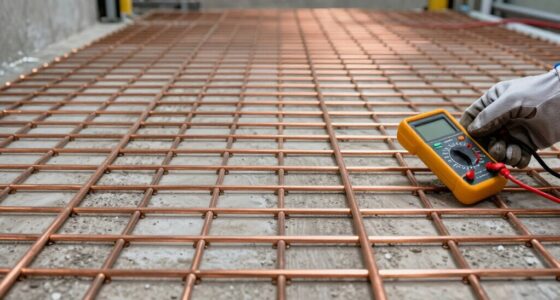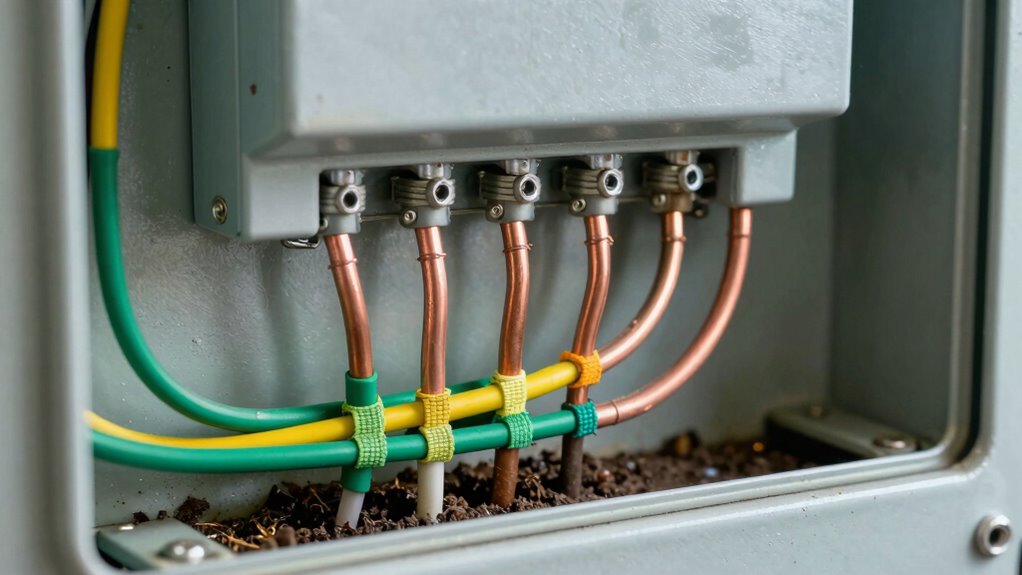

Bonding and grounding are both essential for electrical safety, but they serve different purposes. Bonding connects conductive parts together, ensuring they stay at the same electrical potential and preventing shocks during faults. Grounding, on the other hand, provides a direct path for fault current to escape safely into the earth, helping protect you and your equipment. Understanding how these systems work together can make a big difference—if you want to get the full picture, keep exploring.

Get pool and patio gear delivered free — and shop member deals
- Fast, free delivery on millions of items
- Access to Prime Big Deal Days deals on October 6–7
- Prime Video, Amazon Music and more included
Key Takeaways
- Bonding connects conductive parts to ensure they stay at the same electrical potential, preventing shock hazards.
- Grounding provides a direct path for fault current to safely dissipate into the earth.
- Bonding maintains electrical continuity; grounding stabilizes voltage levels and enhances safety.
- Faults in bonded systems help circuit protectors trip quickly; grounding reduces dangerous voltage buildup.
- Both systems work together to prevent shocks, fires, and equipment damage in electrical installations.
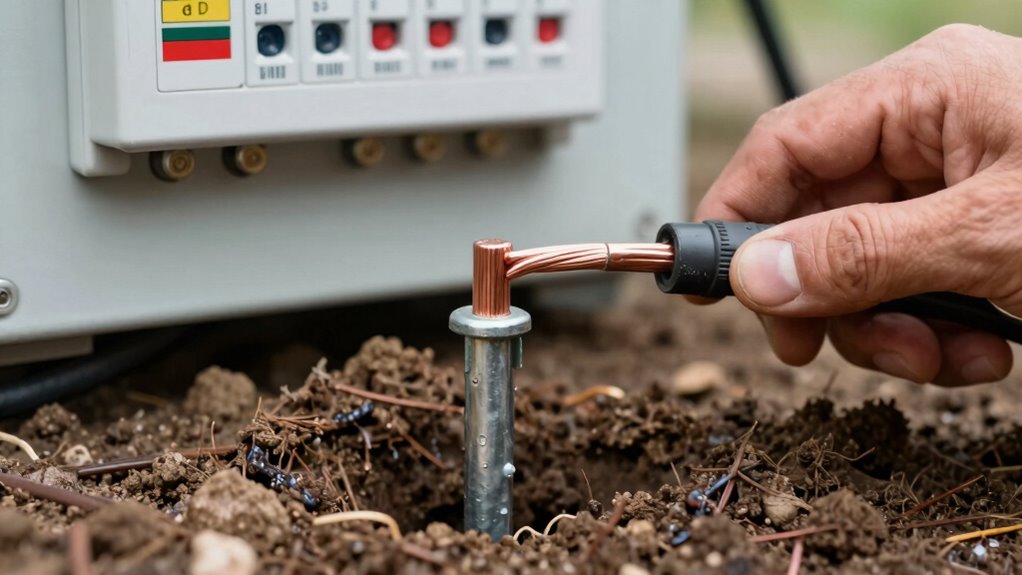
Understanding the difference between bonding and grounding is fundamental for safeguarding electrical safety in any setup. While these terms are often used interchangeably, they serve distinct functions that are essential for protecting you and your property. Bonding involves connecting conductive parts together to create a continuous electrical path, which helps manage fault current and maintain electrical continuity throughout the system. Grounding, on the other hand, connects certain parts of the electrical system directly to the earth, providing a safe path for fault current to dissipate into the ground. This distinction can seem subtle but is critical for preventing electrical shocks and fires. Proper electrical safety practices include understanding and correctly implementing both bonding and grounding systems to ensure comprehensive protection.
When you properly bond conductive components—such as metal enclosures, conduit, and other metallic parts—you guarantee that they stay at the same electrical potential. This uniformity minimizes the risk of electric shock if a fault occurs. For example, if a live wire touches an unbonded metal box, the metal could become energized, creating a dangerous shock hazard. Bonding ensures that in such scenarios, the fault current has a clear, low-resistance path back to the source, allowing protective devices like circuit breakers to detect the fault quickly and shut off power. Without good electrical continuity through bonding, fault currents can be insufficiently high or unpredictable, delaying the disconnection and increasing the risk of injury or fire. Ensuring proper bonding techniques is crucial for maintaining system safety and effectiveness. Additionally, proper bonding can help prevent damage to sensitive electronic equipment by stabilizing voltage levels.
Grounding plays a different but equally important role. It provides a reference point for the entire electrical system and a safe route for fault current to flow directly to the earth in case of a fault. This helps guarantee the system remains stable and reduces potential differences that could cause shocks. In the event of a fault, the fault current travels along the grounding path, triggering circuit protection devices to trip promptly. Proper grounding also helps stabilize voltage levels and prevents damage to equipment. Effective grounding is crucial for ensuring that fault currents are safely directed into the earth, preventing dangerous voltage buildup and potential hazards. Without a proper grounding system, even a well-bonded setup can become unsafe, as fault current may seek alternative, potentially hazardous paths.
In essence, bonding creates a continuous, low-resistance path for fault current within the electrical system, ensuring electrical continuity and safety. Grounding directs that fault current safely into the earth, helping to protect people and equipment. Both are essential components of a safe electrical setup, but they serve different roles that complement each other. Understanding these differences helps you design and maintain safer electrical systems, reducing risks and guaranteeing that when faults happen, they’re handled swiftly and effectively. Proper system design that incorporates both bonding and grounding is vital for comprehensive electrical safety.
As an affiliate, we earn on qualifying purchases.
Frequently Asked Questions
Can Bonding and Grounding Be Used Interchangeably?
You can’t use bonding and grounding interchangeably because electrical code and safety standards specify their distinct roles. Bonding creates a conductive path to guarantee all metal parts are at the same potential, preventing shocks. Grounding directs fault currents safely into the earth. Using them interchangeably risks safety violations and electrical hazards. Always follow the electrical code and safety standards to properly bond and ground your electrical system for maximum safety.
What Are Common Mistakes in Wiring Bonding and Grounding?
You often make wiring mistakes with bonding and grounding, especially when installing surge protection or protecting against lightning strikes. Common errors include not properly bonding metal parts to create a continuous path, which can cause dangerous voltage differences. Also, grounding might be improperly connected or insufficient, reducing safety. Always guarantee proper bonding of conductive parts and correct grounding practices to prevent damage or injury during electrical surges or lightning events.
How Do Bonding and Grounding Affect Electrical System Performance?
Bonding and grounding improve your electrical system by providing a reliable fault current path and voltage stabilization. For example, if a wire touches a metal appliance, proper bonding guarantees fault current flows safely to the ground, preventing shocks. Grounding stabilizes voltage levels, reducing surges. Without these, your system risks inefficiency and safety hazards, as faults may not clear quickly. Proper bonding and grounding enhance both performance and safety.
Are Bonding and Grounding Required in Residential Wiring?
Yes, bonding and grounding are required in residential wiring to meet electrical code requirements. These practices help prevent safety hazards by providing a safe path for fault current, reducing the risk of electric shock, and protecting electrical devices. You should guarantee proper bonding and grounding to maintain safety, comply with codes, and prevent potential electrical failures. Always follow local regulations and consult a professional if you’re unsure.
What Materials Are Best for Bonding and Grounding Connections?
You should choose copper or copper-coated materials for bonding and grounding connections because they offer excellent material compatibility and corrosion resistance. Copper’s durability ensures reliable electrical contact over time, minimizing risks. Using approved conductors like copper wire or grounding rods made from corrosion-resistant metals guarantees safety and longevity. Avoid cheaper or incompatible materials that may corrode or fail, compromising your system’s safety and effectiveness.
grounding wire for electrical panel
As an affiliate, we earn on qualifying purchases.
As an affiliate, we earn on qualifying purchases.
Conclusion
Understanding the difference between bonding and grounding is essential for electrical safety. While they work hand in hand, each has a distinct role in protecting you from electrical faults. Don’t let the confusion trap you; knowledge is power. Remember, it’s better to be safe than sorry—playing it by ear can be costly. When in doubt, consult a professional to keep your electrical system safe and sound.
As an affiliate, we earn on qualifying purchases.
As an affiliate, we earn on qualifying purchases.
Fall Picks
fall essentials
As an affiliate, we earn on qualifying purchases.