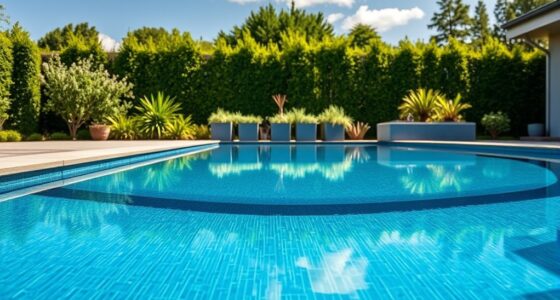
To prevent leaks in your water feature under pressure, choose sealants that are flexible, durable, and pressure-resistant, like polyurethane, epoxy, or specialized waterproof sealants with UV and chemical resistance. Proper surface prep—cleaning, repairing cracks, and drying—ensures effective adhesion. Applying sealant carefully and allowing full curing time is essential. For long-term success, maintain your feature regularly and address issues early. Keep going to discover more tips for long-lasting, leak-free water features.
Key Takeaways
- Use pressure-resistant sealants like polyurethane, epoxy, or specialized waterproof products for effective leak prevention.
- Ensure proper surface prep by cleaning, drying, and repairing cracks before applying sealants.
- Select sealants compatible with water type (fresh, salt, treated) to withstand chemical and environmental stresses.
- Allow sufficient curing time and follow manufacturer instructions for long-lasting, flexible sealing under pressure.
- Perform regular inspections and maintenance to identify early leaks and reapply sealant as needed.

Polar Invisible Waterproof Sealer Clear – 2 x 20 Fl Oz | Instant Waterproof Sealant for Fabric, Concrete, Brick, Wood & Masonry | Long Lasting Protection for Interior & Exterior Surfaces
Instant Waterproof Protection: Polar Invisible Waterproofing Sealer provides instant waterproofing for various materials, ensuring excellent durability and effective…
As an affiliate, we earn on qualifying purchases.
As an affiliate, we earn on qualifying purchases.
Why Do Water Features Leak, and How Can You Prevent It?
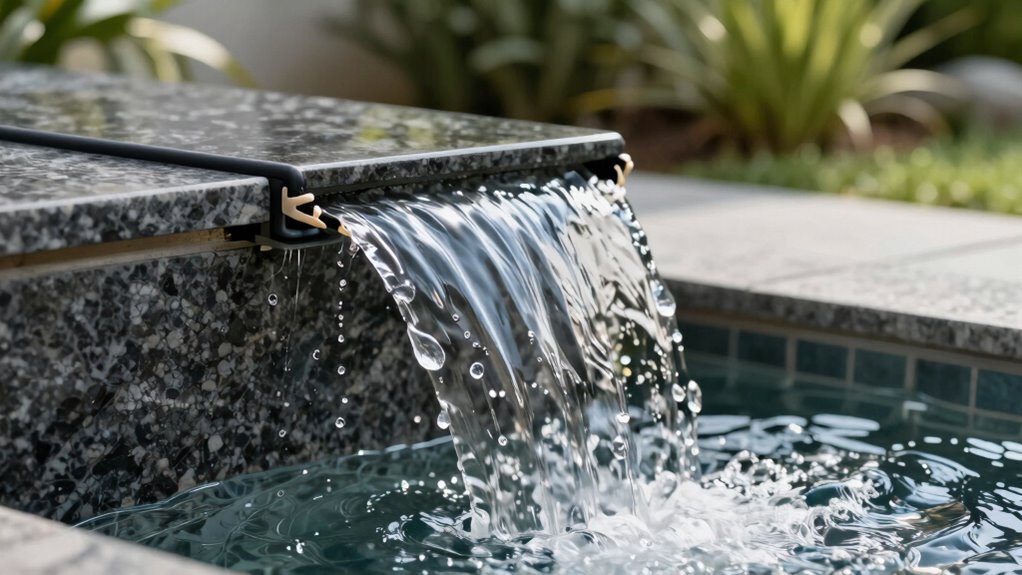
Water features can develop leaks for several reasons, often stemming from improper installation, aging materials, or environmental factors. Poor water circulation can cause uneven pressure, stressing seals and joints, leading to leaks. If the pump isn’t running efficiently, it can create excess strain on the system, increasing the risk of cracks or leaks. Over time, debris buildup or mineral deposits can weaken the structure, especially around pump areas. Additionally, pressure fluctuations caused by inconsistent water flow can exacerbate existing weaknesses and lead to leaks. To prevent leaks, guarantee proper installation with secure fittings and good water circulation to maintain even pressure. Regularly check and maintain your pump’s efficiency, as a well-functioning pump reduces stress on the entire system. Keeping the feature clean and monitoring for early signs of wear can also help you catch issues before they become major leaks. Understanding system pressure and how it impacts your water feature can further help in preventing leaks and ensuring longevity. Additionally, selecting appropriate sealing materials that are designed to withstand pressure variations can significantly improve durability and leak resistance.
![[Black] 3oz Marine Adhesive Sealant 5200 Fast Cure - Permanent, Watertight Bonding and Sealing - UV Resistant, Above & Below Waterline- for Boats, Hulls, Decks & RVs,Pond Sealant](https://m.media-amazon.com/images/I/41BDwk9k5bL._SL500_.jpg)
[Black] 3oz Marine Adhesive Sealant 5200 Fast Cure – Permanent, Watertight Bonding and Sealing – UV Resistant, Above & Below Waterline- for Boats, Hulls, Decks & RVs,Pond Sealant
1. PROFESSIONAL-GRADE PERFORMANCE: Trust the adhesive that delivers a permanent, watertight bond for fiberglass, gelcoat, and wood. Perfect…
As an affiliate, we earn on qualifying purchases.
As an affiliate, we earn on qualifying purchases.
What Factors Should You Consider When Choosing Sealants for Water Features?

When selecting sealants for your water feature, you need to contemplate how well they work with the type of water you’re using. Durability and longevity are also key, so your sealant can withstand constant exposure and wear. Additionally, think about how easy it is to apply and maintain the sealant to keep your water feature leak-free over time. Considering effective home soundproofing tips can also inspire innovative ways to minimize noise from your outdoor water features. Being aware of the must-see destinations can also enhance your overall outdoor design and ambiance, creating a more enjoyable environment. It’s equally important to choose a sealant that can handle pressure conditions, ensuring your water feature remains sealed even under fluctuating water levels and pressure. A compatibility with diverse sealing materials can help improve overall effectiveness and prevent future leaks, making your sealing solution more reliable over time.
Compatibility With Water Types
Choosing the right sealant for your water feature depends heavily on the type of water it contains, as different water types can interact differently with various materials. Water chemistry plays a significant role, especially if your water has high mineral content or fluctuates in pH levels. Mineral deposits can accumulate and weaken sealants over time, so selecting a compatible material is vital. Consider these factors:
| Water Type | Sealant Compatibility | Common Concerns |
|---|---|---|
| Fresh Water | Generally compatible; check for pH stability | Mineral buildup, algae |
| Salt Water | Needs waterproof, salt-resistant sealants | Corrosion, mineral deposits |
| Treated Water | Use non-toxic, chemical-resistant sealants | Chemical interactions |
Understanding the corrosive effects of different water types can help in selecting the most durable sealing materials. Additionally, selecting sealants with chemical resistance ensures better performance in environments with treated water.
Durability and Longevity
Since durability and longevity are essential for maintaining your water feature’s integrity, it’s important to select sealants that can withstand environmental stresses over time. Look for sealants with strong chemical resistance to handle exposure to water, algae, and cleaning agents without degrading. UV stability is equally vital, as prolonged sunlight can break down inferior materials, causing cracks or leaks. A high-quality sealant will maintain its flexibility and adhesion despite temperature fluctuations and weather conditions. Prioritizing these factors ensures your water feature stays leak-free longer and reduces the need for frequent repairs. Choosing a sealant specifically formulated for outdoor use and resistant to UV rays and chemicals will give you peace of mind and extend the lifespan of your investment. Additionally, selecting weather-resistant sealants ensures better performance under harsh environmental conditions. Moreover, considering environmental durability helps ensure that the sealant performs well in various climate zones. Investing in sealants with outdoor durability can further enhance the long-term performance of your water feature. When selecting sealants, pay attention to flexibility retention to accommodate temperature changes without cracking. It’s also beneficial to choose products with long-lasting adhesion to maintain a secure seal over time.
Application and Maintenance
Selecting the right sealant for your water feature involves considering how easy it is to apply and maintain over time. You want a sealant compatible with aquarium filtration systems and capable of handling ongoing water circulation without degrading. Proper application ensures a seamless, waterproof barrier that withstands pressure and movement. Follow manufacturer instructions carefully, preparing surfaces thoroughly for *ideal* adhesion. Regular maintenance is *essential*—inspect seals periodically for cracks or wear, especially if your water feature has high water flow. Using sealants that resist algae buildup and are easy to clean simplifies upkeep. Additionally, choose products that won’t leach harmful chemicals into the water, safeguarding aquatic life and water quality. It’s also important to select sealants that are resistant to algae buildup, which can help maintain clarity and reduce cleaning frequency. Incorporating pressure-resistant materials ensures your sealant can handle the dynamic forces within your water feature. To further enhance durability, consider sealants with long-lasting properties that maintain their integrity over time. Proper application and routine maintenance extend the lifespan of your sealant and keep your water feature leak-free. Additionally, selecting sealants with UV resistance can prevent degradation caused by sun exposure, prolonging their effectiveness.

Invisible Liquid Waterproof Adhesive, Water-Based Transparent Waterproof Agent, Anti-Leakage Waterproof Sealant, Indoor & Outdoor Waterproof Coating (10.5oz)
ATTRACTIVE AND DURABLE: Our invisible waterproof adhesive is long lasting and effectively solves leakage problems. This sealant not…
As an affiliate, we earn on qualifying purchases.
As an affiliate, we earn on qualifying purchases.
Which Sealants Work Best to Withstand Water Pressure and Exposure?
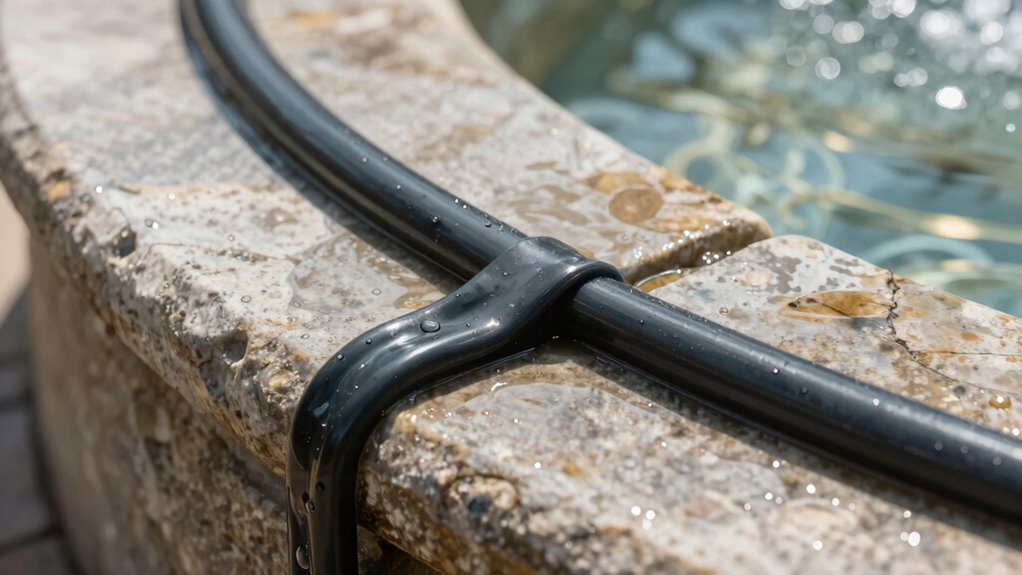
When it comes to sealing water features, not all sealants are created equal in handling water pressure and exposure. Polyurethane sealants stand out because they remain flexible and adhere well to various surfaces, making them ideal for dynamic water environments. They resist cracking and can handle continuous water contact, ensuring long-lasting seals. Epoxy adhesives are also highly effective, especially for repairs requiring strong, waterproof bonds on concrete or stone surfaces. They provide excellent resistance to water pressure and chemical exposure. Both materials excel at maintaining integrity under constant water flow and pressure, but polyurethane sealants are generally easier to apply and more forgiving of movement. Choosing the right sealant depends on your specific feature’s needs, but polyurethane and epoxy are among the top options for durability and water resistance.
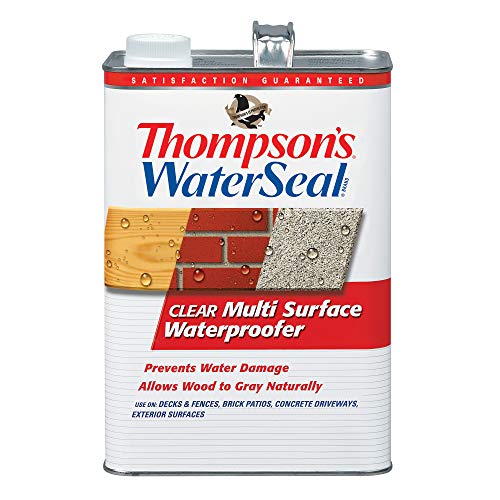
Thompson’s WaterSeal Multi-Surface Waterproofer Stain, Clear, 1 Gallon
WATERPROOFING STAIN – Bring out the beauty of your outdoors with Thompson’s WaterSeal Clear Multi-Purpose Waterproof Stain. Proven…
As an affiliate, we earn on qualifying purchases.
As an affiliate, we earn on qualifying purchases.
How Do You Properly Apply Sealants for a Leak-Free Water Feature?
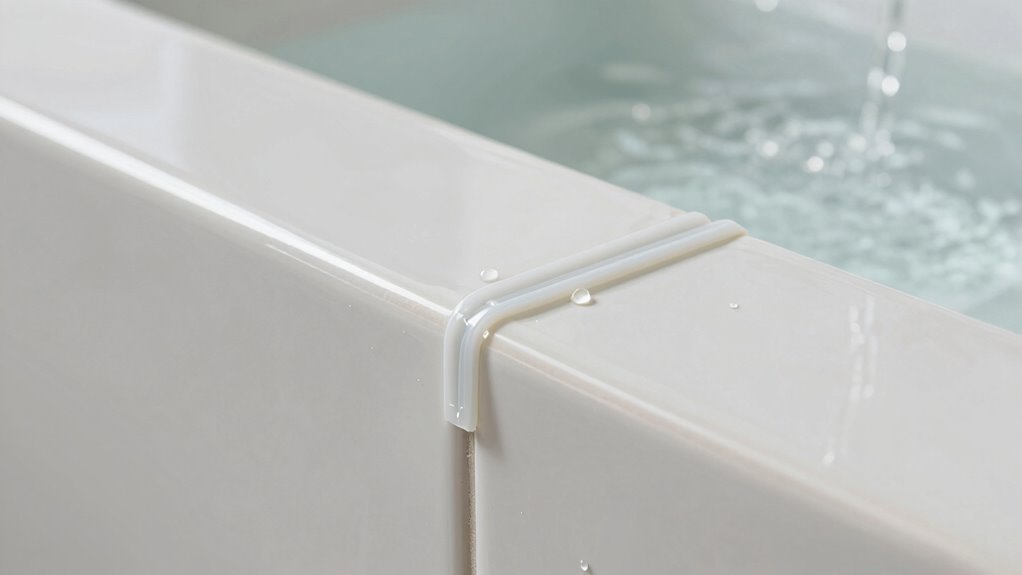
To guarantee your water feature stays leak-free, start with proper surface preparation by cleaning and drying the area thoroughly. Next, apply the sealant evenly, making sure to follow the manufacturer’s instructions for best adhesion. Finally, allow adequate curing time and perform regular maintenance to keep your sealant effective over time.
Surface Preparation Techniques
Proper surface preparation is essential to guarantee your sealant adheres effectively and creates a leak-proof water feature. Start by thoroughly cleaning the surface to remove dirt, algae, and debris, ensuring a solid bond. Next, inspect for any damage and repair cracks or chips before proceeding. Applying a waterproof membrane can provide an extra layer of protection, especially in high-pressure areas. Be sure to dry the surface completely, as moisture can compromise adhesion. Finally, smooth out rough patches and remove any loose particles. This careful preparation ensures the surface is primed for sealing, reducing the risk of future leaks. Remember, a clean, dry, and well-prepared surface is the foundation of a durable, leak-free water feature.
Correct Sealant Application
Applying sealant correctly is essential to guaranteeing your water feature remains leak-free. First, verify the surface is clean and dry. Apply the sealant evenly, avoiding gaps or bubbles, and follow manufacturer instructions for thickness. Use a putty knife or applicator for precision. After sealing, monitor for any signs of leaks, which may require sealant reapplication. Regular inspections help with leak detection and ensure the seal stays intact. Proper application prevents future problems and extends the life of your water feature.
| Step | Tip | Tool Needed |
|---|---|---|
| Surface Cleaning | Remove dirt and moisture | Cloth, scraper |
| Sealant Application | Apply in a continuous, even layer | Caulking gun, applicator |
| Inspection | Check for gaps or bubbles | Visual check |
| Reapplication | Re-seal if leaks occur | Sealant, applicator |
Curing and Maintenance
Have you allowed sufficient time for the sealant to cure properly? Proper curing ensures your water feature remains leak-free and maintains its design integrity. During this period, avoid disturbing the sealant or turning on the pump, as premature pressure can compromise the bond. After curing, perform regular maintenance to preserve the sealant’s effectiveness and aesthetic integration. Key steps include:
- Check for signs of wear or cracks periodically
- Clean the surface gently to avoid damaging the sealant
- Reapply or touch up sealant when necessary to address small leaks
- Protect the area from harsh weather that can degrade the sealant over time
Following these guidelines helps sustain your water feature’s visual appeal and prevents future leaks, ensuring it remains a beautiful, functional part of your landscape.
How Can You Troubleshoot and Fix Sealant Failures?
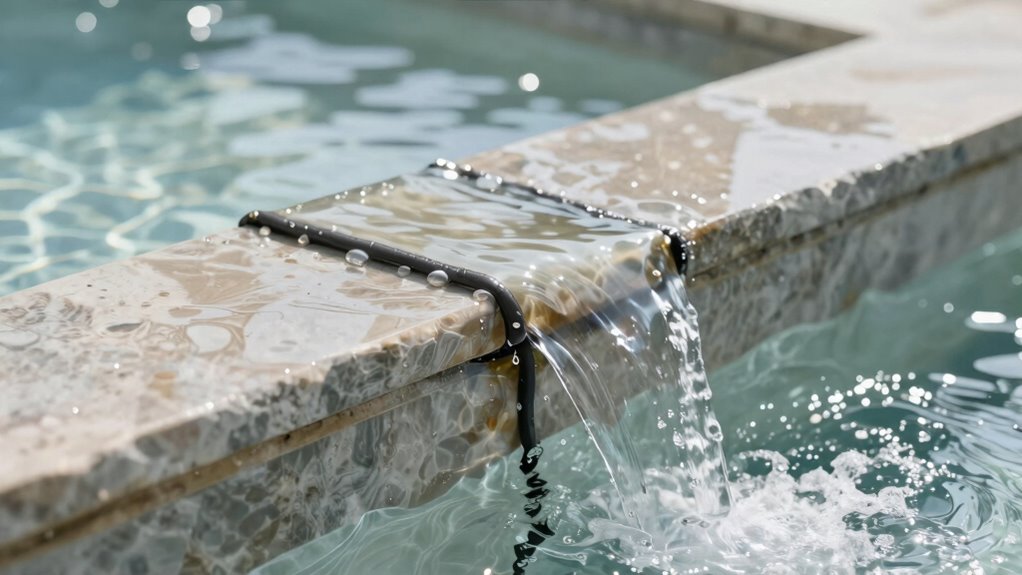
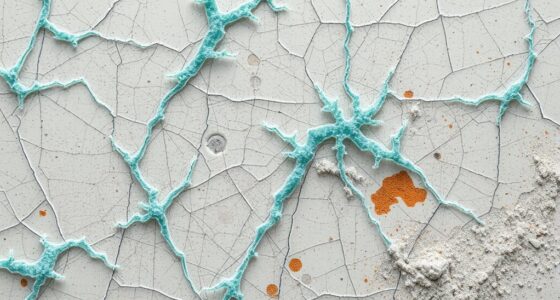
Sealant failures are a common cause of leaks in water features, but identifying the problem early can save you time and money. Start by inspecting the sealant for signs of degradation, such as cracking, peeling, or shrinking. Look for areas where joint movement may have caused stress, leading to separation or gaps. To troubleshoot effectively, consider these factors:
| Issue | Solution |
|---|---|
| Sealant cracking | Remove old sealant, then reapply with a flexible, pressure-resistant product |
| Peeling or shrinking | Clean surface thoroughly before resealing |
| Gaps or separation | Use a compatible sealant designed for movement |
| Discoloration | Replace with UV-resistant sealant |
| Continuous leaks | Check for underlying structural issues |
Properly diagnosing sealant degradation and accommodating joint movement guarantees a long-lasting fix.
What Maintenance Tips Help Prevent Future Leaks?
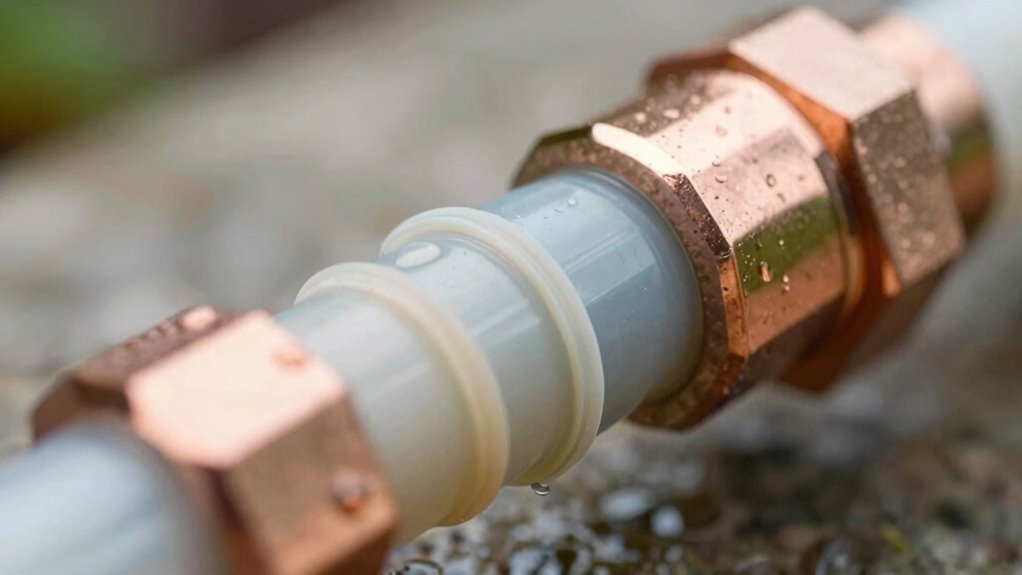
Are you looking for simple ways to prevent leaks in your water feature? Regular maintenance is key. Keep pests like insects and rodents away to avoid damage to seals and wiring. Proper plant maintenance also matters—trim overgrown plants that could interfere with the structure or trap debris. Additionally, inspect your water feature periodically for cracks or loose fittings. Here are some tips:
- Seal any small cracks promptly to prevent water escape
- Clean filters and pumps regularly to avoid blockages
- Remove debris and algae that may cause damage over time
- Monitor plants and prune as needed to prevent overgrowth
Implementing these steps helps ensure your water feature remains leak-free and functions smoothly, saving you time and costly repairs down the line.
Frequently Asked Questions
How Often Should Sealants Be Inspected and Replaced in Water Features?
You should examine your water feature’s sealant at least once every 6 to 12 months, depending on the sealant’s lifespan and exposure to weather. Regular inspections help identify cracks or deterioration early, so you can replace the sealant before leaks develop. Keep an eye out for signs of wear, and don’t wait too long to reapply, as timely maintenance ensures your water feature remains watertight and functioning properly.
Are There Eco-Friendly Sealants Suitable for Water Features?
Sure, eco-friendly sealants exist, but don’t expect them to be miracle workers. You can opt for biodegradable options and plant-based sealants—they’re gentle on the environment, after all. Just remember, nature’s version might not last as long under pressure. If you’re okay with frequent check-ins and reapplications, these green choices are perfect. Otherwise, brace for the occasional eco-friendly compromise in your quest for leak-free serenity.
Can Sealants Be Used on Existing Leaks Without Draining the Water?
Yes, you can use sealants on existing leaks without draining your water feature. Apply a flexible, waterproof sealant directly over the leak to save water and time. It’s essential to contemplate drainage alternatives that can help manage water during repairs. For best results, choose a sealant with good longevity under pressure, ensuring your water feature stays leak-free longer. Always follow manufacturer instructions for proper application and durability.
What Are the Signs Indicating Sealant Failure Before a Leak Occurs?
You should watch for common signs like decreased water pressure, unexplained water loss, or wet spots around your feature as early warnings of sealant failure. Cracks or peeling surfaces also indicate potential issues before leaks occur. Staying alert to these signs helps you catch problems early, allowing you to reseal or repair before a major leak develops, saving you time and costly repairs later.
Do Different Water Feature Materials Require Specific Sealing Techniques?
Like trying to fit a key into the wrong lock, mismatched materials and sealing techniques can cause leaks. You need to choose sealing techniques that suit each water feature material, ensuring compatibility. For example, concrete requires flexible sealants, while plastics need specific adhesives. Understanding material compatibility helps you apply the right sealing techniques, preventing leaks and prolonging your water feature’s lifespan. Always match your sealant to your material for the best results.
Conclusion
By choosing the right sealant and applying it correctly, you can keep your water feature leak-free for years. Regular inspections and maintenance are key to catching issues early. Are you ready to enjoy a beautifully flowing water feature without the stress of leaks? With the right materials and care, your outdoor oasis will stay pristine and vibrant, providing you with peace of mind and a stunning focal point for your space.