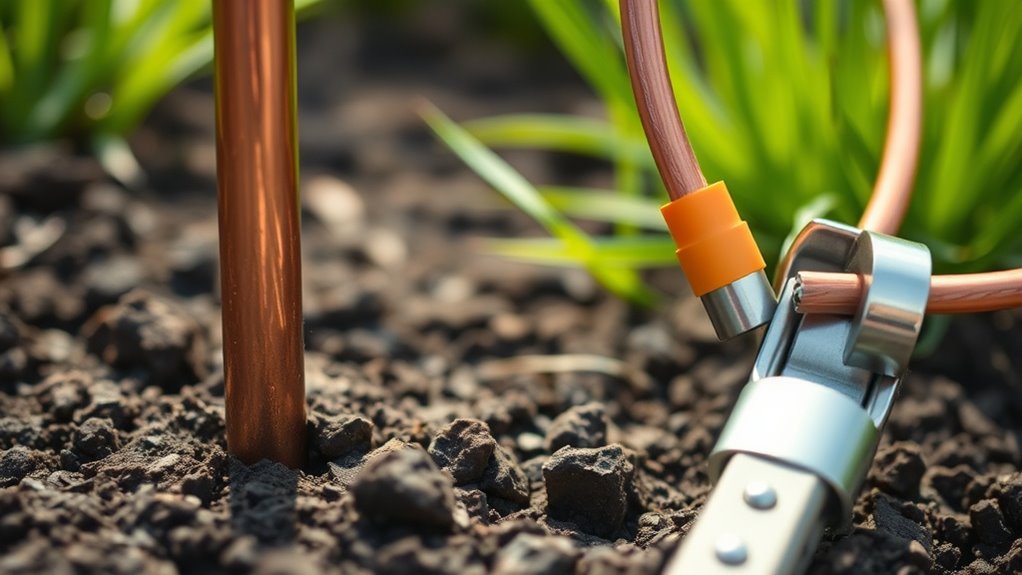

Bonding and grounding both play crucial roles in electrical safety, but they serve different purposes. Bonding creates a common path that connects non-current-carrying metal parts to guarantee they stay at the same potential, reducing shock risks. Grounding, on the other hand, safely directs excess electrical energy into the earth to prevent dangerous buildup. Understanding how these two work together helps protect your home and equipment. Keep exploring to learn more about how they keep your systems safe and compliant.
Key Takeaways
- Bonding connects non-current-carrying metal parts to ensure equal electrical potential, preventing shocks.
- Grounding directs excess electrical energy safely into the earth, protecting against voltage buildup.
- Bonding creates a continuous conductive path; grounding provides a low-resistance path to earth for fault currents.
- Both are mandated by electrical codes to enhance safety and prevent electrical hazards.
- Together, bonding and grounding work to reduce shock risks, fires, and equipment damage.

Have you ever wondered what the difference is between bonding and grounding? While they both play critical roles in electrical safety, they serve distinct purposes and are often misunderstood. Understanding these differences helps you guarantee your electrical system is safe, compliant, and reliable. Bonding involves connecting metal parts that don’t normally carry current to create a continuous electrical path. Its main goal is to make certain that all conductive surfaces are at the same electrical potential, preventing dangerous voltage differences that could cause shocks. For example, bonding the metal parts of appliances, pipes, or equipment ensures that if a fault occurs, the current has a safe path to ground, reducing the risk of electric shock. It’s a protective measure that works in conjunction with fuses or circuit breakers to trip and cut off power before someone gets hurt. Grounding, on the other hand, directs excess electrical energy securely into the earth. It’s like creating a safe escape route for stray currents, lightning strikes, or other electrical faults. When a fault happens, grounding provides a low-resistance path to the earth, allowing the system to quickly detect the issue and trigger safety devices. This prevents dangerous voltage levels from building up and protects both people and equipment from potential damage.
You should think of bonding as establishing a common reference point for all metal parts, ensuring they’re at the same potential and reducing shock hazards. Grounding acts more like a safety valve, redirecting unwanted electrical energy into the earth to prevent dangerous buildup. While they serve different purposes, bonding and grounding often work together within an electrical system to maximize safety. For example, in a residential setting, the metal water pipe is bonded to the grounding system, creating a continuous path that ensures any fault current flows safely back to the panel and trips the breaker. Without proper bonding, a metal pipe could become energized if the hot wire touches it, creating a shock risk. Without proper grounding, lightning strikes or faults might cause dangerous voltage levels, increasing the risk of fires or electrocution.
Both processes are mandated by electrical codes and standards because they are vital for safety. Proper bonding and grounding protect you from electric shocks, prevent fires, and safeguard your appliances. In essence, bonding keeps everything at the same potential, while grounding ensures excess energy safely leaves the system. Recognizing their roles helps you appreciate why electricians prioritize these procedures during installations and repairs. By understanding this electrical safety duo, you can better maintain your system, prevent hazards, and ensure the safety of everyone in your home or workplace.

2PCS Split Bolt Connector Superior Strength Split Bolt Connector Copper Grounding Clamps for Completing Ground Bonding to Bare Wires TJ-16
- High Mechanical Strength: Ensures strong, low-resistance connections
- Superior Conductivity: Provides excellent electrical performance
- Corrosion-Resistant Copper Alloy: Ensures durability in extreme conditions
As an affiliate, we earn on qualifying purchases.
As an affiliate, we earn on qualifying purchases.
Frequently Asked Questions
How Do Bonding and Grounding Differ in Residential Wiring?
Bonding connects metal parts to guarantee they stay at the same electrical potential, preventing shocks if a fault occurs. Grounding provides a safe path for excess electricity to exit the system, reducing shock risks and fire hazards. In your home, bonding links metal components, while grounding connects the system to the earth. Both work together to keep you safe by controlling electrical faults and stabilizing voltage levels.
Are Bonding and Grounding Required in All Electrical Installations?
Yes, bonding and grounding are required in most electrical installations to guarantee safety. Bonding connects metal parts to prevent shock hazards, while grounding provides a safe path for fault currents. Local electrical codes mandate these practices to protect you from electrical shocks and fires. Always follow these standards and consult a professional electrician to ensure your installation complies with safety regulations and functions correctly.
Can Improper Bonding Cause Electrical Shock Hazards?
Improper bonding can definitely cause electrical shock hazards. When bonding isn’t done correctly, it leaves metal parts unprotected or at different potentials, increasing the risk of shock if you touch them. You might not notice the danger until a fault occurs, and then you could get a severe or even fatal shock. Always guarantee proper bonding practices to keep electrical systems safe and reduce shock risks.
What Materials Are Best for Effective Bonding and Grounding?
Copper and aluminum are your best choices for effective bonding and grounding because of their excellent conductivity. Copper, with its high reliability and durability, is especially favored for grounding connections, while aluminum can be used where weight and cost matter. You should guarantee these materials meet electrical codes, have proper sizing, and are free of corrosion to maintain safety and attain ideal electrical performance.
How Often Should Bonding and Grounding Systems Be Inspected?
You should inspect your bonding and grounding systems at least once a year to guarantee they remain effective and safe. Regular inspections help identify corrosion, loose connections, or damage that could compromise safety. In high-humidity or corrosive environments, more frequent checks might be necessary. Always follow local electrical codes and standards, and consider professional inspections to maintain ideal safety and system performance.
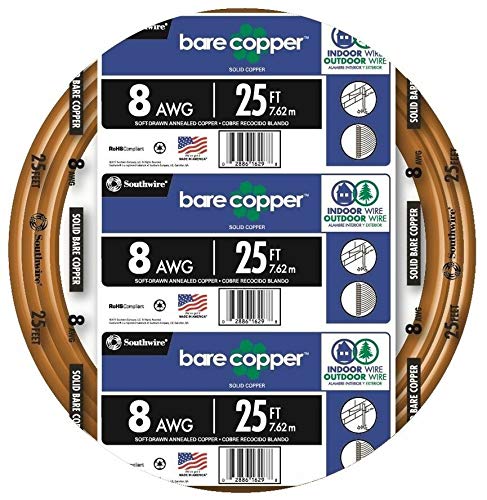
Southwire 8-Gauge Bare Copper Wire – Solid Soft‑Drawn Uninsulated Copper Conductor for Grounding & Electrical Applications, 25ft
- Type: Bare copper grounding wire
- Length: 25 feet
- Material: Solid soft-drawn copper
As an affiliate, we earn on qualifying purchases.
As an affiliate, we earn on qualifying purchases.
Conclusion
Think of bonding and grounding as the dynamic duo of electrical safety, working together like a well-choreographed dance. Bonding connects all the pieces, creating a strong, unified team, while grounding provides a safe escape route for unwanted currents. When you understand their roles, you’re like a conductor guiding a symphony—ensuring everything stays in harmony and safety stays in tune. Master these concepts, and you’ll keep your electrical system singing smoothly and safely.
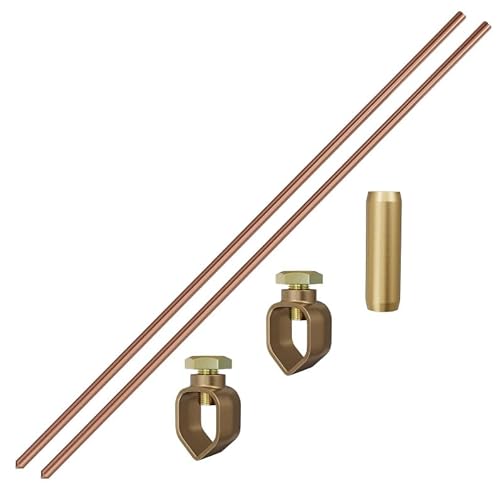
HEVIDUBANA 6 Feet Ground Rod Kit 1/2" Copper Clad Grounding Rod with Clamp for Electric Fences Satellite Dishes Generator Grounding Earthing Needs(2Pcs 3' Rod)
- Complete Grounding Kit: Includes rods, clamps, and coupler
- High Conductivity Copper Coating: Ensures durable, corrosion-resistant grounding
- Easy Installation Components: All necessary parts for quick setup
As an affiliate, we earn on qualifying purchases.
As an affiliate, we earn on qualifying purchases.
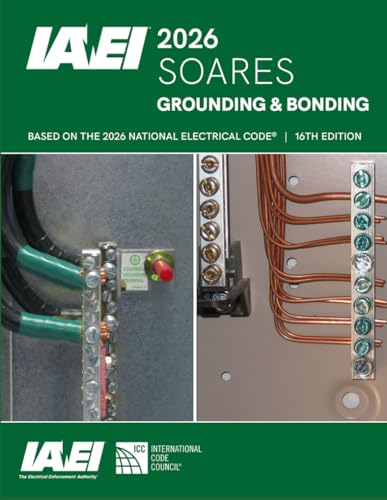
Soares Grounding and Bonding, NEC-2026
As an affiliate, we earn on qualifying purchases.
As an affiliate, we earn on qualifying purchases.






![Bukit Bintang Hicks Flat: DBKL Orders Cleanup After Viral Video Exposes Dirty Conditions [WATCH] - NST Online](https://poollexicon.com/wp-content/uploads/2026/08/bukit-bintang-hicks-flat-dbkl-orders-cleanup-after-viral-video-exposes-dirty-con-featured-1-260x140.jpg)