
TL;DR
European research projects are exploring sensor technology to better manage fertilizer application, aiming to cut waste and environmental damage. The development is in early stages, with ongoing testing and evaluation.
European research institutions are developing sensor-based systems designed to optimize fertilizer application, aiming to reduce waste and environmental pollution. The initiative reflects a growing focus on sustainable agriculture and precision farming, with the potential to significantly impact farming practices across Europe.

Get pool and patio gear delivered free with Prime
- Fast, free delivery on millions of items
- Prime Video, Amazon Music and more included
- Member-only deals all year
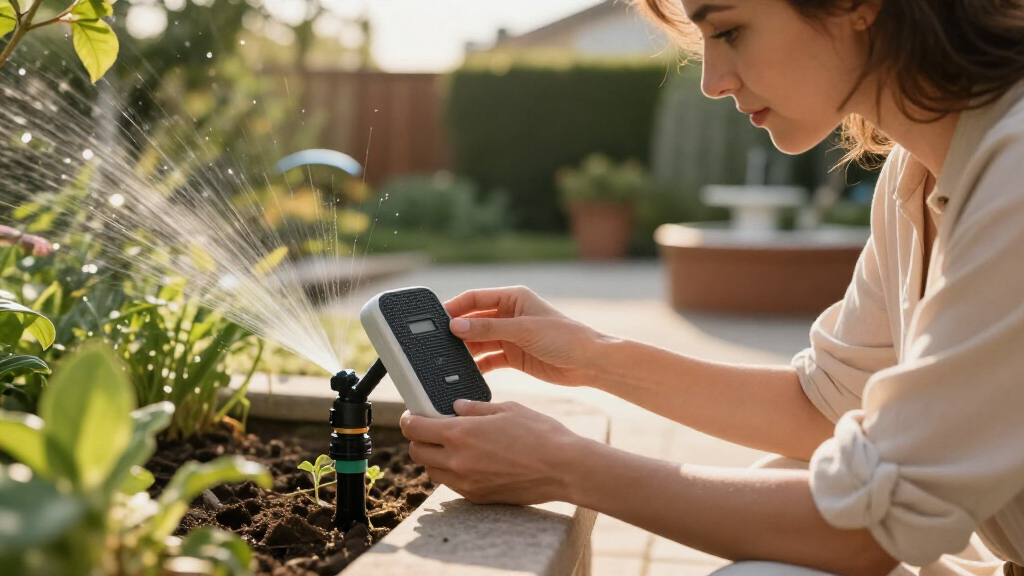
The project involves deploying advanced sensors in agricultural fields to monitor soil nutrient levels in real time. These sensors provide data that can be used to tailor fertilizer application precisely where and when it is needed, minimizing excess use. The research is still in experimental phases, with pilot programs underway in several European countries.
According to sources familiar with the project, the sensors utilize a combination of soil moisture, pH, and nutrient sensors, integrated with data analytics platforms. The aim is to create a user-friendly system that farmers can adopt without requiring extensive technical expertise. Early results suggest potential reductions in fertilizer use by up to 30%, though these figures vary depending on crop type and local conditions.
Potential Environmental and Economic Benefits of Sensor Technology
This research could lead to a substantial reduction in fertilizer waste, which accounts for a significant portion of agricultural runoff contributing to water pollution and greenhouse gas emissions. By optimizing fertilizer use, farmers could also lower input costs, improving economic sustainability. The project aligns with broader European Union goals to promote sustainable agriculture and reduce environmental impacts.
Products Worth Considering

Ring Battery Doorbell 2K Plus, Indoor Cam 2K, and Window & Door Sensor Bundle

Samsung 65-Inch M70H Series 4K Mini LED Smart TV (2026)

Roborock Q10 S5+ Robot Vacuum and Mop with 10,000 Pa Suction
As an affiliate, we earn on qualifying purchases.
Growing Interest in Precision Agriculture and Sustainable Farming
The use of sensors and data-driven management in agriculture has gained momentum over recent years, driven by concerns over environmental degradation and the need for increased efficiency. European policymakers have prioritized innovation in sustainable farming practices, with funding allocated to research projects exploring digital solutions. The current focus on fertilizer management reflects a broader trend toward precision agriculture, which aims to optimize resource use and minimize ecological footprints.
While the concept of sensor-based fertilizer management is not new, recent advancements in sensor technology and data analytics have made practical applications more feasible. The European initiative is part of a wider movement to incorporate digital tools into traditional farming systems, with pilot programs increasingly demonstrating tangible benefits.
Unconfirmed Details About Technology Readiness and Adoption
It is not yet clear when the sensor systems will be commercially available or widely adopted by farmers. The current research remains in pilot stages, and scaling up involves challenges such as cost, integration with existing farm management practices, and regional variability. Additionally, the long-term environmental and economic impacts are still being studied, and definitive data is pending.
Next Steps in Research and Pilot Expansion
Researchers plan to expand pilot programs across more European farms to gather broader data and refine sensor technology. They aim to develop standardized protocols for sensor deployment and data use, with the hope of facilitating wider adoption within the next few years. Further funding and collaboration with industry partners are expected to accelerate development and testing.
Key Questions
When will sensor-based fertilizer management be available for farmers?
It is currently in pilot stages, with no confirmed commercial release date. Widespread adoption may take several years as testing and scaling efforts continue.
How much fertilizer could potentially be saved using this technology?
Early estimates suggest reductions of up to 30%, but actual savings depend on crop type, region, and implementation specifics.
Are there any barriers to adopting sensor technology on farms?
Potential barriers include costs, technical complexity, and integration with existing farm management systems. Ongoing research aims to address these issues.
What environmental benefits could result from this project?
Reduced fertilizer runoff could lower water pollution and greenhouse gas emissions, contributing to more sustainable farming practices.
Will this technology work for all types of crops and soils?
Research is ongoing to adapt sensors for different crops and soil conditions. Effectiveness may vary, and further testing is needed to ensure broad applicability.
Source: rss