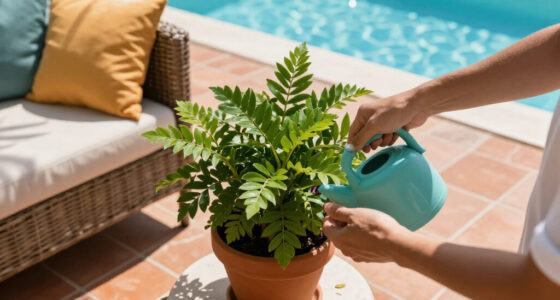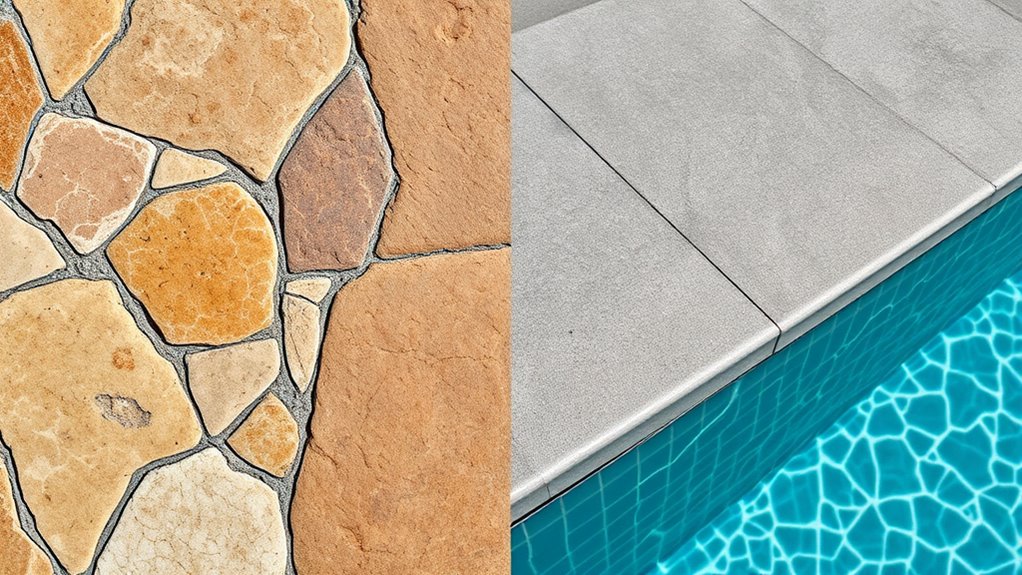
When choosing between natural and manufactured stone for your pool, consider the look, eco-impact, and maintenance. Natural stone offers a timeless, unique charm and aligns with eco-friendly values, but it may require more upkeep and come at a higher cost. Manufactured stone provides a uniform appearance, lower initial expense, and easier upkeep. Understanding these differences can help you pick the best fit for your style and budget—continue to explore for more details.

Get pool and patio gear delivered free with Prime
- Fast, free delivery on millions of items
- Prime Video, Amazon Music and more included
- Member-only deals all year
Key Takeaways
- Natural stone offers a unique, authentic look with character, while manufactured stone provides a consistent, sleek appearance.
- Natural stone is more eco-friendly due to minimal processing, whereas manufactured stone often uses recycled materials but consumes more energy.
- Manufactured stone typically requires less maintenance and sealing compared to natural stone, which can develop cracks and stains over time.
- Natural stone usually has higher upfront costs but offers long-term durability; manufactured stone is less expensive initially but may need more repairs.
- Natural stone appeals to those valuing an organic aesthetic and sustainability, while manufactured stone suits low-maintenance, budget-conscious projects.
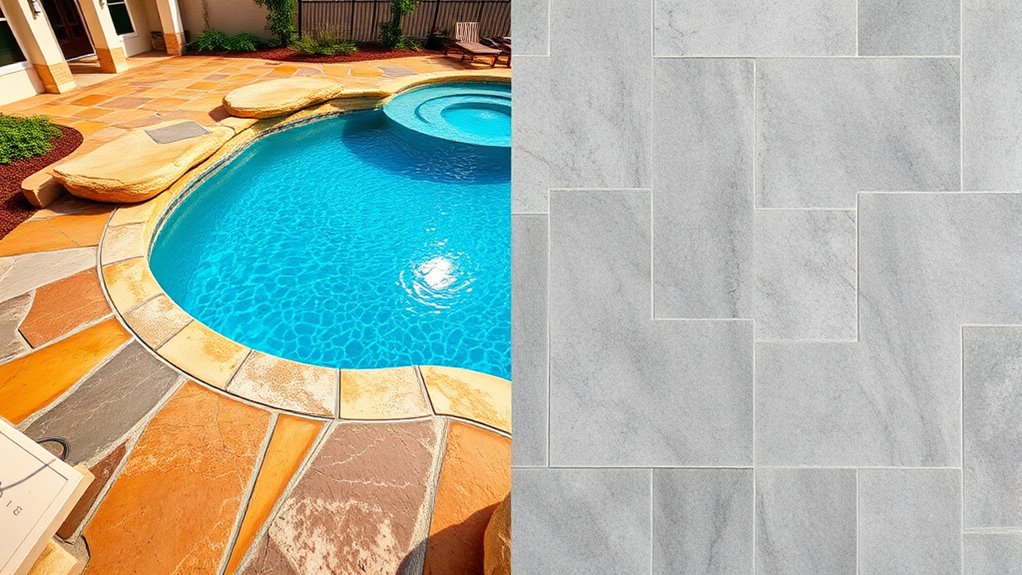
When choosing materials for your pool’s surround, understanding the differences between natural stone and manufactured stone is vital. Both options offer unique advantages and drawbacks, so your decision will depend on your priorities, budget, and aesthetic preferences. Natural stone, like travertine or flagstone, often appeals to those seeking an authentic, timeless look. It’s a material with a long history, and each piece is unique, adding character to your pool area. Manufactured stone, on the other hand, is designed to mimic natural materials but is crafted using concrete and other composites. It’s generally more uniform in appearance, which can be desirable if you prefer a sleek, consistent look.
Choosing between natural and manufactured stone depends on your style, budget, and eco priorities.
Eco-friendly options are increasingly important in outdoor design, and natural stone tends to be more environmentally friendly because it’s quarried directly from the earth with minimal processing. This reduces the carbon footprint associated with production. Manufactured stone, while often made from recycled materials, involves manufacturing processes that consume energy and may produce emissions. If sustainability is a priority, natural stone may be the better choice, although some manufacturers are working toward greener production methods.
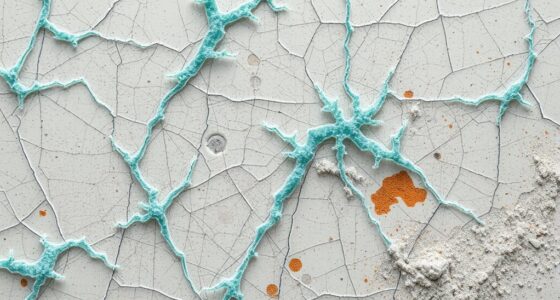
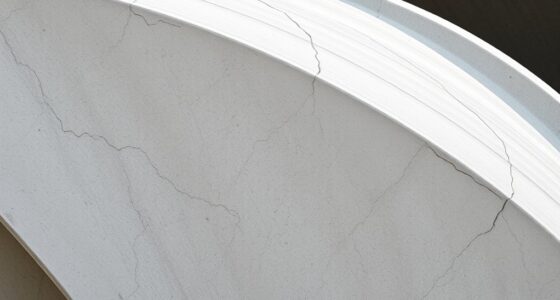
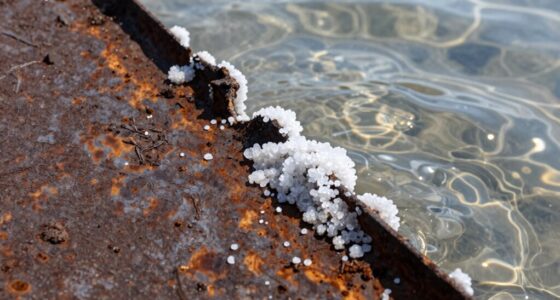
Maintenance considerations are also vital when choosing between the two. Natural stone requires regular sealing to prevent stains and water absorption, especially in areas exposed to pool chemicals and heavy foot traffic. Over time, natural stone can develop cracks or chips, which may need repairs or replacement. Manufactured stone generally needs less maintenance because it’s more resistant to staining and cracking. It doesn’t require sealing as often, making it a more convenient option for busy homeowners. However, manufactured stone can sometimes be less durable in extreme weather conditions, and if it’s made poorly, it might chip or fade faster.
Price is another factor that influences your choice. Natural stone usually costs more upfront due to quarrying and transportation, but its durability can make it a worthwhile investment. Manufactured stone typically costs less and is easier to install, which can save money initially. Still, you should weigh these costs against maintenance expenses over time.
Ultimately, your decision hinges on your aesthetic vision, environmental values, and practical needs. If you love the natural, organic look and are committed to eco-friendly options, natural stone is a compelling choice, despite higher maintenance requirements. If you prefer a more uniform appearance, lower maintenance, and a lower initial investment, manufactured stone might suit you better. Both options can beautifully enhance your pool area, so consider how each aligns with your lifestyle and values before making your choice.
As an affiliate, we earn on qualifying purchases.
Frequently Asked Questions
How Does Stone Choice Impact Pool Maintenance Costs?
Choosing natural stone can increase your pool’s maintenance costs due to its porous nature, which traps dirt and requires frequent cleaning. Manufactured stone, on the other hand, typically has a lower maintenance frequency and is easier to clean, keeping costs down. The cost comparison shows that natural stone may be more expensive long-term because of higher upkeep, while manufactured stone offers a more budget-friendly option with less ongoing maintenance required.
Are There Environmental Benefits to Natural Stone Over Manufactured Stone?
Natural stone often offers environmental benefits over manufactured stone because it’s usually sourced through eco-friendly methods, reducing its overall impact. Its lower carbon footprint results from minimal processing compared to manufactured options, which involve energy-intensive production. By choosing natural stone, you support sustainable sourcing and help decrease environmental harm, making it a more eco-conscious choice for your pool surroundings.
Can Natural Stone Be Repaired Easily if Damaged?
Natural stone can be repaired, but it requires patience and precision. You’ll want to match the existing material carefully, which can be a challenge. Repair considerations include potential patching or replacing damaged pieces, but durability concerns mean repairs might not be seamless. While natural stone offers timeless beauty, it’s not always the easiest to fix, so weigh the ease of repair against its durability and natural charm before choosing.
Which Stone Type Offers Better Slip Resistance Around Pools?
Natural stone generally offers better slip safety around pools because of its surface texture, which tends to be more slip-resistant when wet. Its rougher, uneven surface provides better traction, reducing the risk of slips and falls. Manufactured stone can be smoother, making it less slip-resistant. If slip safety is your priority, natural stone is a smarter choice, as its texture naturally enhances grip in wet conditions around your pool area.
How Does Climate Influence Stone Selection for Pool Surrounds?
Climate plays a big role in your stone choice for pool surrounds. If you face freeze-thaw cycles, opt for stones with good climate adaptation and high stone durability, like certain natural stones that resist cracking. In hot, sunny areas, choose stones that won’t fade or become slippery. By considering these factors, you guarantee your pool area remains safe, attractive, and long-lasting regardless of weather conditions.
As an affiliate, we earn on qualifying purchases.
Conclusion
Ultimately, whether you choose natural or manufactured stone for your pool, it’s fascinating how both options can seamlessly complement your backyard’s aesthetic. Sometimes, the decision feels like a coincidence—your vision aligning unexpectedly with the perfect material. Trust your instincts and consider your maintenance preferences. After all, the right choice might just be the one that unexpectedly turns your pool into a stunning, harmonious retreat, where style and functionality seem to converge effortlessly.
As an affiliate, we earn on qualifying purchases.
As an affiliate, we earn on qualifying purchases.
Fall Picks
fall essentials
As an affiliate, we earn on qualifying purchases.