
To effectively use phosphate removers, test your water regularly and act when levels rise above 0.03 ppm to prevent algae overgrowth. Follow the product instructions carefully to dose correctly, choosing between chemical or biological options based on your setup. Maintain good filtration, reduce phosphate sources like excess feeding or organic debris, and perform water changes. Proper application and ongoing monitoring guarantee healthy water, and if you keep an eye on these tips, you’ll uncover more ways to manage phosphate levels successfully.
Key Takeaways
- Use phosphate removers when water tests show phosphate levels above 0.03 ppm.
- Follow manufacturer instructions carefully for proper dosing and safety.
- Choose chemical or biological removers based on your setup and needs.
- Incorporate phosphate removers into regular maintenance routines with water testing.
- Reduce phosphate sources like overfeeding and organic debris to enhance removal effectiveness.
Phosphate removers are essential tools for maintaining a healthy and balanced aquatic environment. If you want to prevent algae overgrowth and keep your water clear, understanding when and how to use these products is crucial. Phosphates are a natural nutrient that, in excess, can fuel algae blooms, which not only mar the appearance of your tank or pond but also threaten the health of your aquatic life. The first step in managing phosphate levels effectively is regular water testing. By testing your water frequently, you can stay ahead of potential problems before they escalate. Water testing kits are affordable and straightforward, allowing you to measure phosphate levels precisely. When tests reveal elevated phosphate levels, it’s time to consider using a phosphate remover.
Knowing the right moments to add phosphate removers can make all the difference. If your testing indicates that phosphate levels are consistently high—typically above 0.03 parts per million (ppm)—it’s a clear sign you need to take action. High phosphate levels encourage algae growth, which can quickly become overwhelming if left unchecked. Using a phosphate remover at this stage can help restore balance. It’s best to follow the manufacturer’s instructions carefully, as overdosing can strip essential nutrients from your water, potentially harming your aquatic life. When applying a phosphate remover, consider whether your setup benefits from a chemical or biological approach. Chemical phosphate removers are usually in the form of resins or other absorbent materials that trap phosphates directly from the water. Biological methods, such as adding specific bacteria, can also help reduce phosphates naturally over time, promoting a healthier ecosystem.
It’s important to remember that phosphate removers are not a one-time fix. They should be part of an ongoing maintenance routine, especially if your water source is prone to high phosphate levels. Incorporate regular water testing into your schedule so you can monitor phosphate levels and act proactively. Additionally, reducing sources of phosphates—like overfeeding fish, using phosphate-rich fertilizers, or allowing organic debris to accumulate—will complement the use of removers. Proper filtration and water changes also play vital roles in maintaining low phosphate levels and preventing algae outbreaks. Staying aware of factors influencing phosphate levels can help you better prevent issues before they start. By staying vigilant and using phosphate removers judiciously, you’ll be able to maintain a cleaner, healthier aquatic environment, minimizing algae problems and promoting a thriving ecosystem.

Seachem PhosGuard, 100 mL bagged – 67101850
For marine and freshwater
As an affiliate, we earn on qualifying purchases.
As an affiliate, we earn on qualifying purchases.
Frequently Asked Questions
Can Phosphate Removers Be Used in Freshwater and Saltwater Aquariums?
Yes, you can use phosphate removers in both freshwater and saltwater aquariums. Just make certain you choose a product that’s marine compatible if you’re maintaining a saltwater setup. For freshwater systems, opt for a phosphate remover that’s effective in freshwater conditions. Always follow the manufacturer’s instructions, monitor phosphate levels regularly, and adjust dosing as needed to prevent nutrient imbalances and promote healthy aquatic environments.
How Often Should Phosphate Removers Be Replaced or Recharged?
Imagine your aquarium’s water sparkling like a clear mountain stream—that’s when you know it’s time to replace or recharge your phosphate remover. Typically, you should check replacement frequency every few weeks, depending on your tank’s load. Keep an eye on recharge indicators, like increased phosphate levels or reduced effectiveness, to know when it’s time to refresh your phosphate remover. Regular maintenance keeps your aquarium healthy and pristine.
Are Phosphate Removers Safe for All Types of Aquatic Plants?
Phosphate removers are generally safe for most aquatic plants when used correctly, but you should always check the product label for specific aquarium safety guidelines. Excessive use can harm plant health by stripping essential nutrients, so it’s important to monitor phosphate levels regularly. By balancing phosphate removal with proper fertilization, you guarantee your aquatic plants thrive without compromising the overall health of your aquarium ecosystem.
Can Phosphate Removers Cause Sudden Ph Changes?
A sudden pH change from phosphate removers can catch you off guard, like a thunderclap in a clear sky. They may cause pH fluctuations due to chemical interactions, especially if added abruptly or in large doses. To maintain pH stability, always add phosphate removers gradually, monitor water parameters closely, and avoid mixing with other chemicals quickly. This approach helps prevent harmful pH swings and keeps your aquatic environment safe.
What Are the Signs That Phosphate Levels Are Too Low?
If phosphate levels are too low, you might notice signs of deficiency like slowed algae growth or reduced coral coloration. Algae suppression could become too extreme, leading to a less vibrant tank. Additionally, you may see increased fish stress or health issues because essential nutrients are lacking. Keep an eye on phosphate levels to make sure they stay balanced, preventing deficiencies that can harm your aquatic ecosystem.

AKSBTEC Phosphate Test Kit – Pool Phosphate Test kit-50 Counts Phosphate Test Strips for Swimming Pool, Spa, Hot Tub,Aquarium,Fish Tank- Phosphate Test kit for Freshwater,Saltwater Testing
Multi – Use phosphate test kits : These phosphate test kits are super versatile! They work like a…
As an affiliate, we earn on qualifying purchases.
As an affiliate, we earn on qualifying purchases.
Conclusion
When your tank’s phosphate levels threaten to cast a shadow over your aquatic paradise, phosphate removers become your guiding lighthouse. Use them wisely—when tests show elevated phosphates or algae blooms threaten to overrun your vibrant underwater garden. Think of these removers as the maestro’s baton, orchestrating balance and harmony beneath the surface. Handle them with care, and your tank will flourish like a well-tuned symphony, vibrant and alive, under your steady stewardship.
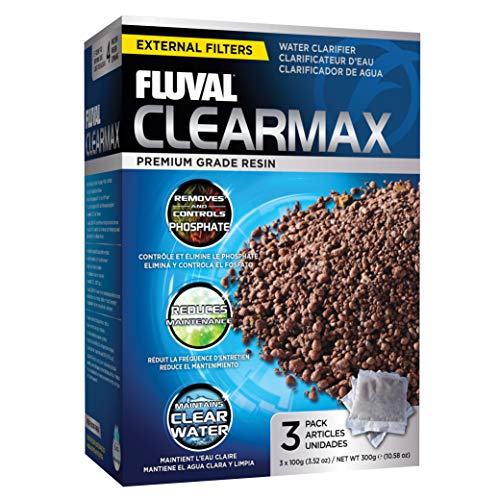
Fluval ClearMax Phosphate Remover, Chemical Filter Media for Aquariums, 100-gram Nylon Bags, 3-Pack, A1348, All Breed Sizes
Filter Compatibility: Compatible with Fluval Series Canister Filters 06, 07, FX, and more.
As an affiliate, we earn on qualifying purchases.
As an affiliate, we earn on qualifying purchases.

Phosphate Remover Pool Chemicals, 3 L, Pool Phosphate Remover, Swimming Pool Chemicals, Easy Cap Measure, ppb Dosing Guide, BubbyShine
SKIMMER-POUR APPLICATION: This weekly pool treatment formula is designed to pour directly into the skimmer for simple dosing….
As an affiliate, we earn on qualifying purchases.
As an affiliate, we earn on qualifying purchases.