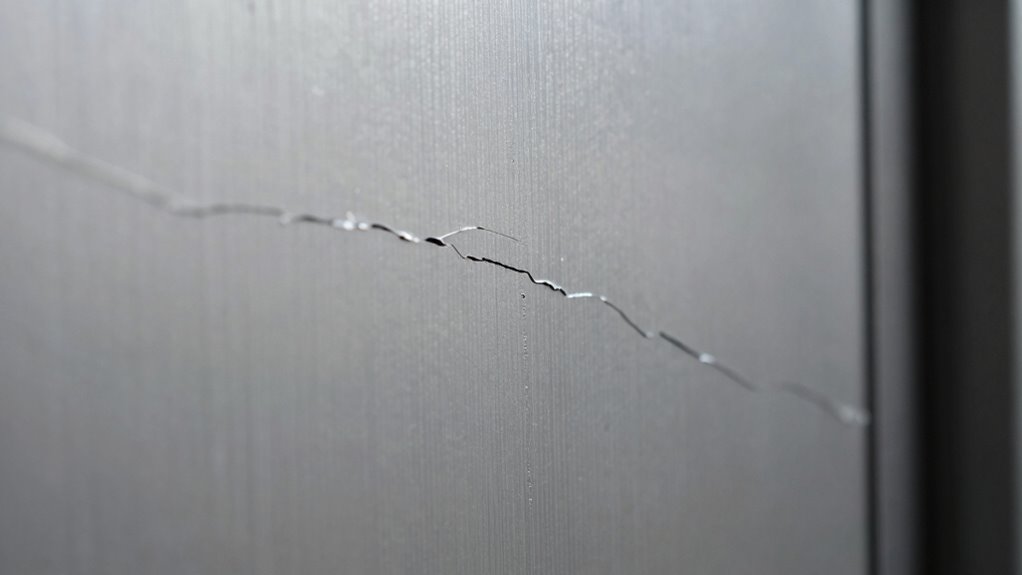

To spot air intrusion before it damages your equipment, look for drafts and temperature fluctuations around windows, doors, and outlets. Feel for leaks using incense sticks or your hand, and check for visible gaps or openings in your home’s seals. Conduct pressure tests to identify hidden leaks and monitor how your heating or cooling systems operate. Staying alert to these signs early on can prevent costly damage. Keep exploring to learn how to effectively seal these leaks and protect your equipment.

Get pool and patio gear delivered free with Prime
- Fast, free delivery on millions of items
- Prime Video, Amazon Music and more included
- Member-only deals all year
Key Takeaways
- Monitor for drafts or temperature fluctuations near equipment and building penetrations.
- Use incense or smoke pencils to detect hidden air leaks around vents and outlets.
- Conduct pressure tests to identify and quantify leaks in the building envelope.
- Regularly inspect and seal gaps around windows, doors, and utility penetrations.
- Watch for increased system operation time or inconsistent performance indicating air intrusion.
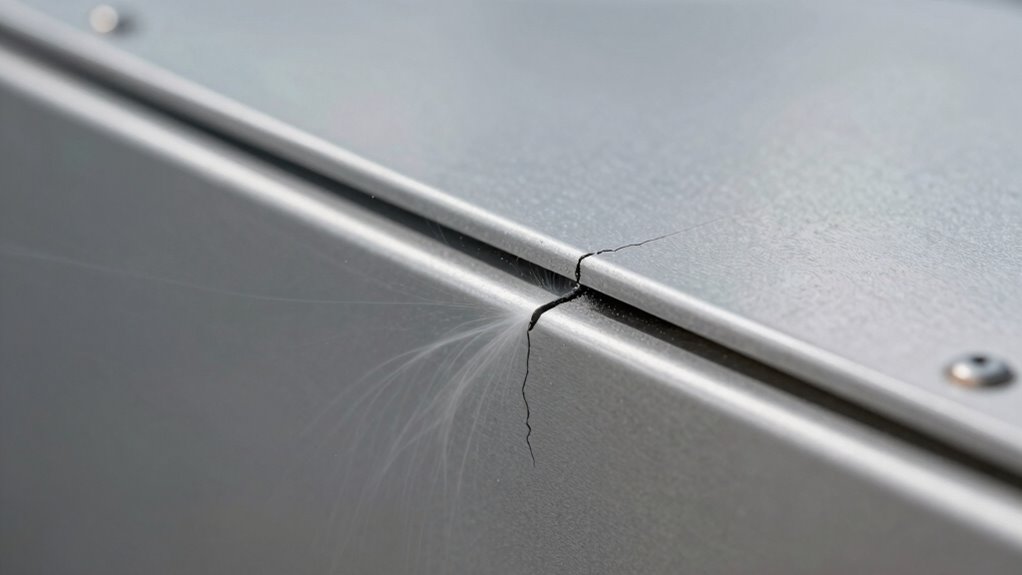
Have you ever noticed drafts or sudden temperature changes in your home? If so, you might be experiencing air intrusion, which can lead to higher energy bills and even damage to your equipment over time. The good news is, catching these issues early is possible if you know what to look for and how to identify the source of the problem. One of the most effective methods is leak detection, which involves systematically checking for small openings or gaps where air could be sneaking in. You can do this by feeling around windows, doors, and electrical outlets for drafts or using incense sticks or a smoke pencil to see if the smoke wavers near potential problem areas. These simple techniques help you identify leaks that might be invisible to the naked eye but are allowing unwanted air to intrude.
Pressure testing is another essential step in detecting air intrusion. This process involves evaluating the airtightness of your home or specific systems by creating a controlled environment and measuring how much pressure drops over time. When you perform a pressure test, you use specialized equipment to pressurize or depressurize the space and observe the readings. If the pressure drops quickly, it indicates leaks are present, and you can then focus your efforts on sealing those specific areas. Pressure testing is especially valuable because it offers quantifiable data, making it easier to determine the severity of air intrusion and prioritize repairs accordingly. It’s a proactive way to prevent small leaks from escalating and causing more significant issues, such as equipment strain or moisture problems. Additionally, maintaining proper ventilation helps to minimize the buildup of unwanted air and improves overall indoor air quality. Recognizing the importance of air sealing can significantly enhance your home’s energy efficiency and comfort. Regular inspections and airflow management are also crucial in maintaining a balanced indoor environment and preventing the buildup of pollutants. Being aware of pressure differentials can further assist in pinpointing trouble spots that require attention.
Furthermore, understanding the pressure differences between indoor and outdoor environments can help you better identify potential intrusion points, especially during seasonal changes. Being vigilant about air intrusion doesn’t mean you need to be an expert in home inspection, but it does require paying attention to subtle signs. For example, if your heating or cooling system runs constantly without maintaining a steady temperature, it could be a sign of drafts or leaks. Notice if certain areas of your home are colder or warmer than others, especially near windows, doors, or utility penetrations. These signs point toward potential air intrusion points that you should address. Regularly inspecting your home with leak detection techniques and periodic pressure testing can save you money by improving energy efficiency and protecting your equipment from the stress caused by unwanted air movement. The key is to stay proactive—spotting and sealing leaks early keeps your home comfortable and your systems running smoothly.
As an affiliate, we earn on qualifying purchases.
Frequently Asked Questions
What Are the Common Signs of Hidden Air Leaks?
You can spot hidden air leaks by listening for hissing sounds or feeling for drafts around doors, windows, and vents. Use leak detection tools like smoke pencils or infrared cameras for precise identification. Recognizing these signs early is essential for safety measures, preventing equipment damage, and reducing energy costs. Regularly inspecting your space helps catch leaks before they cause serious issues, ensuring a safer, more efficient environment.
How Often Should Air Intrusion Checks Be Performed?
You should perform air intrusion checks regularly, ideally every three to six months. Use air pressure testing to assess your system’s integrity and identify potential leaks early. Employ effective leak detection methods like soap bubble tests or ultrasonic detectors to pinpoint issues precisely. Consistent checks help prevent damage, reduce energy loss, and maintain system efficiency, ensuring your equipment stays protected from air intrusion-related problems.
Can Air Intrusion Affect Equipment Lifespan?
Air intrusion can shorten your equipment’s lifespan by compromising air quality and causing corrosion or wear. Think of it like rust slowly eating away at a favorite bike; neglect accelerates damage. Regular maintenance schedules help you catch and fix air leaks early, preserving your equipment. Ignoring air intrusion risks unnecessary repairs, downtime, and costly replacements. Vigilant checks guarantee your equipment runs smoothly and lasts longer, saving you money over time.
Are There Specific Tools for Detecting Air Leaks?
Yes, there are specific tools for detecting air leaks. Leak detection devices, like an ultrasonic leak detector or a smoke pencil, help you find small air intrusions quickly. Insulation testing tools, such as thermal cameras or blower door tests, also reveal hidden leaks by measuring temperature differences or airflow. Using these tools, you can identify and seal leaks early, preventing damage and increasing equipment efficiency.
What Safety Precautions Are Needed During Inspection?
Think of inspecting for air leaks as donning your armor before a quest. You need Personal Protective Equipment like gloves, goggles, and masks to shield yourself. Follow Safe Inspection Procedures by turning off equipment, venting systems, and working in well-ventilated areas. Always stay alert, avoid sparks, and handle tools carefully. These precautions guarantee your safety while hunting down leaks and preventing equipment damage.
As an affiliate, we earn on qualifying purchases.
Conclusion
By staying vigilant for signs like uneven cooling, increased energy bills, or unusual noises, you can catch air intrusion early and prevent costly damage. Remember, a small leak can cause up to 25% energy loss, costing you more over time. Regular inspections and prompt repairs keep your equipment running efficiently and extend its lifespan. Don’t wait for a major problem—detect air intrusion early and save money while protecting your investment.
As an affiliate, we earn on qualifying purchases.
As an affiliate, we earn on qualifying purchases.
Fall Picks
fall essentials
As an affiliate, we earn on qualifying purchases.