To make future repairs less painful, set up your pool equipment pad with clear, organized layout and easy access to all components. Use waterproofing techniques to protect electrical parts and guarantee proper drainage by incorporating slopes and trench drains. Keep equipment spaced for simple maintenance and clearly label all connections. Building with safety and compliance in mind, while planning for upgrades, will save you time and money later—exploring these tips more fully can make your setup more manageable.

Get pool and patio gear delivered free with Prime
- Fast, free delivery on millions of items
- Prime Video, Amazon Music and more included
- Member-only deals all year
Key Takeaways
- Properly label all connections for quick identification during troubleshooting and repairs.
- Ensure easy access and sufficient space around equipment for maintenance tasks.
- Incorporate waterproofing measures to protect electrical components from moisture damage.
- Arrange equipment to minimize complex piping, simplifying future upgrades or replacements.
- Follow local codes and plan for future expansion to avoid costly modifications later.
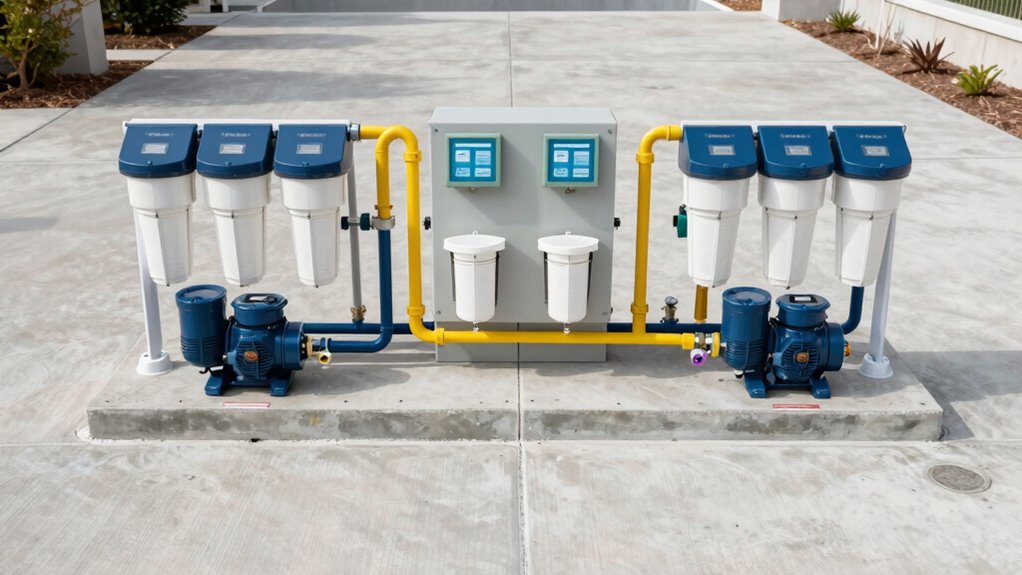
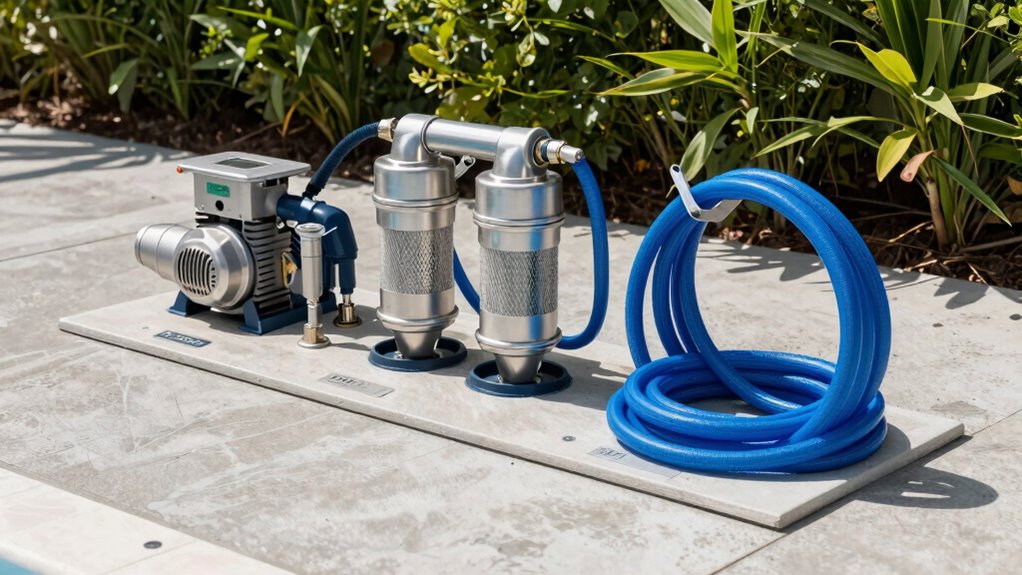
Are you ready to guarantee your pool runs smoothly? Setting up your equipment pad correctly from the start is the best way to assure easy maintenance and quick repairs down the line. One of the most important aspects is choosing the right location and planning your layout carefully. You want a spot that’s level, accessible, and close enough to your pool for convenience. As you plan, think about waterproofing techniques—this isn’t just about keeping the elements out, but also protecting your equipment from water damage that can cause costly repairs later. Use waterproof sealants or membranes around the pad to prevent moisture from seeping in and damaging electrical components or pumps. Proper waterproofing can save you headaches and money in the future, especially in areas prone to heavy rain or high humidity. Additionally, incorporating child-safe barriers can help prevent accidents around your pool equipment area. Drainage considerations are equally critical. You need to guarantee that excess water can drain away from your equipment pad efficiently, preventing pooling that could lead to corrosion or electrical hazards. A slight slope away from the pad is ideal; it directs water toward designated drainage areas or storm drains. Installing a drainage system, like a gravel bed or a trench drain, helps manage runoff and keeps your equipment dry. Remember, standing water is a breeding ground for mold, algae, and pests, all of which can compromise the integrity and lifespan of your equipment. When setting up the pad, make sure the surface is stable and properly graded. This not only facilitates drainage but also prevents shifting or settling that could misalign pipes or damage connections over time. Additionally, consider how your equipment is arranged on the pad. Keep the pump, filter, and other components spaced out enough for easy access, but close enough to minimize complex piping. Label your connections clearly so you won’t waste time troubleshooting in the future. Incorporating proper layout planning can also streamline future repairs and upgrades. Moreover, ensuring your setup aligns with local building codes can help prevent legal issues or the need for costly modifications later. Incorporate adequate space around your equipment to allow for maintenance and future upgrades without hassle. Also, adding protective barriers can shield your equipment from debris and weather, extending its lifespan. When your setup is organized and protected, future repairs become less stressful because you can quickly identify issues and access parts without unnecessary hassle. Remember, investing a little extra time and effort into waterproofing techniques and drainage considerations now can dramatically reduce the difficulty of repairs later, helping your pool stay functional and safe for years to come.
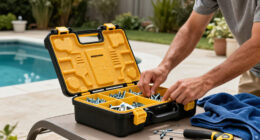
pool equipment pad organization kit
As an affiliate, we earn on qualifying purchases.
As an affiliate, we earn on qualifying purchases.
Frequently Asked Questions
How Much Does a Typical Pool Equipment Pad Installation Cost?
A typical pool equipment pad installation costs between $500 and $2,000, depending on materials selection and complexity. To estimate your budget, consider factors like concrete, pavers, or gravel, as well as the size of the pad. Cost estimation also involves labor charges and any additional features, such as drainage or electrical work. Planning ahead helps you avoid surprises and makes certain you choose a setup that’s both durable and cost-effective.
What Safety Precautions Should I Consider During Setup?
Think of your setup as building a fortress of safety. You should wear safety gear like gloves and goggles to shield yourself from surprises. Make certain electrical grounding is solid—like a strong anchor—to prevent shocks. Keep your workspace dry and clear of clutter, and double-check all connections before powering up. These precautions safeguard your project and ensure your pool remains a safe oasis, not a hazardous zone.
Can I Install the Pad Myself or Hire a Professional?
You can definitely do a DIY installation if you’re comfortable with plumbing and electrical work, but hiring professional assistance guarantees everything is set up correctly and safely. A professional can handle complex tasks, troubleshoot issues, and save you time and frustration. If you’re unsure about your skills, it’s wise to invest in expert help to prevent costly mistakes and ensure your pool equipment operates smoothly long-term.
How Often Should Pool Equipment Be Serviced After Installation?
You should service your pool equipment every 3 to 6 months to keep it running smoothly. Regular equipment maintenance includes checking pool chemical storage and ensuring all components are functioning correctly. Keep an eye on water chemistry and clean filters routinely. If you notice any issues, address them promptly to prevent costly repairs. Consistent maintenance helps extend equipment lifespan and keeps your pool safe and inviting for swimmers.
What Are Common Mistakes to Avoid During Setup?
Did you know that poor equipment organization can triple repair time? To avoid this, guarantee proper drainage planning and keep components well-organized. One common mistake is neglecting drainage, leading to water pooling and damage. Also, avoid cluttering the pad, which complicates repairs. Instead, set up your equipment with clear labels and accessible placement. Focus on strategic organization and drainage to save time and prevent costly issues down the line.
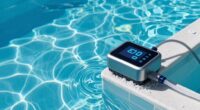
waterproof electrical box for pool equipment
As an affiliate, we earn on qualifying purchases.
As an affiliate, we earn on qualifying purchases.
Conclusion
By taking the time to carefully plan and set up your pool equipment pad, you’re laying the groundwork for smoother days ahead. A well-organized, thoughtfully designed space acts like a secret handshake—making future repairs feel less like a chore and more like a breeze. When everything’s in its place, you’ll find yourself enjoying your pool more and worrying less. So, invest a little now, and your future self will thank you with effortless swims and worry-free maintenance.
trench drain system for pool area
As an affiliate, we earn on qualifying purchases.
As an affiliate, we earn on qualifying purchases.
pool equipment connection labels
As an affiliate, we earn on qualifying purchases.
As an affiliate, we earn on qualifying purchases.
Halloween Picks
halloween
As an affiliate, we earn on qualifying purchases.