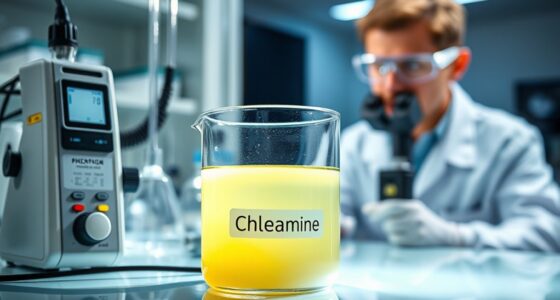

When you use sunscreen, sweat, or body oils, they introduce organic substances into your pool, affecting its chemistry. These substances react with chlorine to form chloramines, which cause odors, irritation, and cloudy water. They also make maintaining pH levels tricky, leading to imbalances that reduce disinfectant effectiveness. Over time, this buildup can promote algae growth and water cloudiness. To keep your pool crystal clear, understanding how these contaminants influence water quality is essential—there’s more to learn if you keep exploring.
Get ready for Prime Big Deal Days — try Prime free
Exclusive member deals on October 6–7, plus fast free delivery. Cancel anytime.
As an affiliate, we earn on qualifying purchases.
Key Takeaways
- Body oils, sunscreen, and sweat introduce organic compounds that can cause water cloudiness and chemical imbalance.
- These substances react with chlorine to produce chloramines, leading to odors, eye irritation, and skin discomfort.
- Organic matter from these sources can promote algae and bacteria growth, degrading water quality.
- The presence of oils and sweat causes pH fluctuations, challenging water stability and disinfectant effectiveness.
- Regular testing and balancing help manage organic buildup, maintaining clear, safe, and properly disinfected pool water.

Have you ever wondered why maintaining the right pool water chemistry is essential for a safe and clean swimming environment? When you jump into the pool, you’re introducing more than just your body; oils from your skin, sunscreen, and sweat all affect the water’s chemistry. These substances can cause a chemical imbalance, making it more difficult to keep the water safe and clear. As these contaminants accumulate, they often lead to pH fluctuation, which can compromise sanitation and comfort.
Body oils and sweat are natural, but they’re also a primary source of organic matter in your pool. When these substances mix with chlorine, they can create chloramines—compounds responsible for unpleasant odors, eye irritation, and skin discomfort. Chloramines are a sign that your pool’s chemical balance is off, and their formation indicates a chemical imbalance that needs correction. Sweat, sunscreen, and oils also introduce nutrients that encourage algae growth and bacteria, further disturbing the delicate balance of your pool water. Additionally, these organic substances can serve as food sources for microorganisms, exacerbating water quality issues.
Body oils, sweat, and sunscreen create organic build-up that disrupts pool chemistry and promotes algae and bacteria growth.
Sunscreen is particularly tricky because it contains oils, lotions, and chemical filters that don’t easily break down in water. These residues can cling to the surface of the water or settle at the bottom, contributing to cloudiness and an increase in organic load. As these substances accumulate, they cause pH levels to shift unpredictably. When pH fluctuates, it directly impacts the effectiveness of your disinfectants, reducing chlorine’s ability to kill germs and bacteria. This makes your pool more prone to issues like algae blooms, cloudy water, and potential health risks.
To keep the water chemistry stable, you need to be vigilant about regular testing and balancing. When oils and sweat enter the pool, they can cause pH to rise or fall unexpectedly. Without proper adjustments, these fluctuations can lead to a chemical imbalance that makes your pool unsafe and uncomfortable. Maintaining proper pH levels—typically between 7.2 and 7.8—is crucial because it ensures that disinfectants work efficiently and that the water remains comfortable for swimmers. Regular testing and balancing are essential practices to prevent these issues from escalating. Understanding how contaminant buildup affects water chemistry can also help in developing more effective maintenance routines.
In essence, what you bring into the pool—body oils, sunscreen, and sweat—can significantly impact the water’s chemistry. Managing these factors involves regular testing, balancing pH, and shocking the pool when necessary. By doing so, you help prevent pH fluctuation and chemical imbalance, ensuring your pool stays crystal clear, safe, and enjoyable for every swim. Proper understanding of biodiversity in pool ecosystems can also help in designing better water treatment practices that preserve the water quality.
As an affiliate, we earn on qualifying purchases.
Frequently Asked Questions
How Do Body Oils Affect Chlorine Effectiveness?
Body oils can hinder chlorine effectiveness because oil accumulation on the water’s surface creates a barrier, reducing how well chlorine interacts with contaminants. This barrier prevents chlorine from efficiently disinfecting the water, allowing bacteria and algae to thrive. To keep your pool clean, shower before swimming, remove excess oils, and maintain proper chlorine levels. Regular skimming also helps remove oil buildup, ensuring chlorine works effectively to keep your pool safe and clear.
Can Sunscreen Cause Cloudy Pool Water?
Yes, sunscreen can cause cloudy pool water. It introduces oils, lotions, and chemicals that disrupt the chemical balance, leading to an imbalance that affects water clarity. These particles can combine with other contaminants, creating a hazy appearance and reducing water transparency. To maintain clear water, you need to regularly test and adjust your pool’s chemistry, ensuring proper filtration and removing excess sunscreen residues before swimming.
Does Sweating Increase pH Levels in Pool Water?
Sweating can increase the pH level of your pool water, as sweat contains minerals and salts that contribute to higher pH levels. When you sweat, these substances enter the pool, leading to potential pool contamination and affecting water balance. Elevated pH levels can cause cloudy water and reduce chlorine effectiveness. Regular testing and proper chemical adjustments help maintain ideal water chemistry, ensuring a safe and clear swimming environment.
How Often Should I Shock the Pool After Swimming?
You should shock your pool at least once a week to keep it sparkling and safe. If you’ve had heavy use or after a storm, shock it more often. Regular pool maintenance and water balancing are essential to prevent algae and bacteria growth. Shocking helps break down organic contaminants from sweat, oils, and sunscreen, ensuring your water stays clear and healthy. Don’t skip this step—it’s your pool’s best defense!
Are There Specific Products to Reduce Oil Buildup in Pools?
To reduce oil buildup in your pool, you can use specialized oil-absorbing products like clarifiers or absorbent mats that help trap oils before they spread. Look for pool clarifiers designed specifically for oil removal, or consider enzyme-based treatments that break down oils naturally. These product alternatives effectively manage oil accumulation, keeping your pool cleaner and clearer. Regular skimming and maintaining proper filtration also support oil control efforts.
As an affiliate, we earn on qualifying purchases.
Conclusion
Understanding how body oils, sunscreen, and sweat affect pool water chemistry helps you maintain a cleaner, safer swimming environment. Did you know that an average swimmer can introduce up to 0.5 grams of sweat per swim session? That’s enough to impact pH levels and chlorine effectiveness. By rinsing off before swimming and showering afterward, you help keep the water balanced and enjoyable for everyone. Your efforts make a big difference in keeping the pool sparkling and safe!
As an affiliate, we earn on qualifying purchases.
As an affiliate, we earn on qualifying purchases.
NFL season / tailgating Picks
team gear
As an affiliate, we earn on qualifying purchases.