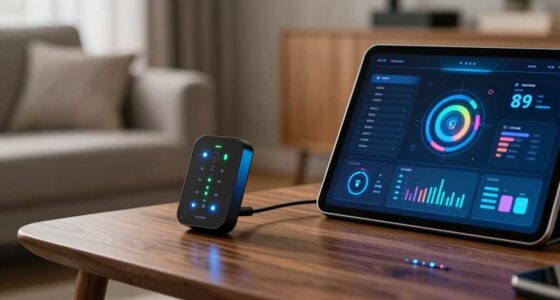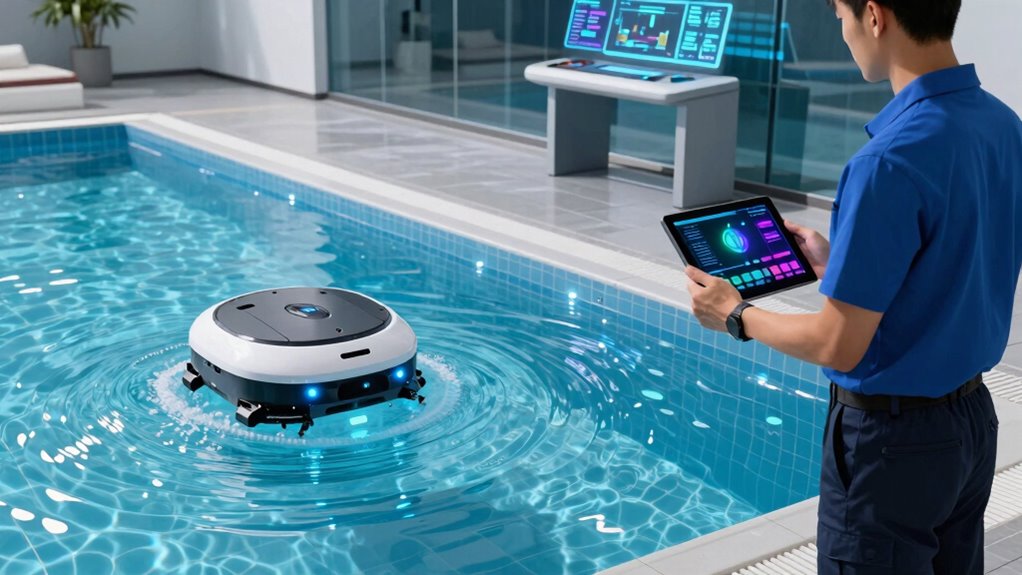

Predictive maintenance can reshape your pool service business by helping you catch issues early, cutting down on costly repairs and downtime. It uses sensors and data analytics to optimize equipment calibration, water quality, and chemical use in real time. By adopting these technologies, you’ll deliver more consistent service, improve customer satisfaction, and stand out as innovative. Keep exploring how these advancements can give you a competitive edge and boost your efficiency.
Listen free for 30 days with Audible
Thousands of audiobooks and originals — cancel anytime.
As an affiliate, we earn on qualifying purchases.
Key Takeaways
- Enables proactive issue detection, reducing costly repairs and unplanned downtime.
- Optimizes equipment performance and extends lifespan through precise calibration and monitoring.
- Enhances water quality management with real-time chemical adjustments, minimizing waste and improving customer satisfaction.
- Facilitates smarter maintenance scheduling, decreasing operational costs and service disruptions.
- Positions pool businesses as innovative leaders, building trust and competitive advantage in the industry.
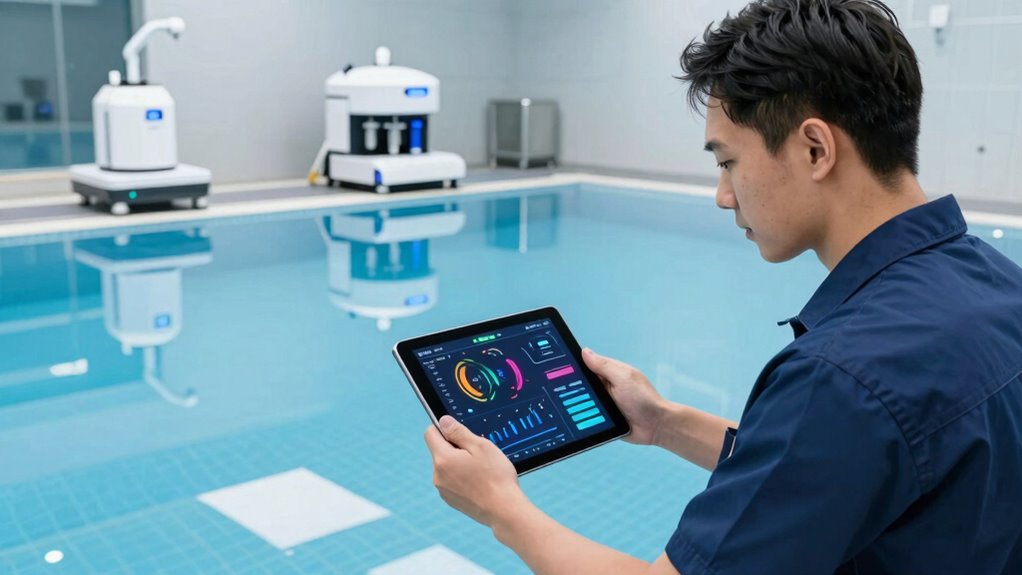
Predictive maintenance is transforming pool service by allowing you to anticipate issues before they become costly problems. Instead of waiting for complaints or visible signs of trouble, you can use advanced data and analytics to stay ahead of potential failures. This proactive approach saves you time, money, and customer frustration. For example, by monitoring your equipment’s performance, you can identify when calibration drifts or when parts are nearing failure, enabling timely adjustments or replacements. Equipment calibration becomes a critical part of this process, ensuring your pool systems operate efficiently and prevent breakdowns. When your equipment is properly calibrated, it maintains the right flow rates, pressure, and chemical distribution, reducing the risk of imbalances or damage.
Predictive maintenance helps prevent costly pool issues through real-time data and precise equipment calibration.
In the sphere of pool chemical management, predictive maintenance lets you optimize chemical dosing based on real-time data rather than fixed schedules. You can track factors like pH levels, chlorine residuals, and temperature to determine the precise amount of chemicals needed. This not only helps maintain water quality but also minimizes chemical waste and cost. By anticipating chemical fluctuations, you avoid issues like algae blooms or corrosion that can lead to expensive repairs or water replacement. Automated sensors and analytics tools can alert you when chemical levels are outside ideal ranges, prompting immediate action before the problem escalates. Incorporating biodiversity and sustainable practices into your maintenance routines can further enhance water quality and environmental impact. Additionally, integrating data-driven decision-making tools can help you optimize your overall maintenance strategy and improve operational efficiency. Recognizing the importance of equipment monitoring is vital for staying ahead in a competitive industry.
In addition, predictive maintenance enhances your ability to schedule equipment calibration and repairs more effectively. Instead of reactive fixes, you can plan maintenance during off-peak hours or when it’s most convenient, reducing downtime. This targeted approach extends the lifespan of your pumps, filters, and other essential components. As you gather more data, you’ll develop a better understanding of typical wear patterns, allowing you to replace parts just in time—never too early or too late. Implementing predictive analytics can further refine your maintenance schedules by identifying subtle signs of wear that might otherwise go unnoticed. This data-driven approach also encourages the adoption of advanced sensors, which provide more accurate and timely insights into equipment performance.
This shift towards predictive practices also improves customer satisfaction. You can deliver more consistent water quality and reliable service, which builds trust and encourages repeat business. Furthermore, your team will appreciate the clarity and control that come with data-driven decisions. Instead of guesswork, you’re making informed choices based on actual performance metrics, leading to fewer emergency call-outs and less stress.
Ultimately, embracing predictive maintenance means transforming your pool service operation into a smarter, more efficient business. You’ll reduce operational costs, extend equipment longevity, and provide superior customer experiences. With a focus on proper equipment calibration and precise chemical management, you position yourself as a forward-thinking professional in an evolving industry. The future of pool service is data-driven, and by adopting predictive maintenance today, you’ll stay ahead of the competition while ensuring your pools stay pristine and trouble-free.
As an affiliate, we earn on qualifying purchases.
Frequently Asked Questions
What Initial Costs Are Involved in Implementing Predictive Maintenance?
The initial costs involve a thorough cost analysis to determine budget needs and the expenses of technology integration. You’ll need to invest in sensors, data collection devices, and software for predictive analytics. Additionally, training staff on new systems and possibly upgrading existing equipment are necessary. While these upfront investments may seem significant, they can lead to long-term savings and improved service efficiency, making the initial costs worthwhile.
How Accurate Are Predictive Maintenance Tools for Pool Equipment?
Predictive maintenance tools for pool equipment are quite accurate, especially when sensor accuracy and data analysis are in sync. You can trust these tools to detect issues early, monitor equipment performance precisely, and provide reliable predictions. As sensors improve and data analysis becomes more sophisticated, your ability to prevent breakdowns increases. This means fewer surprises, better service quality, and more efficient maintenance, all driven by dependable, real-time insights.
What Training Is Needed for Staff to Use Predictive Maintenance Technology?
You’ll need to provide staff training focused on technology skills to effectively use predictive maintenance tools. This includes teaching them how to interpret sensor data, operate diagnostic software, and troubleshoot issues. Ensuring your team understands the technology behind predictive maintenance helps improve accuracy and efficiency. Regular training sessions and hands-on practice will keep your staff confident and up-to-date, ultimately enhancing your pool service business’s overall performance.
How Does Predictive Maintenance Impact Customer Satisfaction?
Predictive maintenance boosts customer satisfaction by enhancing service reliability, meaning your clients experience fewer unexpected issues. When you proactively address potential problems, customers notice consistent, high-quality service, which builds customer loyalty. This reliability encourages positive word-of-mouth and repeat business. By preventing breakdowns before they happen, you demonstrate professionalism and care, making your clients feel valued and confident in your pool service, ultimately strengthening your reputation and customer relationships.
Can Predictive Maintenance Prevent All Pool Equipment Failures?
Predictive maintenance is like a crystal ball for the pool industry, but it can’t prevent all failures. While it substantially reduces unexpected equipment breakdowns through failure prevention, some issues still slip through. Factors like sudden power surges or unforeseen damage can cause failures despite predictive efforts. So, while it enhances reliability, you still need routine inspections and quick responses to keep pools running smoothly and customers happy.
pool equipment calibration tools
As an affiliate, we earn on qualifying purchases.
As an affiliate, we earn on qualifying purchases.
Conclusion
Imagine your pool service business as a well-tuned engine, running smoothly thanks to predictive maintenance. Just like a mechanic catching issues before they cause a breakdown, you can prevent costly repairs and keep clients happy. Embracing this technology is like installing a crystal ball—you’re always one step ahead. With predictive maintenance, you’ll turn surprises into opportunities, ensuring your business stays afloat and your reputation shines brighter than ever.
pool water quality monitoring system
As an affiliate, we earn on qualifying purchases.
As an affiliate, we earn on qualifying purchases.
predictive maintenance for pool pumps
As an affiliate, we earn on qualifying purchases.
As an affiliate, we earn on qualifying purchases.
NFL season / tailgating Picks
team gear
As an affiliate, we earn on qualifying purchases.