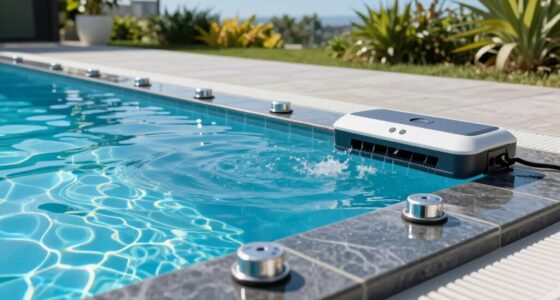

To effectively track water changes over a swim season, you should establish a consistent testing routine, measuring key parameters like pH, chlorine, alkalinity, and calcium hardness weekly with reliable tools. Keep detailed logs of all results, noting trends and adjustments. Perform staged water changes based on these insights, testing after each step to guarantee water stays balanced. Using digital monitoring tools can simplify this process. Keep exploring these strategies to maintain ideal water quality throughout the season.

Get pool and patio gear delivered free with Prime
- Fast, free delivery on millions of items
- Prime Video, Amazon Music and more included
- Member-only deals all year
Key Takeaways
- Use a dedicated digital or paper log to record weekly test results and water adjustments throughout the season.
- Track parameters like pH, chlorine, alkalinity, and calcium hardness consistently to identify long-term trends.
- Perform staged water changes (e.g., 25-30%) and record each step to monitor effects on water chemistry.
- Analyze historical data to anticipate future adjustments and maintain optimal water balance.
- Utilize automation tools or management systems for real-time monitoring and streamlined record-keeping.
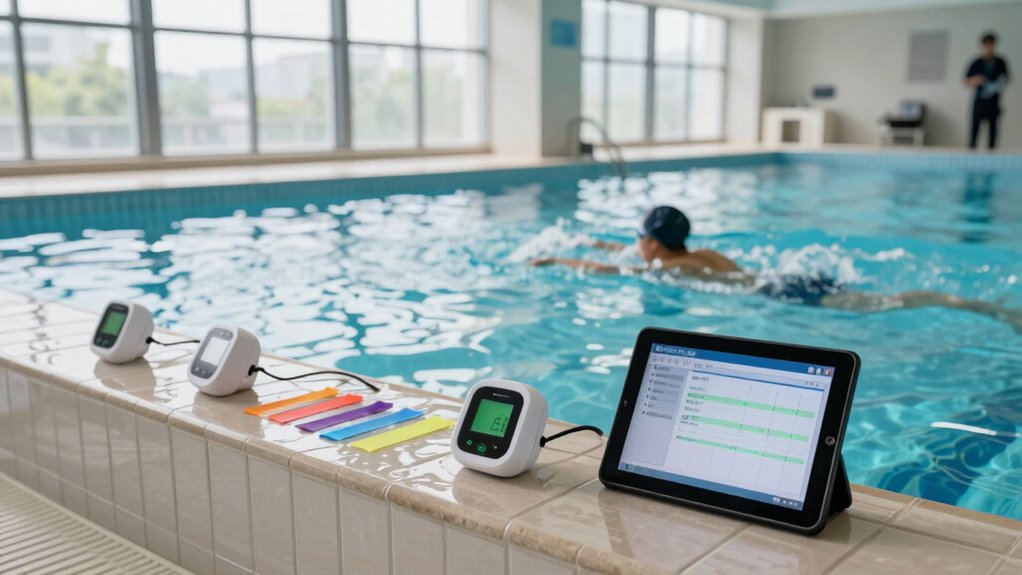
Have you ever wondered how to effectively monitor water quality throughout a swim season? Keeping your pool in top shape requires consistent tracking of water changes, which hinges on good pool maintenance and understanding water chemistry. The key is establishing a system that provides accurate, ongoing data, so you can respond promptly to any issues and maintain safe, clean water.
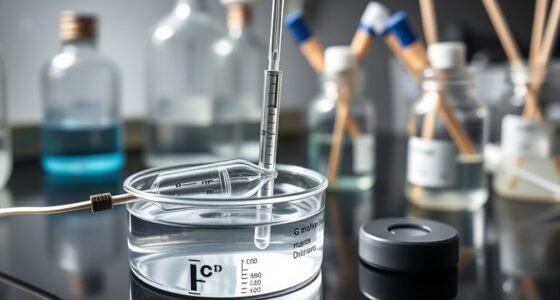
Start by setting up a regular testing schedule. Testing weekly is ideal, especially during peak usage months when water chemistry can fluctuate quickly. Use reliable test kits or digital testers to measure essential parameters like pH, chlorine levels, alkalinity, and calcium hardness. Recording each result helps you spot trends over time, making it easier to identify when water chemistry drifts outside ideal ranges. This consistent data collection is the foundation of effective water change tracking.
Next, create a dedicated log, either on paper or digitally, to record all test results, water additions, and chemical adjustments. Include dates, measurements, and notes about any noticeable changes in water clarity or smell. This log acts as a historical record, allowing you to analyze patterns and determine if water changes are needed. For instance, if you notice a gradual increase in calcium hardness or a consistent drop in free chlorine, you can plan targeted water changes to prevent long-term problems like scaling or algae growth. Incorporating water chemistry understanding into your routine can help you interpret these results more accurately. Additionally, understanding water chemistry interactions can aid in predicting how different adjustments will impact your pool’s water balance. Staying informed about these interactions can help prevent overcorrection and chemical imbalances.
Monitoring water chemistry isn’t just about testing; it’s also about understanding what the data tells you. When parameters fall outside recommended ranges, take immediate action—whether that’s adjusting chemicals or scheduling partial water replacements. Regularly reviewing your test results can help you identify subtle shifts before they become bigger issues, saving time and resources. Keep in mind that water changes aren’t always immediate solutions; sometimes, they’re part of a broader strategy to balance water chemistry and reduce chemical usage over the season.
A practical tip is to perform water changes in stages, especially if your pool has a large volume. Partial water replacements—say, 25% to 30%—allow you to improve water quality without drastic shifts that could destabilize your chemistry. After each change, test again to see if levels stabilize within the desired range. This step-by-step approach minimizes disruption and ensures your pool remains safe and inviting throughout the season.
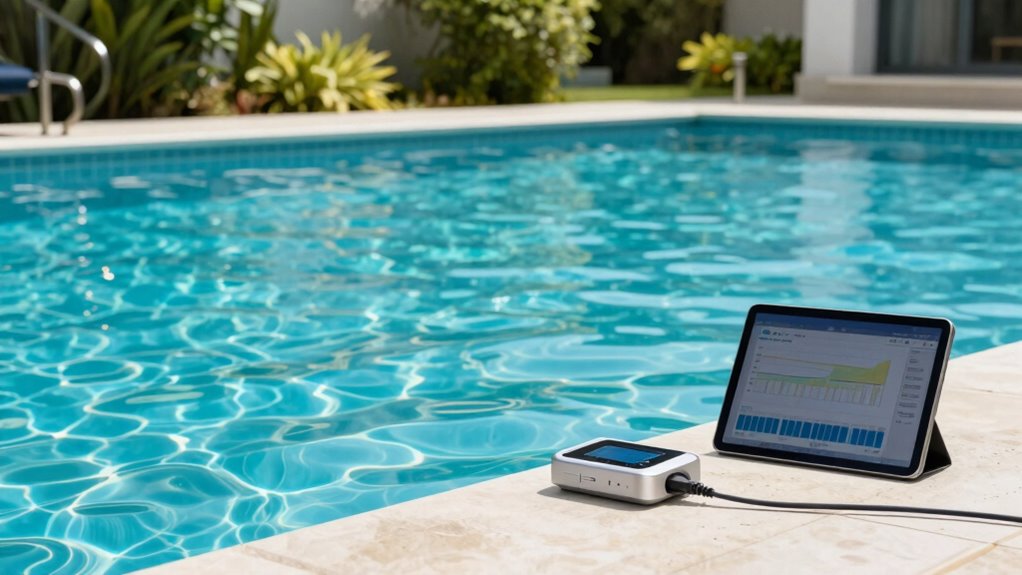
Additionally, understanding water chemistry and how each parameter interacts can help you make more informed decisions about when and how much water to replace. Consider investing in a water management system or automation tools that can monitor water chemistry continuously and alert you when levels need attention. These systems simplify tracking, reduce manual effort, and help you maintain ideal conditions effortlessly. Regularly updating your knowledge about water chemistry principles can further enhance your ability to maintain optimal water quality. By combining regular testing, meticulous record-keeping, staged water changes, and modern technology, you’ll master water change tracking over a full swim season, making pool maintenance less stressful and more effective.
As an affiliate, we earn on qualifying purchases.
Frequently Asked Questions
How Often Should Water Testing Be Performed During the Season?
You should perform water testing at least twice a week during the swim season to maintain proper pool maintenance and guarantee water balance. Regular testing helps you catch issues early, like pH or chlorine imbalances, preventing problems down the line. Keep a log of your tests, so you can track trends over time and adjust chemicals accordingly, ensuring a safe, clean, and well-maintained pool throughout the season.
What Tools Are Best for Measuring Water Chemistry Accurately?
You should use a reliable water testing kit, like liquid test strips or digital testers, to measure water chemistry accurately. These tools help you monitor chemical balance, such as pH, chlorine, and alkalinity levels. To maintain proper chemical balance, test regularly based on your testing frequency schedule. Consistent testing ensures safe, clear water, and helps you make quick adjustments to keep your pool in peak condition throughout the season.
How Do Seasonal Weather Changes Affect Water Quality?
Seasonal temperature shifts and precipitation impact your pool’s water quality subtly yet considerably. When temperatures rise or fall, they influence evaporation rates and chemical balance, requiring attentive adjustments. Increased rainfall can dilute chemicals and introduce impurities, making the water feel different. You’ll notice these changes, so it’s vital to monitor water chemistry regularly. By staying vigilant, you guarantee your pool remains inviting and safe, regardless of the seasonal weather dance.
Can Water Change Tracking Prevent Algae Growth?
Yes, tracking water changes can prevent algae growth by maintaining water stability and proper chemical balance. When you regularly monitor pH, alkalinity, and sanitizer levels, you catch imbalances early, reducing nutrient buildup that algae thrive on. Consistent testing helps you adjust treatments promptly, keeping the water less hospitable for algae. This proactive approach guarantees a cleaner pool, minimizes algae issues, and keeps your swim season enjoyable.
What Are Signs of Poor Water Quality Before Official Testing?
Imagine your pool as a mirror; if it looks cloudy or has streaks, that’s a sign of poor water quality. You might notice water pH levels fluctuating or chemical imbalances causing a strange smell or skin irritation. These early signs suggest your water isn’t balanced, and if ignored, could lead to algae growth or other issues. Always pay attention to these indicators before official testing to maintain a healthy, clear pool.
As an affiliate, we earn on qualifying purchases.
Conclusion
By tracking your water changes throughout the season, you’re tending to a living garden beneath the surface. Each record is like a gentle rain nurturing the roots of your pool’s health, ensuring clarity and balance flourish. When you stay attentive, you become the guardian of this underwater sanctuary, watching it bloom with every thoughtful adjustment. In this way, your pool becomes a shimmering reflection of your care—a vibrant, flowing symbol of your dedication and love for every swim season.
As an affiliate, we earn on qualifying purchases.
As an affiliate, we earn on qualifying purchases.
Halloween Picks
halloween
As an affiliate, we earn on qualifying purchases.