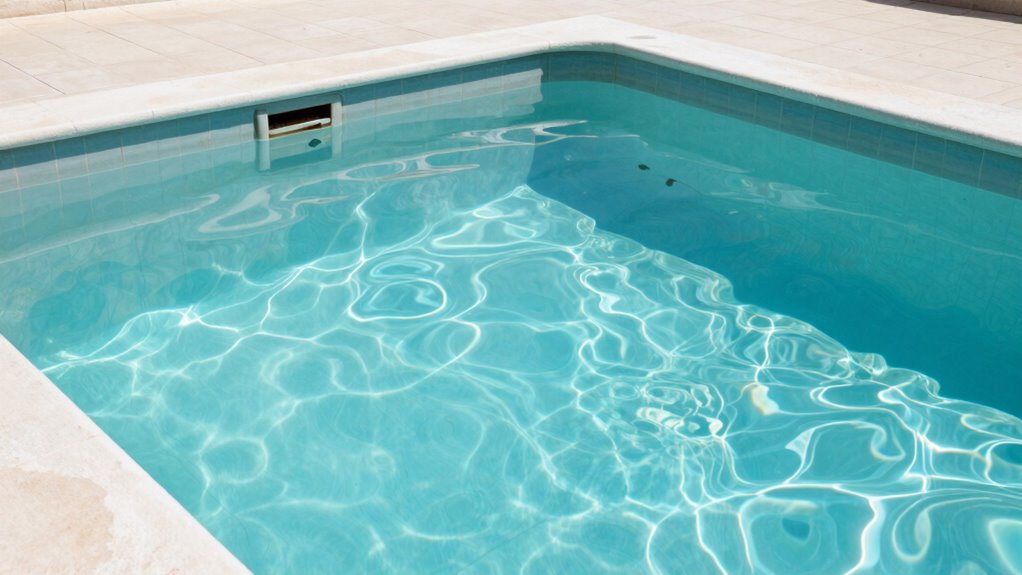

Saltwater pools can speed up the deterioration of your pool materials by increasing corrosion, especially on metals like steel and aluminum, and weakening plastics and liners. Salt ions penetrate surfaces over time, causing microscopic damage that leads to cracks, leaks, and structural issues. This process can decrease the lifespan of your pool components if not properly managed. To find out how to protect your pool and extend its durability, keep exploring these essentials.

Get pool and patio gear delivered free with Prime
- Fast, free delivery on millions of items
- Prime Video, Amazon Music and more included
- Member-only deals all year
Key Takeaways
- Saltwater increases electrical conductivity, accelerating corrosion of metals like steel and aluminum.
- Microscopic salt ion damage gradually weakens pool materials and components.
- Prolonged salt exposure can cause cracks, leaks, and early material failure.
- Material performance depends on resistance to salt-induced corrosion and proper maintenance.
- Regular inspections and protective coatings help mitigate long-term saltwater damage.
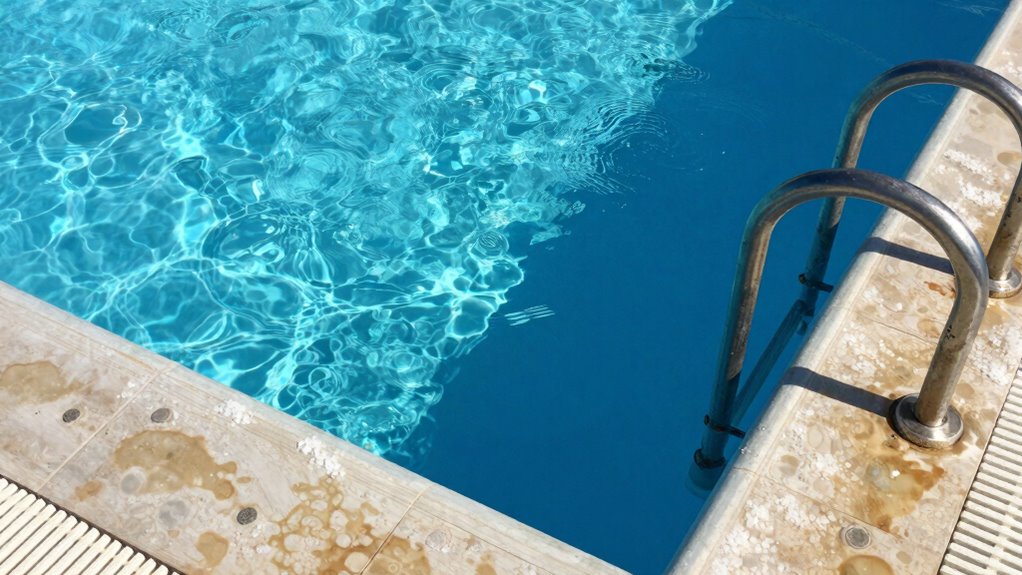
Saltwater pools are gaining popularity for their softer feel and lower chemical requirements, but their unique environment also raises important questions about material performance. When you install a saltwater pool, you’re working with a system that relies on salt, which can influence how materials behave over time. The main concern is corrosion resistance. Saltwater is more conductive than freshwater, so any material that isn’t resistant to corrosion can deteriorate faster. Metals like steel, aluminum, and certain alloys are especially vulnerable if they aren’t specifically designed for salt exposure. You need to choose materials that can withstand the aggressive environment to guarantee your pool’s longevity.
Material longevity becomes a critical factor as saltwater can accelerate wear and tear on pool components. Over months and years, even the most durable materials may experience signs of degradation if they aren’t suited for salt exposure. For example, pool liners, fittings, and plumbing made from incompatible materials might develop leaks or cracks sooner than expected. To avoid costly repairs or replacements, you should prioritize materials with proven corrosion resistance, such as stainless steel grades specifically formulated for saltwater environments or high-quality plastics and composites. Regular inspections and maintenance are crucial, especially in environments with higher humidity or temperature fluctuations, which can exacerbate corrosion.
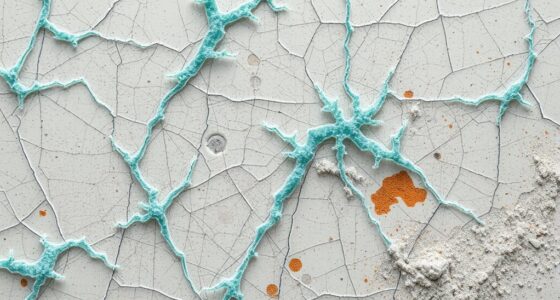
The impact of salt on material performance isn’t just about immediate corrosion; it also involves long-term structural integrity. Salt ions penetrate surfaces, causing microscopic damage that gradually weakens the material. This process can be subtle but significant over time. Regular maintenance and inspections can help you catch early signs of deterioration. Using protective coatings or sealants designed for saltwater can further extend the lifespan of your pool’s components, making them more resistant to the corrosive effects. Additionally, understanding the effects of environmental factors** can help you better prepare and adapt your maintenance routine. Being proactive in choosing corrosion-resistant materials** can significantly reduce the risk of unexpected failures.
Choosing the right materials at the outset is essential for maintaining your saltwater pool’s performance and reducing ongoing costs. Investing in corrosion-resistant metals, durable plastics, and compatible fixtures means your pool will resist the harsh environment longer. This approach not only preserves the structural integrity but also ensures your pool remains safe and functional for years. Moreover, being aware of the different environmental influences can help you tailor your maintenance practices to specific conditions, further extending your pool’s lifespan. Incorporating proper material selection based on environmental factors can significantly improve overall durability and reduce long-term expenses.
Ultimately, understanding how saltwater affects material performance helps you make smarter choices. By selecting materials with high corrosion resistance and focusing on long-term durability, you can enjoy a beautiful, low-maintenance pool that stands the test of time. Proper material selection and proactive care are your best strategies to combat the challenges posed by saltwater, ensuring your pool remains a source of relaxation and enjoyment for years to come.
As an affiliate, we earn on qualifying purchases.
Frequently Asked Questions
Do Saltwater Pools Require Different Cleaning Routines Than Traditional Pools?
Yes, saltwater pools need different cleaning routines than traditional pools. You should regularly monitor chemical balance to prevent corrosion and maintain water quality. Also, check and clean water filtration systems more frequently, as salt can cause buildup and wear on equipment. Maintaining proper chemical levels and water filtration guarantees your saltwater pool stays clean, safe, and in good condition over time, reducing potential damage to pool materials.
How Does Salt Concentration Affect Various Pool Materials Long-Term?
Imagine your pool materials as sailors steering a salty sea; high salt concentration can corrode metals and weaken plastics over time. Saltwater impacts corrosion resistance and material durability, causing metals to rust and plastics to degrade faster. To protect your pool, select materials designed for saltwater environments and regularly monitor salt levels. Proper maintenance guarantees your pool’s longevity, much like seasoned sailors who adapt to changing seas.
Are There Specific Materials More Resistant to Corrosion in Saltwater Pools?
Yes, corrosion-resistant materials like high-grade plastics, resin, and certain stainless steels (such as 316L) resist saltwater corrosion better. These materials provide maintenance-free solutions and withstand the long-term effects of salt exposure. By choosing these options, you reduce the need for frequent repairs or replacements, ensuring your pool remains durable and visually appealing. Investing in corrosion-resistant materials helps you enjoy your saltwater pool with minimal upkeep over time.
Can Saltwater Pools Cause Damage to Pool Covers or Accessories?
You might not realize it, but saltwater pools can secretly threaten your pool covers and accessories. Over time, salt exposure can weaken pool cover durability, causing tears or brittleness. Accessories like ladders or heaters are vulnerable to corrosion, risking costly replacements. Stay vigilant; regular inspections can help catch early damage, ensuring your equipment remains in top shape. Protect your investment before saltwater silently chips away at your pool’s integrity.
How Often Should Pool Materials Be Inspected for Degradation?
You should inspect pool materials for degradation at least once every three to six months. Regular inspection helps maintain material durability and catch early signs of wear or damage. Pay attention to pool covers, liners, and accessories, especially in saltwater pools, where corrosion can accelerate deterioration. By maintaining a consistent inspection frequency, you can prolong the lifespan of your pool components and ensure safe, smooth operation over time.
saltwater pool corrosion resistant liner
As an affiliate, we earn on qualifying purchases.
As an affiliate, we earn on qualifying purchases.
Conclusion
As you watch your saltwater pool evolve, it’s no coincidence that the materials you chose can change over time. The salt’s quiet influence might surprise you, gradually impacting everything from your liner to your equipment. Staying aware of these shifts helps you stay ahead, ensuring your pool remains inviting and functional. After all, sometimes the smallest details, like the salt’s subtle touch, can unexpectedly shape your pool’s future—making every swim a little more meaningful.
pool protective coatings for saltwater pools
As an affiliate, we earn on qualifying purchases.
As an affiliate, we earn on qualifying purchases.
high durability plastics for pools
As an affiliate, we earn on qualifying purchases.
As an affiliate, we earn on qualifying purchases.
Columbus Day / Indigenous Peoples' Day Picks
long weekend sales
As an affiliate, we earn on qualifying purchases.