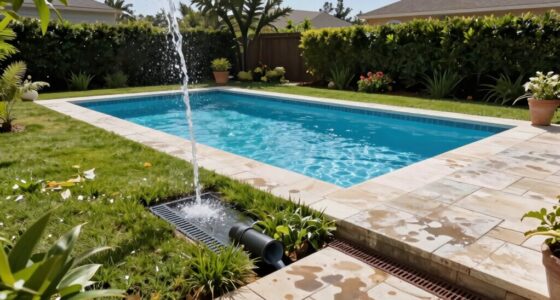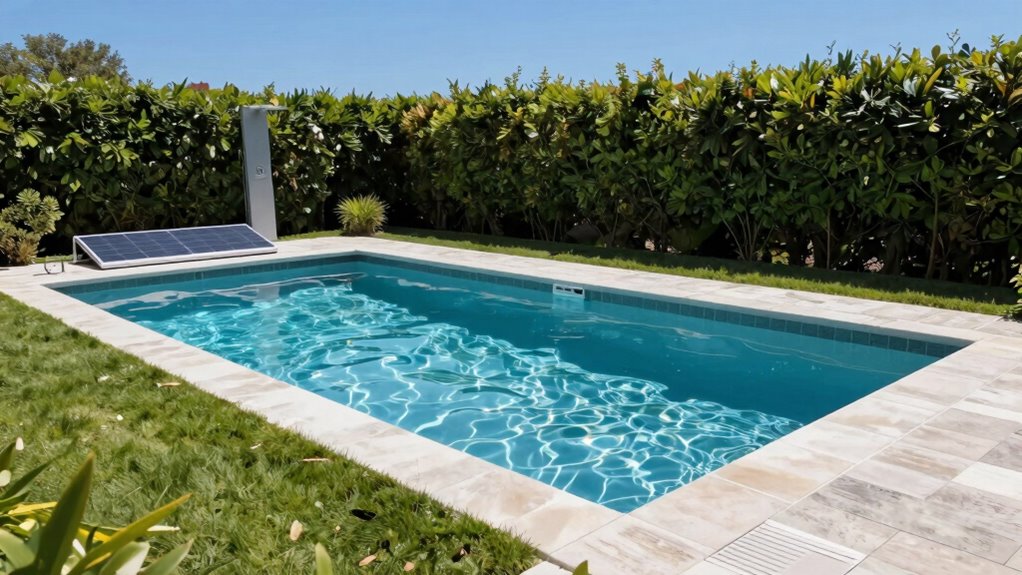

A backyard pool impacts the environment more than you might think, mainly through chemical use, energy consumption, and land disruption. Chemicals like chlorine and algaecides can seep into soil and water, harming ecosystems, while energy used to run pumps and heaters adds to your carbon footprint. Construction and maintenance disturb habitats and native landscapes. If you want to understand how to reduce your pool’s ecological impact and find sustainable alternatives, stick around for more insights.

Get pool and patio gear delivered free with Prime
- Fast, free delivery on millions of items
- Prime Video, Amazon Music and more included
- Member-only deals all year
Key Takeaways
- Chemical use for water sanitation can contaminate soil, groundwater, and harm aquatic ecosystems through runoff.
- Construction and maintenance disturb land, displacing wildlife and causing habitat fragmentation.
- Energy consumption from pumps, heaters, and filtration systems contributes significantly to greenhouse gas emissions.
- Excess chemicals and runoff threaten local flora, fauna, and water quality.
- Implementing eco-friendly practices like natural filtration and native landscaping reduces environmental impact.
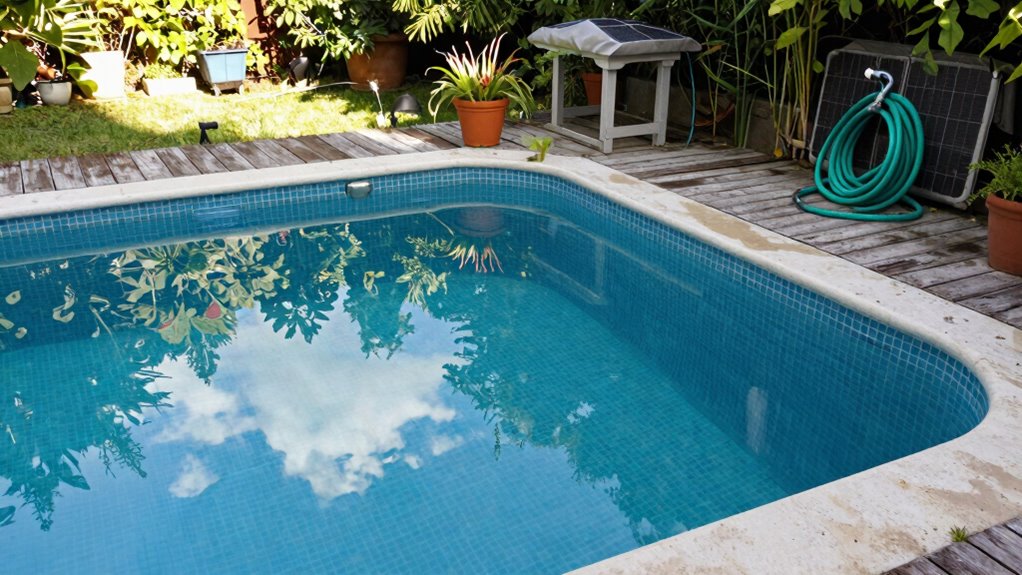
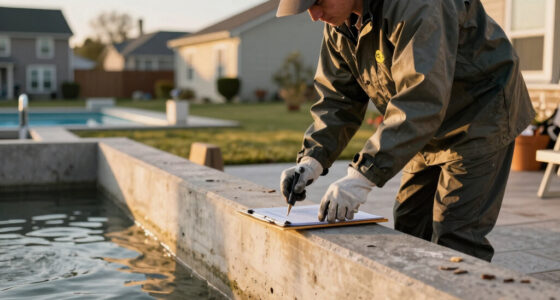
Have you ever wondered how much environmental impact your backyard pool has? It’s easy to focus on the fun and relaxation, but every pool also leaves a footprint on the environment. One of the biggest factors is chemical usage. Maintaining a clear, safe swimming environment involves adding chlorine or other disinfectants regularly. While these chemicals keep your pool hygienic and prevent algae growth, they don’t just stay in the water. Excess chemicals can seep into the soil and water table, potentially affecting local ecosystems. Over time, runoff from heavily chlorinated pools might reach nearby streams or groundwater, harming aquatic life and contaminating drinking water sources. Additionally, chemical balance adjustments often require other substances, like algaecides and pH adjusters, which further contribute to the chemical load introduced into the environment.
Beyond chemical concerns, your pool’s presence can also have a significant wildlife impact. Pests and animals may be attracted to the water, sometimes leading to unintended harm. Birds, insects, and small mammals might fall into the pool and struggle to escape if not promptly rescued. Furthermore, if you use chemical treatments excessively or improperly, these substances can poison wildlife that comes into contact with contaminated runoff or debris. The chemicals can also affect local plants, soil health, and water quality, disrupting the natural balance of nearby habitats. In addition, the construction and maintenance of your pool often involve land disturbance, which can displace native wildlife or destroy natural vegetation. Each step in building and maintaining the pool can contribute to habitat fragmentation, impacting local flora and fauna. Land disturbance from construction can also lead to erosion and sediment runoff, further impacting nearby ecosystems. Implementing natural filtration methods can help reduce reliance on chemical treatments, benefiting the environment. Using sustainable landscaping around your pool, such as native plants and permeable surfaces, can also lessen environmental disruption.
Additionally, the energy used to operate pool pumps, heaters, and filtration systems adds to your environmental footprint. These devices consume electricity, often derived from fossil fuels, which releases greenhouse gases into the atmosphere. Over time, this energy consumption accumulates, contributing to climate change. The production and transportation of pool chemicals and equipment likewise add to the carbon footprint, as they require resource extraction, manufacturing, and distribution. Being aware of energy-efficient options for your pool equipment can significantly reduce this impact. By choosing eco-friendly options, you can further lessen the ongoing environmental impact of your backyard pool. Incorporating sustainable practices in pool maintenance and design can further support eco-friendly living. All these factors combined highlight that a backyard pool isn’t just a source of leisure—it’s also an ongoing environmental concern. While enjoying your pool, it’s worth considering ways to minimize its impact, such as using eco-friendly chemicals, installing energy-efficient equipment, and implementing natural filtration methods. Being mindful of your pool’s environmental footprint helps you create a more sustainable oasis that balances fun with responsibility.
eco-friendly pool water sanitizer
As an affiliate, we earn on qualifying purchases.
As an affiliate, we earn on qualifying purchases.
Frequently Asked Questions
How Does Pool Maintenance Affect Local Water Sources?
Pool maintenance can negatively impact local water sources through chemical runoff, where excess chlorine and other chemicals wash into nearby streams or groundwater, harming ecosystems. Additionally, frequent refilling of pools wastes water, reducing water conservation efforts. You should minimize chemical use, fix leaks promptly, and adopt eco-friendly cleaning methods to lessen this impact, helping to protect local water sources and support sustainable water management.
Are There Eco-Friendly Pool Cleaning Options?
Yes, eco-friendly pool cleaning options exist, and they’re a breath of fresh air for your backyard oasis. You can opt for natural filtration systems that reduce chemical use, helping protect your local water sources. Solar heating is another sustainable choice, harnessing the sun’s power to warm your pool efficiently. These options let you enjoy your pool responsibly, making a splash without harming the environment.
What Are the Long-Term Energy Costs of a Pool?
Your long-term energy costs for a pool depend on factors like equipment and usage. Choosing energy-efficient pumps can notably reduce electricity bills, while solar heating offers a sustainable way to warm your pool without high energy costs. Regular maintenance guarantees ideal performance, further lowering expenses. Over time, these investments pay off by decreasing your energy consumption and environmental impact, making your pool both eco-friendly and cost-effective.
Can Pools Be Made More Sustainable?
Yes, you can make pools more sustainable by using natural filtration systems that reduce chemical use and energy consumption. Incorporate recyclable materials in pool construction to lessen environmental impact. Additionally, consider installing energy-efficient pumps and solar heating to cut long-term costs. By choosing eco-friendly options, you help conserve resources while enjoying your backyard pool, making it a greener and more sustainable addition to your home.
How Does Pool Chemistry Impact Environmental Health?
Ever wonder how your pool’s chemistry impacts the environment? When you maintain proper chemical balance and regulate pH levels, you reduce the need for excessive chemicals, which can harm water ecosystems. Stable pH prevents the overuse of chlorine, minimizing chemical runoff and the formation of harmful byproducts. Keeping your pool’s chemistry in check guarantees safer water, less environmental damage, and a healthier backyard ecosystem.
As an affiliate, we earn on qualifying purchases.
Conclusion
So, next time you lounge by your backyard pool, remember the hidden cost beneath those shimmering waters. While it promises endless relaxation, it silently guzzles energy, drains resources, and leaves a hefty environmental footprint. Ironically, your personal oasis might be contributing more to climate change than your daily commute. Perhaps, the true luxury isn’t a backyard pool but a conscious choice to protect the very environment that makes your backyard a paradise in the first place.
As an affiliate, we earn on qualifying purchases.
As an affiliate, we earn on qualifying purchases.
Halloween Picks
halloween
As an affiliate, we earn on qualifying purchases.