
To keep your child safe, combining layers like vigilant supervision, emergency preparedness, and safety rules works much better than relying on just one. Active supervision constantly monitors your child’s environment, while emergency plans and drills prepare everyone for unexpected events. When these layers work together, they create a strong safety net that reduces risks and boosts confidence. If you want to discover more ways to build an all-encompassing safety approach, keep exploring how these strategies reinforce each other.
Key Takeaways
- Combining supervision, emergency preparedness, and safety education creates a comprehensive protection system for children.
- Layered safety strategies reinforce each other, reducing vulnerabilities and enhancing overall child security.
- Vigilant supervision prevents hazards before emergencies occur, while preparedness ensures effective responses if needed.
- Integrating indoor safety measures with active supervision offers holistic protection in various environments.
- A multi-layered approach supports child development and independence within a secure, resilient safety framework.
Have you ever wondered how to keep your child safe in various environments? It’s a natural concern, and the answer lies in understanding that safety isn’t about just one measure – it’s about layers that work better together than alone. When you focus on multiple safety strategies, you create a strong, all-encompassing shield around your child. One of the most essential layers is emergency preparedness. Knowing what to do during emergencies, whether it’s a fire, natural disaster, or medical crisis, gives you and your child confidence and quick reaction times. Practicing fire drills, having an emergency kit, and teaching your child how to call for help are crucial steps. But even the best emergency plans can fall short if not supported by vigilant parental supervision.
Layer safety with emergency prep and vigilant supervision for comprehensive child protection.
Parental supervision acts as the constant, active layer of safety. It’s what keeps your child from wandering into dangerous situations or making unsafe choices. While supervision doesn’t mean hovering, it does require your attentive presence, especially in unpredictable environments like parks, pools, or busy streets. When you stay engaged, you can spot hazards before they cause harm and intervene early. Supervision also involves setting clear boundaries and teaching your child about safety rules, reinforcing the lessons learned during emergency preparedness drills. These layers complement each other perfectly: emergency preparedness ensures you’re ready to handle crises, while supervision helps prevent many incidents from happening in the first place. Additionally, understanding indoor air quality can play a vital role in overall child safety, especially in enclosed spaces.
Think of these layers as parts of a safety net. Emergency preparedness prepares you to respond effectively if something goes wrong, but without supervision, your child might still be exposed to risk. Conversely, vigilant supervision minimizes many dangers, but it’s not enough if an unforeseen emergency occurs. Combining both creates a resilient safety environment. You plan ahead, teach your child safety protocols, and remain alert to their surroundings. When emergencies happen, your preparedness allows for swift action, and your supervision ensures that your child is constantly monitored and guided. Recognizing the importance of preventive safety measures can further enhance your child’s protection. This layered approach not only reduces risks but also builds your child’s confidence and understanding of safety.
In the end, child safety isn’t about relying on a single measure. It’s about integrating emergency preparedness with active parental oversight, creating a multi-layered safety system that adapts to different situations. When you do this, you give your child the best chance to stay safe and develop independence, knowing they’re supported by a strong, well-rounded safety network that works better together than alone.
As an affiliate, we earn on qualifying purchases.
Frequently Asked Questions
How Do Safety Layers Adapt to Different Ages and Developmental Stages?
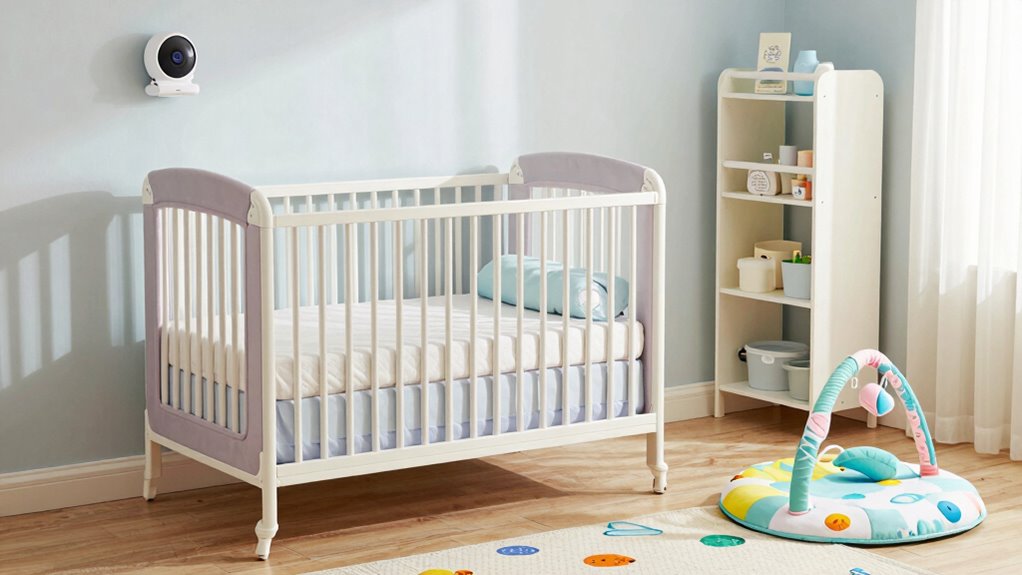
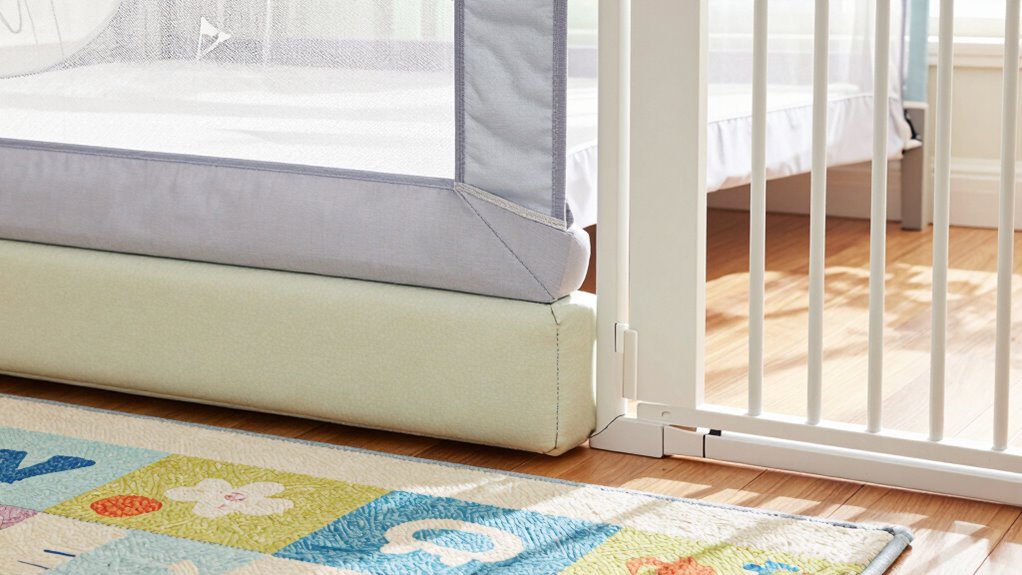
You adapt safety layers by considering age-appropriate precautions and developmental considerations, ensuring they evolve as your child grows. For infants, use safety gates and secure furniture, while toddlers need outlet covers and close supervision. As children develop, introduce seat belts, teach safety rules, and encourage independence with guidance. Continuously evaluating their abilities helps you balance protection and independence, making safety layers more effective at each stage.
Are There Specific Brands or Products Recommended for Layered Child Safety?
Did you know that parents who compare brands are 30% more likely to choose safer products? For layered child safety, consider trusted brands like babyproofing experts and tech companies. Read product reviews and brand comparisons to find top-rated safety gates, outlet covers, and monitoring devices. These resources help you pick reliable products that fit your child’s age and development, ensuring a safer environment as they grow and explore.
How Often Should Safety Layers Be Inspected or Replaced?
You should inspect your safety layers monthly to make certain they’re functioning properly and address any issues promptly. Regular safety maintenance helps extend product longevity and keeps your child protected. Replace safety layers immediately if you notice damage, wear, or malfunction. Staying vigilant and maintaining these layers regularly ensures they continue to work effectively, providing a safe environment for your child. Consistent checks are key to effective child safety management.
Can Multiple Safety Layers Interfere With Each Other’s Effectiveness?
Did you know that 75% of child safety incidents could be prevented with proper safety layers? Multiple safety technology devices and parental supervision generally complement each other, enhancing protection. However, if not coordinated, they can sometimes interfere—like false alarms causing confusion. To maximize effectiveness, make sure safety layers are integrated properly and consistently monitored, so they work seamlessly together rather than detracting from each other’s protective capabilities.
What Training Is Needed for Parents to Implement Safety Layers Properly?
You need extensive training to implement safety layers effectively at home. Focus on home safety protocols, like securing furniture, installing safety gates, and managing hazards. Also, learn emergency preparedness skills, such as how to respond to fires, injuries, or other crises. Regularly practice safety drills with your children, and stay updated on safety tips. This training helps you create a safer environment, reducing risks and ensuring quick, confident action when needed.
child safety supervision products
As an affiliate, we earn on qualifying purchases.
As an affiliate, we earn on qualifying purchases.
Conclusion
So, there you have it—layering child safety measures isn’t just a good idea, it’s the *secret* to outsmarting those sneaky little adventurers. Think of it as a superhero team-up, where each layer’s got your back—until one gets tired and the next steps in. Remember, a little extra effort now saves a lot of heartbreak later. After all, who wouldn’t want their home to be a fortress, not a playground for tiny troublemakers?
fire drill practice kit for kids
As an affiliate, we earn on qualifying purchases.
As an affiliate, we earn on qualifying purchases.
child safety rules teaching tools
As an affiliate, we earn on qualifying purchases.
As an affiliate, we earn on qualifying purchases.