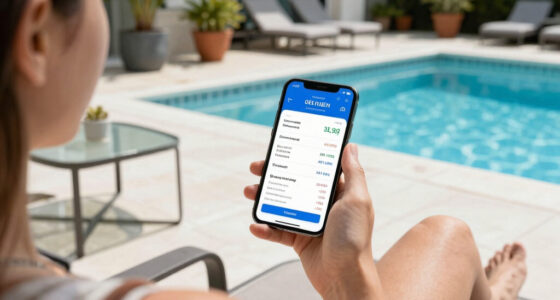

Many insurance policies overlook proactive safety measures like fencing, covers, alarms, and signage, which are crucial to prevent accidents. They often focus only on damages after incidents occur, leaving you vulnerable to high liability costs if safety precautions aren’t in place. Environmental hazards and surrounding risks are also frequently ignored, potentially increasing your exposure. To better protect yourself, understanding these gaps and how safety practices can reduce risks is essential—keep exploring to find out more.

Get pool and patio gear delivered free with Prime
- Fast, free delivery on millions of items
- Prime Video, Amazon Music and more included
- Member-only deals all year
Key Takeaways
- Standard policies often overlook proactive safety features like fencing, alarms, and signage that prevent accidents.
- Liability coverage limits may be insufficient for serious injuries or damages, leading to out-of-pocket expenses.
- Insurance tends to focus on post-incident costs rather than encouraging preventive safety measures.
- Environmental hazards around the pool, such as natural landscape risks, are frequently not accounted for.
- Regular safety assessments and maintenance practices are usually not emphasized in coverage, increasing risk exposure.
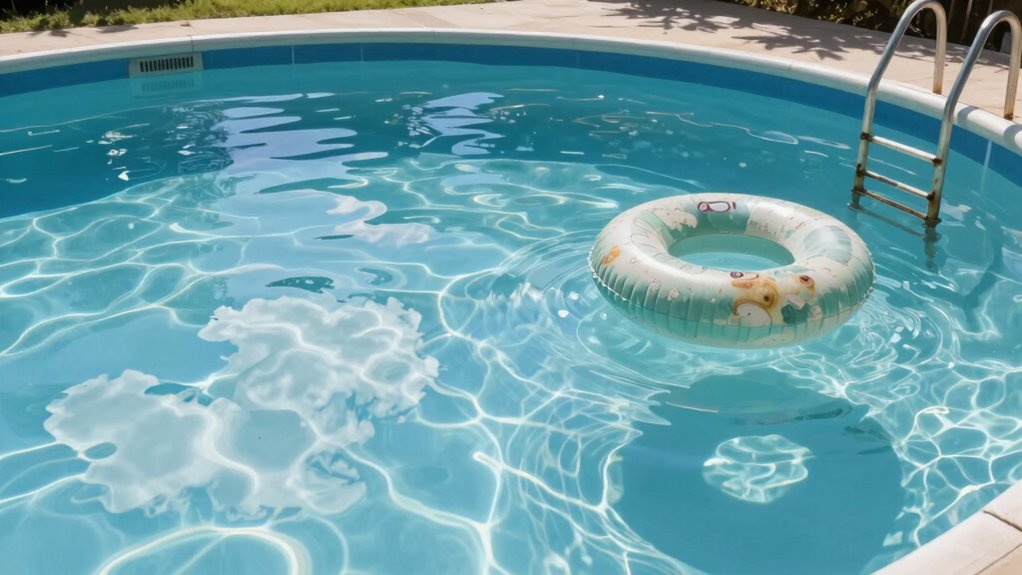
Have you ever wondered if your pool is fully protected under your insurance policy? Many homeowners assume that their standard coverage covers all pool-related risks, but that’s often not the case. One of the biggest oversights in typical insurance policies is the lack of sufficient water safety measures. While your policy might cover damages or injuries, it may not account for the importance of proactive water safety practices. If someone gets hurt in your pool, the fallout isn’t just about the injury; it’s also about whether you’ve taken proper precautions to prevent accidents in the first place. Lack of water safety measures can turn a minor incident into a costly liability issue, especially if you’re found negligent.
Ensure your pool safety measures are in place to prevent costly liability issues and protect your loved ones.
Liability coverage is a critical component of any homeowner’s insurance, yet many underestimate its limits when it comes to pool-related incidents. Your policy might promise protection, but if the liability coverage isn’t high enough, you could be left footing a hefty bill. For example, if a guest slips and injures themselves, or if a child accidentally falls in and faces serious harm, the damages can quickly add up beyond your policy’s limits. It’s essential to review your liability coverage carefully and consider increasing it if you have a pool. Many policies don’t automatically account for the added risk that a pool presents, so you may need to ask your insurer about specific pool coverage or riders that can extend your protection.
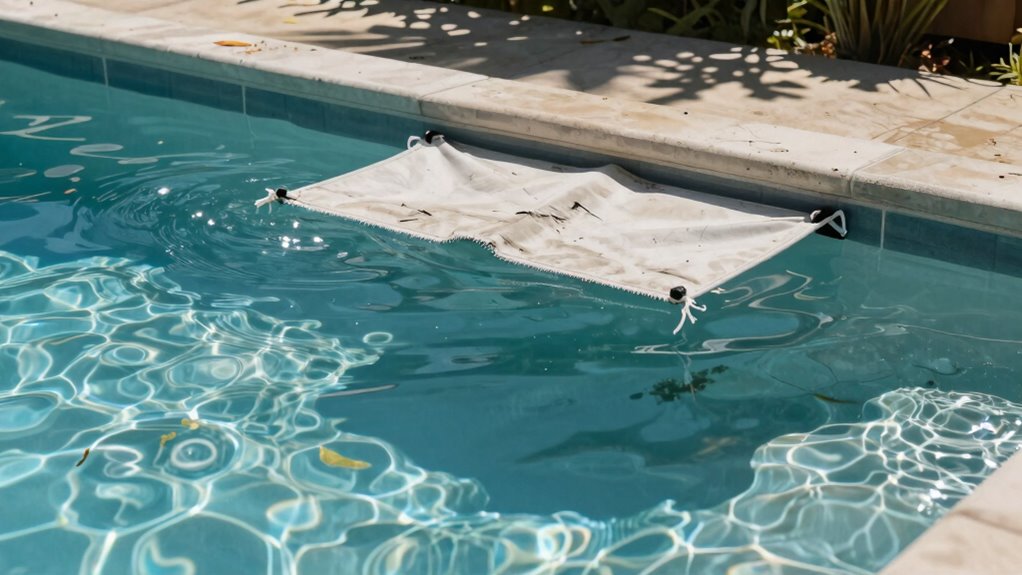
Another area that insurance often overlooks is the importance of safety features and proper pool maintenance. Insurance policies tend to focus on covering damages after an incident occurs but don’t always encourage proactive safety measures. Things like fencing, pool covers, alarms, and clear signage aren’t just good safety practices—they can also influence your liability risk and your insurer’s willingness to cover certain claims. Neglecting these safety features might not only put people at risk but could also jeopardize your coverage if an accident happens and your insurer deems your precautions insufficient. Additionally, regular pool maintenance can help prevent accidents caused by equipment failure or water quality issues, further reducing your risk. Implementing community-approved safety protocols can significantly decrease the likelihood of incidents and improve your overall safety record. Moreover, understanding the biodiversity of your surroundings can help identify environmental risks that might affect your pool’s safety and your insurance coverage. Being aware of local environmental hazards can also inform your safety measures and help prevent unforeseen incidents that could impact your coverage. Recognizing the environmental factors influencing your pool’s safety can be a crucial step in comprehensive risk management.
In the end, understanding what your insurance covers—and what it misses—is key to truly protecting yourself. It’s not enough to rely solely on a policy that provides basic liability coverage; you need to actively implement safety measures and ensure your coverage limits are adequate for your pool’s risks. Being proactive about water safety and reviewing your liability coverage can save you from unforeseen financial burdens and help you enjoy your pool with peace of mind.
As an affiliate, we earn on qualifying purchases.
Frequently Asked Questions
How Do Seasonal Changes Affect Pool Risk Assessments?
Seasonal fluctuations considerably impact your pool risk assessments. During colder months, the risk of damage or accidents drops, but in peak season, risks like slips or equipment failure increase. You should adjust your maintenance scheduling accordingly, ensuring inspections and repairs happen before high-use periods. Ignoring these seasonal changes can lead insurance gaps, leaving you vulnerable to unexpected costs. Properly aligning your risk assessments with seasonal trends keeps your pool safer and more insured.
Are There Specific Risks for Different Pool Types or Sizes?
You’re overlooking that different pool types or sizes bring unique risks that can’t be ignored. Larger pools demand more diligent water chemistry management and extensive pool maintenance, making them prone to costly issues if neglected. Small, above-ground pools might seem simple but pose risks like structural failure or chemical imbalance. You need tailored coverage that accounts for these differences, ensuring you’re protected from unexpected expenses regardless of your pool’s size or type.
What Safety Features Are Often Overlooked by Insurers?
Insurers often overlook essential safety features like proper pool maintenance and safety equipment. You might not realize that regular pool upkeep, such as cleaning and chemical balancing, reduces risks, yet it’s often neglected in policies. Additionally, safety equipment like fencing, alarms, and life-saving devices are vital but frequently missed. Ensuring these features are in place and documented can markedly lower your risk and improve your coverage.
How Does Local Climate Influence Pool-Related Insurance Claims?
Your local climate considerably influences pool-related insurance claims. In warmer areas, higher water temperatures can lead to increased evaporation and algae growth, raising maintenance costs and potential damage. Conversely, colder climates might cause freeze damage if a pool cover isn’t properly used or maintained. Insurers often overlook these climate impacts, so you should make certain your pool cover is appropriate and monitor water temperature to prevent costly issues.
Are There Hidden Costs in Pool Insurance Policies?
They say “the devil is in the details,” and pool insurance isn’t an exception. Hidden costs often lurk in liability coverage exclusions, which can leave you vulnerable during a claim. Policy exclusions might omit coverage for certain accidents or damages, so you could be surprised when you need coverage most. Always review your policy carefully, ask questions, and make sure your liability coverage truly protects you from all pool-related risks.
As an affiliate, we earn on qualifying purchases.
Conclusion
So, as you wade through the depths of pool risk, remember that insurance often misses the hidden currents beneath the surface. It’s like trying to catch a fish with your bare hands—some dangers slip through, unnoticed and unguarded. Stay vigilant, and don’t rely solely on coverage to keep you afloat. By understanding these unseen risks, you’re steering your safety ship through calmer waters, avoiding the whirlpools insurance might overlook.
As an affiliate, we earn on qualifying purchases.
As an affiliate, we earn on qualifying purchases.
Fall Picks
fall essentials
As an affiliate, we earn on qualifying purchases.