
To keep your commercial pool running smoothly, you should prioritize equipment redundancy by installing backup systems for key components like chemical feeders, filters, and safety alarms. Regular testing and maintenance guarantee these backups are always ready to step in during failures. Train your staff on swift switch-over procedures and conduct routine drills to prevent lapses in water quality or safety. By maintaining robust redundancy strategies, you can minimize downtime and uphold safe, continuous operation—more essential ideas await you.

Get pool and patio gear delivered free with Prime
- Fast, free delivery on millions of items
- Prime Video, Amazon Music and more included
- Member-only deals all year
Key Takeaways
- Implement redundant chemical treatment systems to ensure continuous water sanitation during equipment failures.
- Establish clear safety protocols and staff training for quick backup system activation.
- Install redundant alarms, sensors, and emergency shutdowns to detect and respond to system malfunctions promptly.
- Conduct regular testing, maintenance, and drills to verify backup system readiness and staff preparedness.
- Design comprehensive redundancy strategies that integrate safety features and facilitate seamless system transitions.
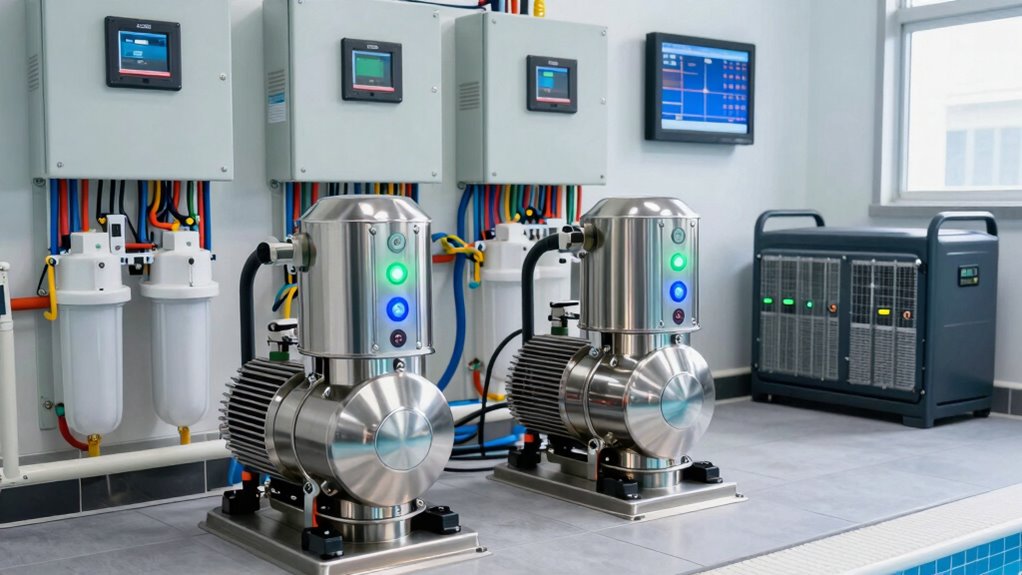
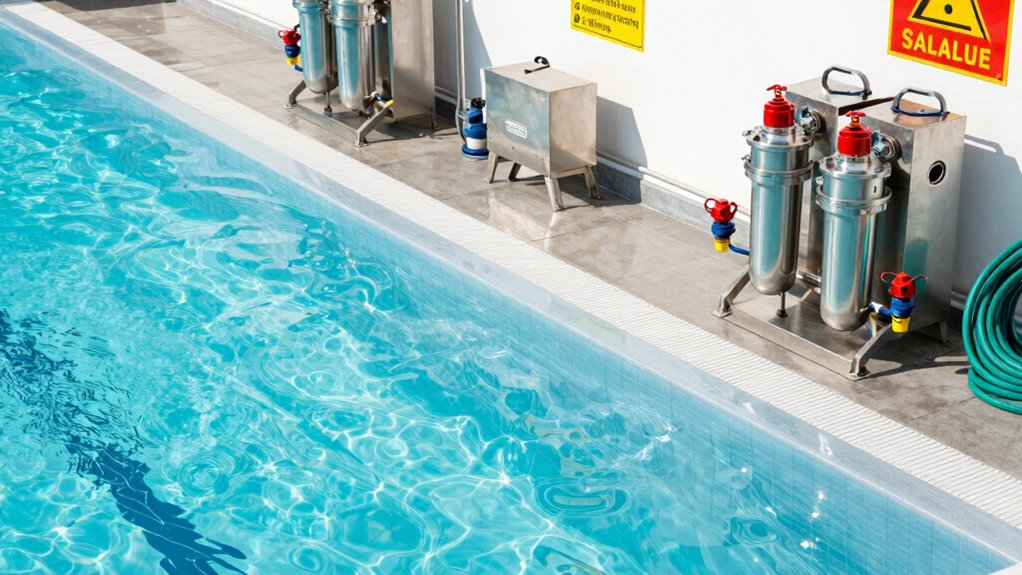
Ensuring continuous operation of a commercial pool requires careful planning around equipment redundancy. When you’re managing a busy aquatic facility, downtime isn’t just inconvenient—it can compromise safety, disrupt schedules, and damage your reputation. That’s why having backup systems in place isn’t optional; it’s essential. One of the most critical areas to focus on is chemical treatment equipment. If your primary chlorination or pH balancing systems fail, your water quality can quickly deteriorate, creating unsafe conditions for swimmers. To prevent this, you should invest in redundant chemical feeders, ensuring that if one unit malfunctions, a backup seamlessly takes over without interruption. Regularly testing and maintaining these systems is key to catching potential issues early, so your chemical treatment remains consistent and reliable.
Invest in redundant chemical feeders and perform regular maintenance to ensure continuous, safe water treatment.
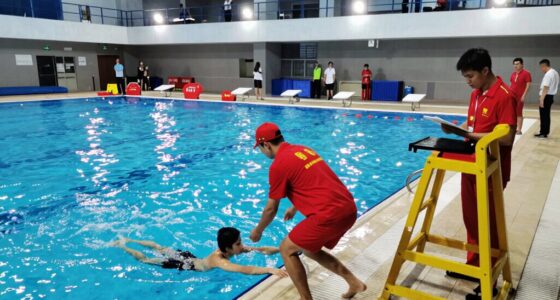
Safety protocols are another cornerstone of equipment redundancy. You need clear procedures for switching to backup systems during equipment failure, which includes training staff to respond swiftly and correctly. When backup equipment kicks in, safety protocols ensure that the transition doesn’t compromise water quality or swimmer safety. For example, if a filtration pump fails, your team should immediately activate a redundant pump while monitoring water parameters to avoid any lapse in sanitation. Establishing and practicing these protocols helps prevent panic and minimizes the risk of accidents or water quality issues. Incorporating maintenance practices into your routine can also improve the overall resilience of your system, reducing the likelihood of unexpected failures. Additionally, implementing proactive maintenance strategies can help identify potential issues before they lead to system failure and ensure your equipment remains in optimal condition. Recognizing the importance of system redundancy across all components further reinforces your facility’s ability to maintain continuous operation under various circumstances.
In addition, it’s wise to incorporate redundancy in essential safety features like alarms, sensors, and emergency shutdown systems. If a sensor detects abnormal chemical levels or filtration problems, redundant alarms should alert staff immediately. This quick response minimizes exposure to unsafe conditions and maintains compliance with health standards. Redundancy in these safety systems acts as a safety net, ensuring that no single point of failure can leave the pool unprotected. Incorporating biodiversity considerations into safety and maintenance practices can also enhance the resilience of your facility by promoting sustainable and environmentally friendly solutions. Regular testing and system audits are crucial to verify that all backup components are in working order and ready to activate when needed.
Finally, regular audits and testing of your backup systems are vital. You should routinely verify that all redundant equipment is operational and ready to activate at a moment’s notice. This includes scheduling maintenance and conducting drills to simulate failures so your team knows exactly how to respond. By integrating redundancy into your chemical treatment processes and safety protocols, you create a resilient environment that prioritizes swimmer safety, water quality, and uninterrupted operation. In the end, thoughtful equipment redundancy isn’t just about avoiding downtime; it’s about safeguarding everyone who steps into your pool.
commercial pool chemical feeder backup system
As an affiliate, we earn on qualifying purchases.
As an affiliate, we earn on qualifying purchases.
Frequently Asked Questions
How Much Does Equipment Redundancy Typically Cost for Commercial Pools?
Equipment redundancy for commercial pools usually costs between 10% and 30% of your total system setup, depending on the complexity and scale. Conducting a thorough cost analysis helps you weigh these expenses against risk mitigation benefits. While it might seem costly upfront, redundancy reduces downtime risks, saves money in the long run, and guarantees uninterrupted pool operation, making it a smart investment for maintaining consistent uptime.
What Are the Most Common Types of Redundant Pool Equipment?
Imagine a safety net woven with durable, energy-efficient fibers—these are your most common redundant pool equipment. You’ll find dual pumps, backup filtration systems, and secondary heaters working seamlessly behind the scenes. These setups guarantee pool safety and uphold energy efficiency, so your facility remains operational even when unexpected issues arise. By investing in these redundancies, you create a resilient environment that prioritizes safety and conserves energy during every swim.
How Does Redundancy Impact Maintenance Requirements?
Redundancy can increase your maintenance requirements by necessitating more frequent maintenance scheduling for multiple units. You’ll need to carefully manage spare parts to guarantee replacements are readily available without overstocking. Regular checks on redundant equipment help prevent failures, but they also demand extra time and resources. Overall, while redundancy might boost upkeep efforts, it markedly reduces downtime, keeping your pool operational and safe for users.
Can Redundancy Solutions Be Customized for Different Pool Sizes?
Yes, redundancy solutions can be customized for different pool sizes. For example, a large hotel pool might require dual pumps and backup filters, while a small community pool might only need a simple second pump. Redundancy customization guarantees you get the right level of protection without overspending. By tailoring equipment based on pool size, you optimize uptime, simplify maintenance, and enhance reliability—making your pool operation more efficient and resilient.
What Are the Latest Technological Advancements in Pool Equipment Redundancy?
You’ll find that the latest advancements in pool equipment redundancy include smart sensors and IoT integration. These technologies enable real-time monitoring, predictive maintenance, and automatic system adjustments, reducing downtime. Smart sensors detect issues early, while IoT connects equipment for seamless communication and control. Together, they enhance system reliability, optimize performance, and guarantee continuous pool operation, giving you peace of mind and minimizing service disruptions.
redundant pool safety alarm system
As an affiliate, we earn on qualifying purchases.
As an affiliate, we earn on qualifying purchases.
Conclusion
By carefully choosing your equipment redundancy strategies, you’re setting the stage for continuous pool operation. But what if the unexpected happens just when you least anticipate? Staying prepared means understanding the right redundancy decisions now, so you can avoid costly downtime later. Keep your eyes on the future, because the right choice today could be the difference between seamless service and a shutdown when it counts most. Are you ready to protect your pool’s uptime?
As an affiliate, we earn on qualifying purchases.
emergency shutdown system for pools
As an affiliate, we earn on qualifying purchases.
As an affiliate, we earn on qualifying purchases.
Columbus Day / Indigenous Peoples' Day Picks
long weekend sales
As an affiliate, we earn on qualifying purchases.