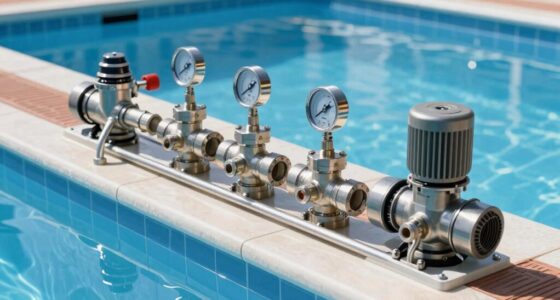
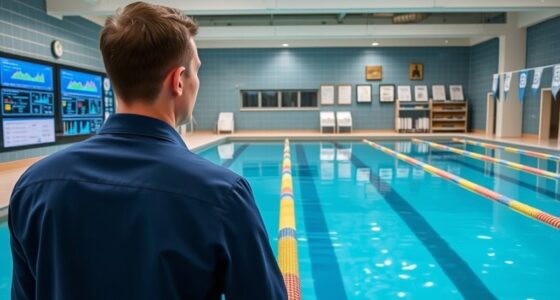
In busy aquatic facilities, staff training gaps become clear quickly through safety lapses, slow emergency responses, and customer service struggles. When staff aren’t well-trained in critical skills like CPR and first aid, delays can endanger lives and increase liability. Poor communication or unconfidence during crowded times can lead to confusion and mistakes. If you keep exploring, you’ll discover effective ways to identify and close these gaps before they impact safety and service.

Get pool and patio gear delivered free — and shop member deals
- Fast, free delivery on millions of items
- Access to Prime Big Deal Days deals on October 6–7
- Prime Video, Amazon Music and more included
Key Takeaways
- Staff hesitation or delays during emergencies due to inadequate training in CPR and first aid.
- Inconsistent responses to customer issues, leading to poor service and safety lapses.
- Confusion and errors from unaligned protocols during high-pressure situations.
- Lack of confidence in emergency procedures, slowing rescue efforts in busy environments.
- Failure to conduct regular drills results in unprepared staff and increased safety risks.
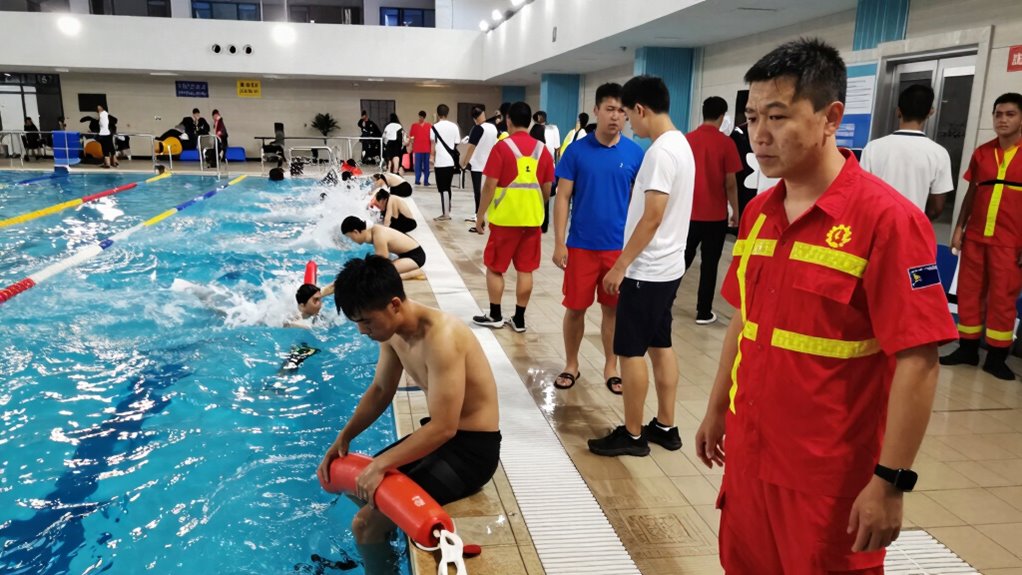
In busy aquatic facilities, staff training gaps can pose serious safety risks and operational challenges. When the pool area is crowded, and the pace is fast, even small lapses in training can lead to significant issues. One of the most critical areas affected is emergency response. If staff members aren’t fully prepared to handle emergencies, such as a swimmer in distress or a medical incident, the consequences can be severe. Quick, decisive action is essential, but without proper training, staff might hesitate or make mistakes, delaying rescue efforts or mishandling the situation. This delay not only endangers the individual involved but also increases liability for the facility. Ensuring everyone knows their role during an emergency, from CPR to first aid protocols, is vital for maintaining safety in these high-pressure moments. Regular refresher courses can also help reinforce critical skills and keep responses swift and accurate.
Effective emergency response training is crucial to ensure swift action and safety in busy aquatic facilities.
Alongside emergency response, customer service often suffers when training gaps exist. Busy aquatic facilities attract diverse visitors with varying needs and expectations. When staff members lack comprehensive training in customer service, patrons can feel neglected or frustrated, especially during peak times. For instance, if staff aren’t equipped to handle complaints or assist with facility navigation efficiently, it can lead to negative experiences that tarnish the facility’s reputation. In a competitive environment, excellent customer service isn’t just a nicety—it’s a necessity for retaining visitors and encouraging repeat business. Proper training ensures staff can communicate clearly, manage conflicts diplomatically, and provide a welcoming environment, even under stress. Additionally, consistent training can foster a team environment where staff trust each other’s abilities and responses, further improving overall service quality. Building a well-trained team also contributes to a positive work environment, which enhances overall operational efficiency. Moreover, a focus on ongoing education helps keep staff updated on best practices and emerging safety standards.
Additionally, these training gaps tend to surface quickly in busy settings because of the sheer volume of interactions and incidents. When multiple staff members are not aligned on protocols, confusion ensues, and the likelihood of errors increases. For example, inconsistent responses to minor issues can escalate into larger problems, and a lack of confidence in emergency response procedures can slow down rescue efforts. Regular, targeted training sessions are essential to keep everyone sharp and up to date. Such training should emphasize practical drills for emergency response and role-playing scenarios for customer interactions, reinforcing confidence and competence. Recognizing the importance of proper staff training can be the difference between a safe, smooth operation and a preventable disaster.
As an affiliate, we earn on qualifying purchases.
Frequently Asked Questions
How Often Should Staff Undergo Refresher Training?
You should schedule refresher training every six months to maintain staff motivation and guarantee skills stay sharp. Customizing training sessions based on your team’s experience keeps them engaged and prepared for emergencies. Regular refreshers prevent gaps from forming, especially in busy aquatic facilities. By staying proactive, you boost confidence, improve safety, and foster a motivated team that’s ready to handle any situation efficiently.
What Are the Most Overlooked Safety Protocols?
You might think emergency drills are obvious, but they’re often overlooked, risking customer safety. In busy aquatic facilities, staff sometimes forget to practice these essential protocols, assuming they won’t need them. Yet, emergency drills are critical for quick, effective responses. Neglecting them can turn a minor incident into a disaster. Prioritize regular drills, reinforce safety procedures, and make certain everyone’s prepared to protect both guests and staff when it counts most.
How to Handle Language Barriers During Training?
To handle language barriers during training, you should prioritize multilingual communication and cultural sensitivity. Use visual aids, demonstrative techniques, and translated materials to guarantee everyone understands safety protocols. Encourage open dialogue and ask for feedback to identify gaps. Employ bilingual staff or interpreters when possible, and be patient and respectful. This approach fosters inclusivity, reduces misunderstandings, and helps your team stay safe and well-trained in a busy aquatic environment.
What Training Methods Are Most Effective for Large Teams?
You should prioritize interactive simulations and peer mentoring to train large teams effectively. Interactive simulations engage your staff actively, helping them practice real-life scenarios in a controlled environment. Peer mentoring fosters collaboration and knowledge sharing, making training more relatable and quicker to grasp. Combining these methods guarantees your team retains essential skills, boosts confidence, and reduces training gaps, even during busy periods.
How to Measure Training Program Success?
You can measure your training program’s success by tracking improvements in customer engagement and emergency preparedness. Use surveys and feedback to assess customer satisfaction and observe how staff handle emergency drills. Monitor incident reports and response times to gauge emergency readiness. Regularly review these metrics to identify gaps, then adapt your training to enhance overall service quality, safety, and staff confidence in a busy aquatic environment.
first aid kit for aquatic facilities
As an affiliate, we earn on qualifying purchases.
As an affiliate, we earn on qualifying purchases.
Conclusion
To keep your aquatic facility running smoothly, you need to stay ahead of staff training gaps—like a true Don Quixote battling windmills. Regularly review and update your training programs, ensuring staff are confident and competent. Remember, even in the busiest moments, a well-trained team makes all the difference. So, don’t wait for chaos to strike—be proactive and keep your facility safe, efficient, and as legendary as a knight’s tale!
As an affiliate, we earn on qualifying purchases.
As an affiliate, we earn on qualifying purchases.
Fall Picks
fall essentials
As an affiliate, we earn on qualifying purchases.