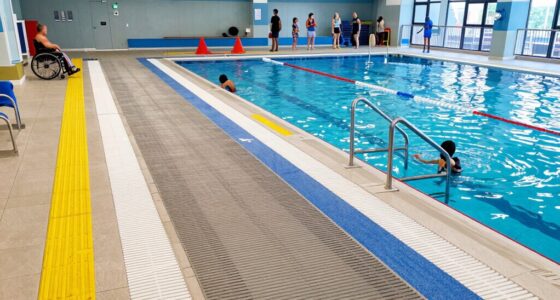

Keeping accurate pool operator logbooks is essential for passing inspections, maintaining safety, and avoiding liabilities. You should document daily water tests, safety checks, equipment details, and maintenance activities thoroughly and consistently. Using either digital or paper formats, guarantee your records are clear, organized, and up-to-date. Good log habits not only support compliance but also help you identify issues early. Keep exploring how proper record-keeping can boost your pool management efforts and ensure smooth inspections.
Listen free for 30 days with Audible
Thousands of audiobooks and originals — cancel anytime.
As an affiliate, we earn on qualifying purchases.
Key Takeaways
- Proper logbook records ensure compliance and provide evidence during inspections, demonstrating safety and maintenance standards.
- Accurate documentation of chemical levels, equipment checks, and safety protocols helps identify issues early and prevent hazards.
- Digital and paper logbooks enhance data security, facilitate quick access, and support audit readiness during regulatory reviews.
- Consistent record-keeping promotes accountability, reduces errors, and streamlines troubleshooting and routine maintenance.
- Staff training on proper logging practices ensures completeness and accuracy, safeguarding the pool’s operational integrity during inspections.
As an affiliate, we earn on qualifying purchases.
Why Proper Pool Logbook Record-Keeping Matters
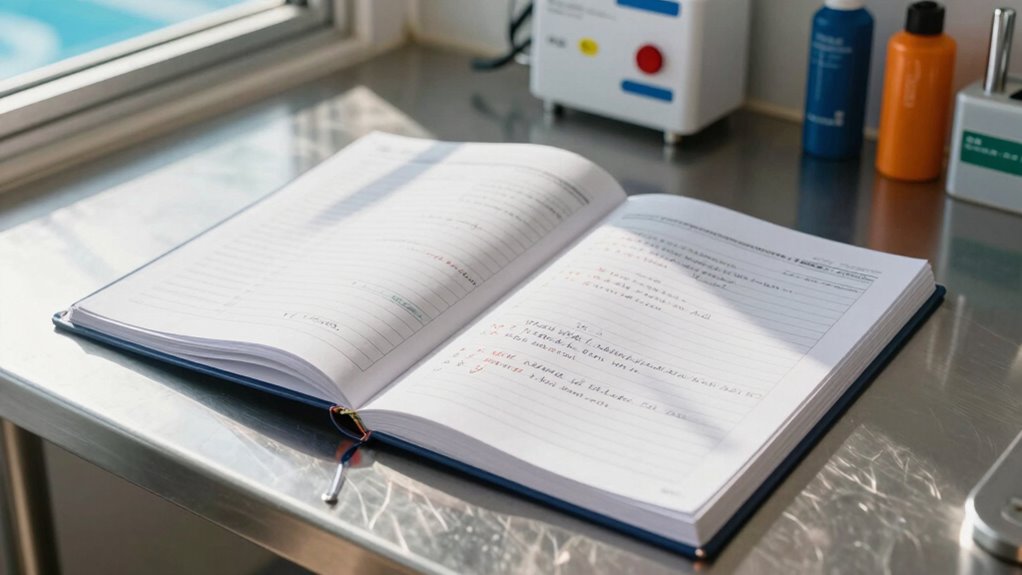
Proper pool logbook record-keeping is essential because it guarantees you have accurate documentation of maintenance, chemical levels, and safety checks. When you keep detailed records, you help ensure pool safety by quickly identifying issues before they become hazards. Consistent logging also promotes water conservation by tracking chemical use and water treatments, reducing waste. Accurate logs allow you to verify that safety protocols are followed and maintenance routines are completed on schedule. This diligent record-keeping can also facilitate long-term data analysis, helping you spot trends and improve overall pool management. Regularly reviewing these records can identify recurring issues, enabling proactive maintenance and repairs. In addition, proper documentation aids in demonstrating compliance with regulatory inspection requirements, which can prevent penalties and ensure the pool remains operational. Maintaining organized logbook templates can also streamline the inspection process and make record-keeping more efficient. Having a comprehensive record system in place ensures that all relevant information is easily accessible when needed. This not only helps prevent accidents but also demonstrates compliance during inspections. By maintaining thorough records, you make it easier to troubleshoot problems and optimize water use. Ultimately, proper record-keeping supports a safe, efficient, and environmentally responsible pool environment.
digital pool maintenance logbook
As an affiliate, we earn on qualifying purchases.
As an affiliate, we earn on qualifying purchases.
What Information to Include in Your Pool Logbook

When recording in your pool logbook, you need to include daily maintenance activities to track consistent care. Logging equipment checks and chemical levels guarantees safety and helps identify issues early. Make sure your entries are clear and detailed to keep your records accurate and useful. Proper logbook organization also facilitates quick access to important information during inspections. Implementing a detailed record-keeping system ensures that all relevant data is systematically stored and easily retrievable.
Daily Maintenance Records
To guarantee your pool remains safe and well-maintained, it’s essential to record specific details during each daily inspection. Accurate logs help track chemical balancing, equipment calibration, and overall conditions. Include entries for water temperature, pH levels, chlorine residuals, and sanitizer readings. Also, note any equipment checks, such as pump operation and filter status. Use the table below for quick reference:
| Item | Measurement/Status | Comments |
|---|---|---|
| Chemical levels | pH, chlorine, alkalinity | Adjustments needed? |
| Equipment calibration | Pumps, filters, sensors | Calibration dates or issues |
| Water clarity and safety | Visibility, debris | Cleaning needed? |
| Mechanical checks | Valve positions, leaks | Repairs required? |
Consistent documentation guarantees compliance and smooth inspections. Regular record-keeping practices ensure that issues are identified early and addressed promptly. Properly maintained logs also support regulatory compliance during official inspections.
Equipment and Chemical Logs
Keeping detailed records of your equipment and chemical readings makes certain your pool stays safe, clean, and compliant. Your equipment logs should include maintenance dates, repairs, and inspections to ensure proper equipment maintenance and prevent failures. For chemicals, record test results for pH, chlorine levels, alkalinity, and other essential parameters. Include the date, time, and specific readings for each test to monitor chemical safety consistently. Tracking chemical additions helps maintain water balance and prevents safety hazards. Regularly updating these logs ensures you catch potential issues early and demonstrate compliance during inspections. Clear, accurate entries support safe operation and help you troubleshoot problems efficiently, ultimately protecting swimmers and extending equipment lifespan. Utilizing smart lock systems for storage areas can further enhance security and access control, ensuring only authorized personnel handle critical records and chemicals. Additionally, implementing digital logbooks can streamline record management and improve data accuracy. Maintaining detailed logs also aids in regulatory compliance, making audits and inspections more straightforward and less stressful. Incorporating automated alerts for critical parameters can further prevent issues before they escalate, ensuring continuous safe operation.
As an affiliate, we earn on qualifying purchases.
How to Choose the Right Pool Logbook Format

Choosing the right pool logbook format is vital for maintaining organized and effective records. Your goal is to guarantee quick access to essential information, especially relating to pool safety and chemical management. Select a format that suits your operational style—whether digital for easy backups or paper for instant notes. Consider how the layout facilitates clear entries and easy retrieval during inspections. Use a format that prompts consistent documentation of safety checks and chemical levels. To help visualize, here’s a simple comparison:
| Digital Format | Paper Logbook |
|---|---|
| Easy to update and back up | Tangible, no tech needed |
| Searchable entries | Instant access on-site |
| Can automate reminders | Manual, less error-prone |
Additionally, incorporating record-keeping standards can enhance compliance and ensure your logs meet regulatory requirements. Understanding record retention policies can help you determine how long to keep specific records to meet legal obligations. Implementing standardized documentation practices further streamlines record management and reduces errors. Incorporating digital record-keeping can improve efficiency and minimize manual entry mistakes. Consider the importance of audit readiness to ensure your records are always prepared for inspections. Pick what aligns with your needs to streamline record-keeping and guarantee compliance.
pool safety inspection checklist
As an affiliate, we earn on qualifying purchases.
As an affiliate, we earn on qualifying purchases.
Best Practices for Daily Pool Inspection and Logging
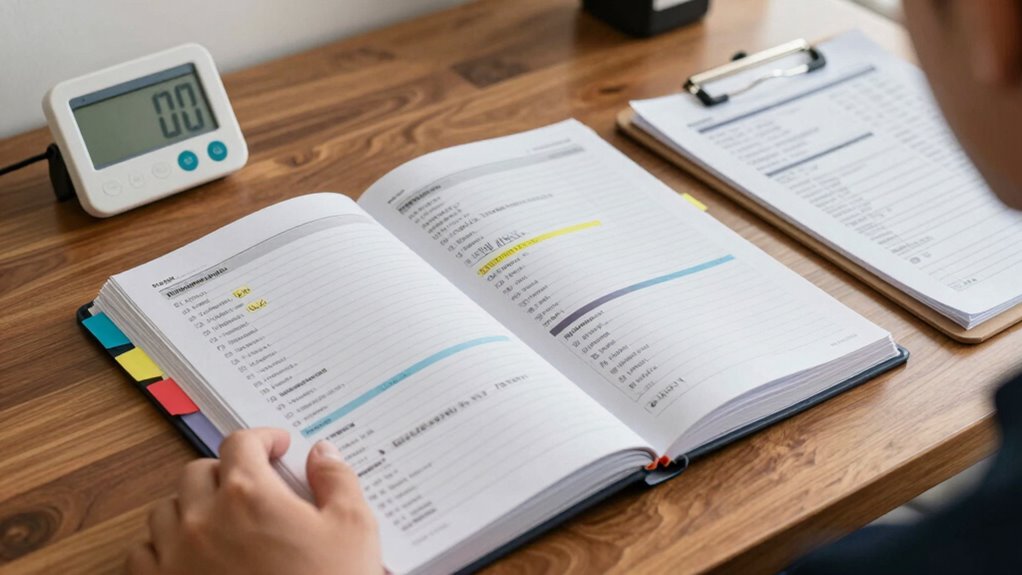
Conducting daily pool inspections is essential to guarantee safety, water quality, and proper chemical balance. During your inspection, check for potential chemistry hazards, such as improper chemical levels or equipment malfunctions that could compromise safety or water clarity. Consistently record your findings in your logbook, ensuring that all safety checks, chemical readings, and maintenance tasks are documented accurately. This legal documentation protects you during inspections and helps identify patterns or recurring issues. Use clear, detailed notes to capture any anomalies or concerns, even if they seem minor. Proper inspection techniques are vital for early detection of issues and maintaining water safety. Regular, precise logging promotes accountability and ensures compliance with health and safety standards. By following these best practices, you create a reliable record that supports ongoing pool safety and operational integrity.
How to Record Water Chemistry and Safety Checks
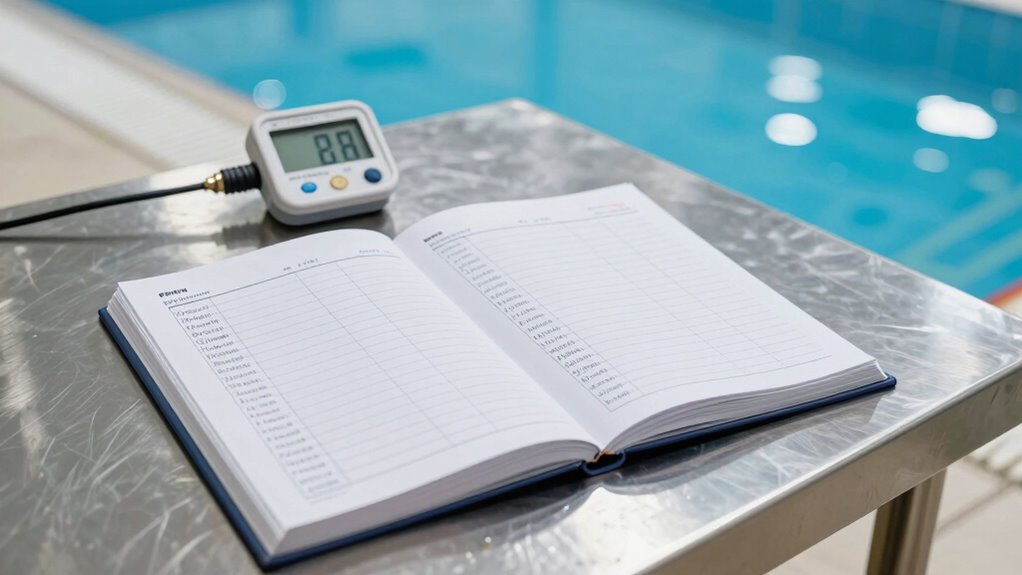
You need to accurately record water test results to keep track of chemical balance. Consistently monitoring chemical levels helps maintain safe and clean water. Don’t forget to document safety inspections to guarantee all safety protocols are followed.
Recording Water Test Results
Recording water test results accurately is essential for maintaining a safe and healthy pool environment. When you log these results, focus on capturing the chemical balance and ensuring safety protocols are adhered to. Use clear, consistent formats to note pH levels, sanitizer concentrations, alkalinity, and other key parameters. This precision helps you identify trends and spot issues early, preventing potential hazards. Always record the date and time of each test, along with the person responsible, to ensure accountability. Proper documentation ensures compliance during inspections and provides a reliable record of water quality over time. By meticulously recording water test results, you create an invaluable reference that supports ongoing safety and effective pool management.
Monitoring Chemical Levels Consistently
To guarantee water remains safe and balanced, monitoring chemical levels consistently is essential. You should regularly check chlorine levels to ensure proper disinfection and prevent harmful bacteria growth. Record these readings carefully in your logbook, noting the date and time for each test. Maintaining proper chemical balancing involves tracking pH, alkalinity, and sanitizer levels, which helps avoid issues like skin irritation or cloudy water. Use reliable testing kits and follow manufacturer instructions for accurate results. By consistently recording your water chemistry, you can quickly identify trends or deviations, allowing for prompt adjustments. This practice not only ensures swimmer safety but also keeps your pool compliant with health standards, making inspections smoother and more straightforward.
Documenting Safety Inspections
Consistently documenting safety inspections guarantees that water chemistry and safety measures are properly tracked and maintained. When recording safety checks, focus on pool safety protocols, such as inspecting safety equipment and ensuring signage is visible. Record water chemistry readings, including pH, chlorine levels, and alkalinity, to confirm the chemical balance is within safe ranges. Note any safety concerns or equipment malfunctions immediately, along with corrective actions taken. Accurate logs help identify patterns or issues before they escalate, providing a clear history for inspections. By maintaining precise records, you demonstrate compliance with safety standards and help ensure a safe swimming environment. Consistent documentation streamlines inspections and supports quick resolutions, protecting both swimmers and your facility.
Logging Maintenance and Repair Activities Effectively
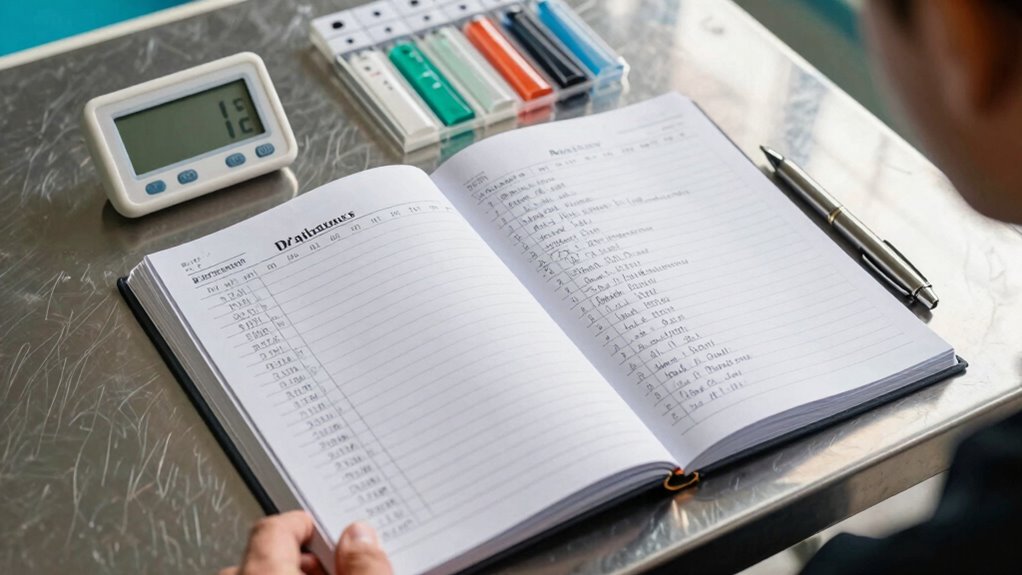
Effective logging of maintenance and repair activities guarantees you have a clear record of what was done, when, and by whom. This is essential for tracking water treatment adjustments, ensuring pool cleaning routines are properly documented, and identifying recurring issues. When you log repairs, specify the problem, the parts replaced or repaired, and the technician responsible. For maintenance, record routine tasks like filter cleaning, chemical checks, and equipment inspections. Accurate entries help you monitor trends, verify compliance, and provide evidence during inspections. Clear, detailed logs also facilitate communication with team members and contractors. By maintaining precise records, you ensure accountability, improve operational efficiency, and minimize downtime, making your pool safer and compliant with industry standards.
How Good Logbook Habits Support Compliance and Inspections
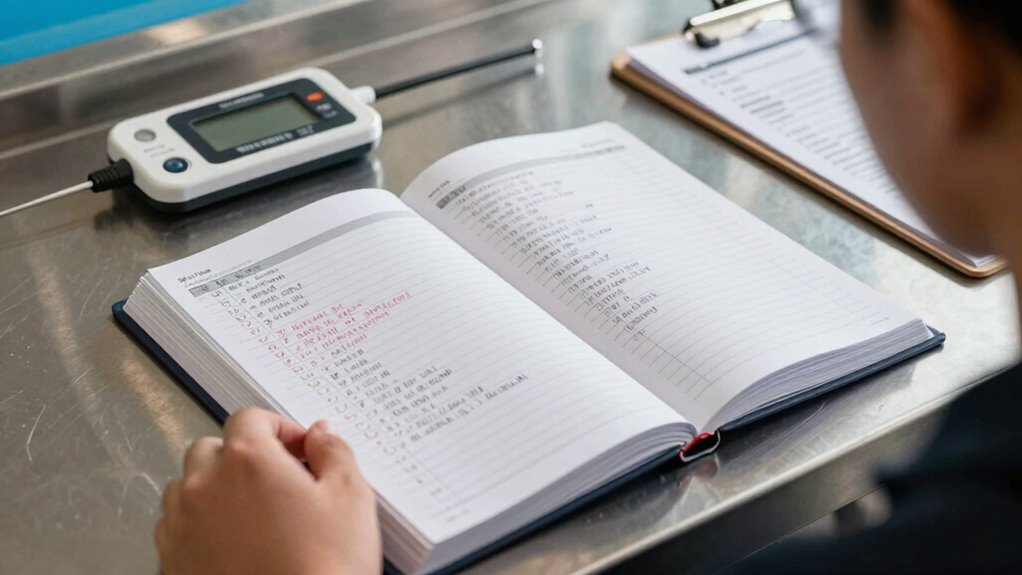
Maintaining good logbook habits directly supports compliance with industry standards and makes inspections smoother. When you keep detailed records of pool safety checks and daily operations, you demonstrate a commitment to safe practices. Proper documentation of chemical management ensures chemicals are balanced and stored correctly, reducing hazards. Consistent, accurate entries help inspectors verify that safety protocols are followed and regulations are met. Well-maintained logs can quickly address any questions or concerns during inspections, avoiding delays or penalties. Furthermore, these habits promote a proactive safety culture, preventing issues before they escalate. Clear, organized records not only show compliance but also enhance your ability to manage the pool effectively, safeguarding everyone who uses it.
Common Mistakes to Avoid in Pool Log Management
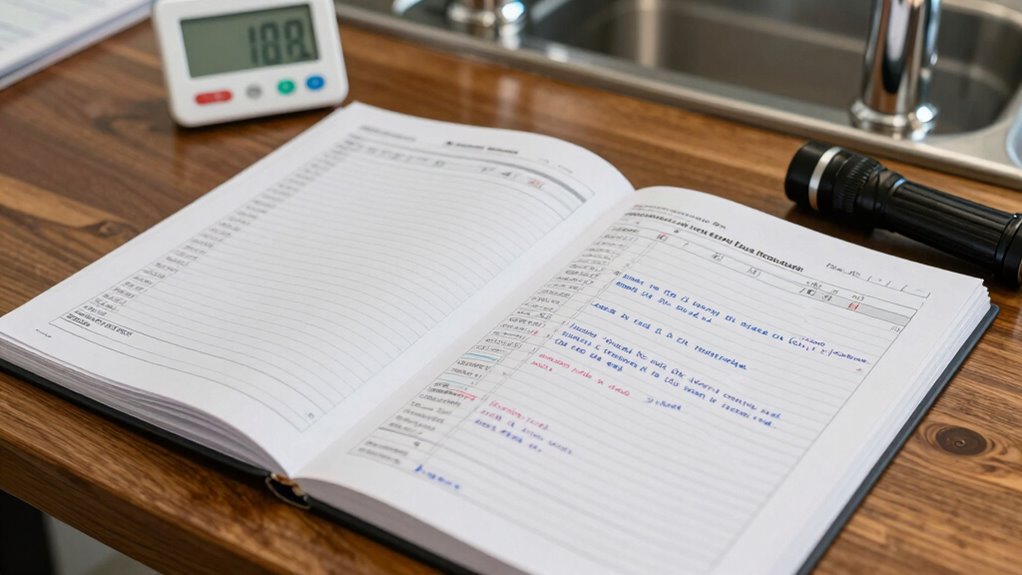
One common mistake is making inconsistent record entries, which can cause confusion during inspections. Missing maintenance details or neglecting regular updates also undermine your logbook’s effectiveness. To stay compliant, you need to be precise and consistent in your record-keeping.
Inconsistent Record Entries
Inconsistent record entries can undermine the reliability of your pool logbook and create confusion during inspections or maintenance. When entries lack data consistency, it becomes difficult to track trends or verify that procedures were properly followed. Avoid using different formats, abbreviations, or units for the same information, as this compromises record accuracy. Always double-check your entries for typos or errors, and ensure that dates, times, and measurements match across logs. Consistent record-keeping helps maintain clarity and makes it easier for inspectors or staff to understand the pool’s history. By prioritizing data uniformity, you prevent misinterpretations that could lead to compliance issues or overlooked problems. Accurate, uniform entries are essential for effective pool management and safety.
Missing Maintenance Details
When log entries omit key maintenance details, it can lead to gaps in your pool’s history that hinder effective management and troubleshooting. Missing records about equipment malfunction or chemical storage can delay repairs and compromise safety. For example, neglecting to document filter cleaning times or chemical levels can cause issues during inspections or emergencies. To avoid this, ensure every entry clearly states what was done, when, and why. Use the table below to remember essential details:
| Maintenance Aspect | Essential Information |
|---|---|
| Equipment Malfunction | Date, type, cause, resolution |
| Chemical Storage | Chemical type, amount, safety precautions |
| Water Tests | pH, chlorine, alkalinity levels |
| Repairs | Parts replaced, technician notes |
| Routine Checks | Date, findings, next scheduled maintenance |
Accurate logs save time, money, and ensure compliance.
Neglecting Regular Updates
Neglecting to update your pool logs regularly can cause serious issues in managing your facility. When you skip updates, record inaccuracies become common, making it hard to track maintenance, chemical levels, or safety checks. These inaccuracies can lead to misinformed decisions or overlooked problems, risking compliance violations and safety hazards. Consistent updates ensure your logbook accurately reflects current conditions and activities. Failing to keep records current can also create gaps that inspectors might spot, raising doubts about your facility’s management. To avoid these pitfalls, set a routine schedule for log entries and double-check for completeness. Staying diligent with updates helps you maintain accuracy, stay compliant, and ensure a safe, well-managed pool.
Digital vs. Paper Pool Logbooks: Which Is Better?

Choosing between digital and paper pool logbooks depends on your specific needs and preferences. Digital recordkeeping offers quick access, easy updates, and secure backups, reducing the risk of losing important data. It streamlines data entry and allows for automatic calculations, making it ideal for busy operators. Paper logbooks, on the other hand, are simple, reliable, and don’t require electricity or technical skills. They’re also tangible records, which some inspectors prefer during audits. If you want convenience and efficiency, digital options are better. However, if you prioritize simplicity and durability, paper logbooks might suit you best. Ultimately, consider your staff’s familiarity with technology, your storage space, and your inspection requirements to decide which method aligns with your operations.
Tips for Training Staff to Maintain Accurate Pool Records
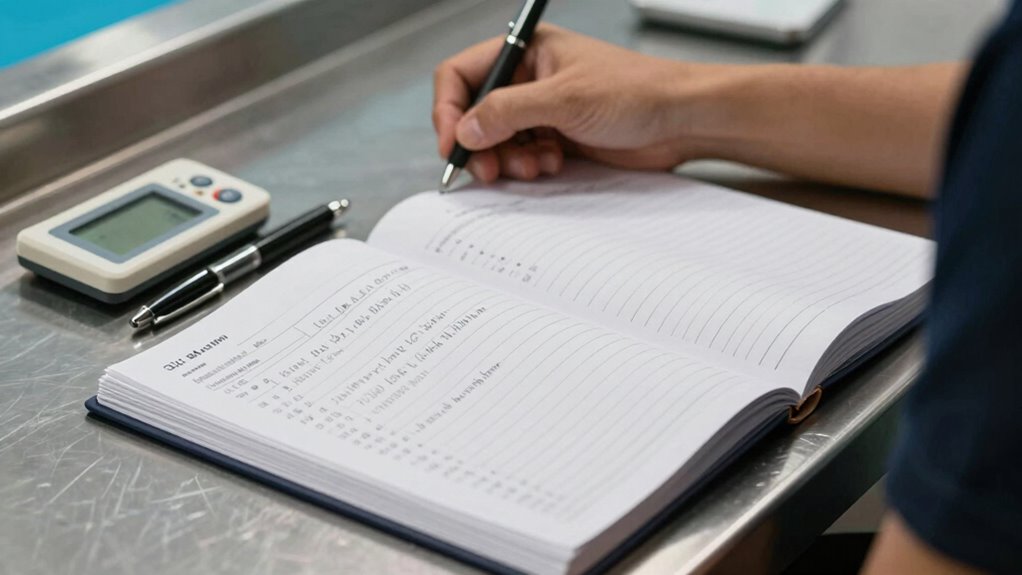
Effective recordkeeping relies on well-trained staff who understand the importance of maintaining accurate pool logs. To guarantee record accuracy, prioritize staff training by clearly outlining procedures and expectations. Consistent training helps staff recognize the significance of detailed logs for safety and compliance.
Well-trained staff are essential for accurate pool logs, ensuring safety and regulatory compliance.
Consider these tips:
- Provide hands-on training sessions to reinforce recordkeeping processes.
- Use checklists to standardize data entry and minimize errors.
- Regularly review logs with staff to identify and correct inaccuracies.
- Encourage questions and feedback to clarify procedures and improve accuracy.
Frequently Asked Questions
How Long Should Pool Logs Be Retained for Legal Compliance?
You should retain pool logs for at least one year to guarantee legal compliance and proper record retention. This duration allows you to provide accurate documentation during inspections and address any disputes or issues that arise. It’s vital to stay updated on local regulations, as some jurisdictions may require longer retention periods. Keeping detailed logs not only helps with legal compliance but also demonstrates your commitment to maintaining a safe swimming environment.
Are There Specific Industry Standards for Pool Logbook Formats?
Think of pool logbooks as your safety net—yes, there are industry standards for their format. You should use standardized templates that adhere to record keeping protocols, ensuring consistency and completeness. These templates streamline inspections, making your logs easier to review and more reliable. Following established standards helps protect you legally and operationally, turning your record-keeping into a fortress of compliance that catches any issues before they escalate.
What Security Measures Protect Sensitive Pool Maintenance Data?
You protect sensitive pool maintenance data by implementing access controls, ensuring only authorized personnel can view or modify logs. Data encryption adds an extra layer of security, safeguarding information both at rest and during transmission. Regularly updating security protocols helps prevent breaches. By combining access controls with data encryption, you create a secure environment that keeps your pool operator logbooks safe from unauthorized access and potential cyber threats.
Can Digital Logs Be Legally Accepted During Official Inspections?
Digital logs can be legally accepted during official inspections if they include digital signatures and are stored securely in cloud storage. These features guarantee data integrity and authenticity, meeting legal requirements. You should verify your digital log system complies with local regulations and maintains proper audit trails. Using secure cloud storage also helps protect sensitive pool maintenance data from unauthorized access, making your records reliable and inspection-ready.
How Often Should Staff Be Retrained on Logbook Documentation Procedures?
You should schedule staff refresher sessions at least every six months to maintain accurate logbook documentation procedures. Studies show that regular training reduces errors by up to 30%, making your inspections smoother. Consistent training frequency ensures staff stay up-to-date with record-keeping standards, which is vital during inspections. By prioritizing ongoing education, you’ll foster a culture of accuracy and compliance, ultimately saving time and avoiding potential penalties.
Conclusion
So, remember, your pool logbook isn’t just a boring chore; it’s your secret weapon during inspections. Skip the details, and you’ll drown in fines. Keep it meticulous, and you’ll glide through audits like a pro. Whether you choose paper or digital, stay consistent. After all, in the world of pool management, good records aren’t just smart—they’re your best defense against chaos, confusion, and those pesky surprise inspections. Plunge in and log away!
Fall Picks
fall essentials
As an affiliate, we earn on qualifying purchases.