
TL;DR

Get pool and patio gear delivered free with Prime
- Fast, free delivery on millions of items
- Prime Video, Amazon Music and more included
- Member-only deals all year
Hundreds of residents in San Francisco’s Marina neighborhood have voiced strong opposition to plans to develop the vacant Safeway site into a twin-tower high-rise. The project proposal has sparked community protests and debates over urban density and neighborhood character.
Hundreds of residents in San Francisco’s Marina neighborhood have publicly voiced their opposition to a proposed plan to develop the vacant Safeway site into a twin-tower high-rise. The project, which aims to replace the existing grocery store with two tall residential buildings, has met with significant community resistance, highlighting ongoing tensions over urban development and neighborhood character.
The development proposal, submitted by a private developer, envisions constructing two high-rise buildings, each reaching approximately 20 stories, on the site of the former Safeway at 2000 Marina Boulevard. The plan includes hundreds of new residential units, retail space, and underground parking. However, the project has faced vocal opposition from local residents and community groups, who argue it would dramatically alter the neighborhood’s scale and feel.
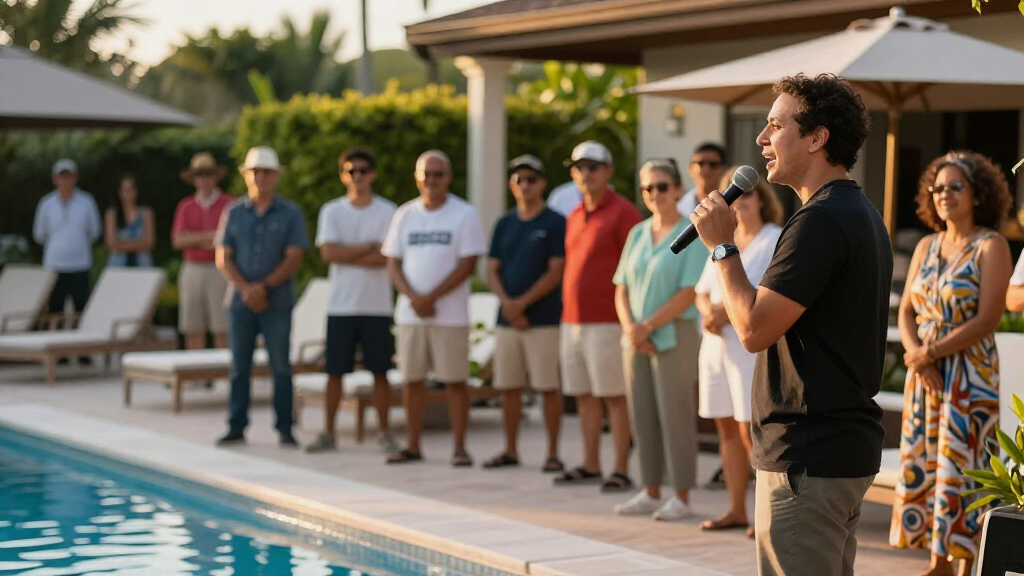
In recent weeks, protests have taken place outside the site and at city planning meetings, with residents expressing concerns about increased traffic, loss of open space, and the impact on local schools and infrastructure. The San Francisco Planning Department has received numerous public comments opposing the project, with many citing a desire to preserve the neighborhood’s existing character.
The developer has stated that the project aims to address housing shortages and promote sustainable urban growth, emphasizing that the design includes affordable housing components. City officials have indicated that the project is still under review and that community feedback will be considered in the decision-making process.
Community Opposition Highlights Urban Development Tensions
This opposition underscores the broader challenge facing San Francisco as it seeks to balance housing needs with community preservation. The project’s rejection by many residents reflects ongoing debates about density, neighborhood identity, and the city’s approach to growth. The outcome of this dispute could influence future development proposals across the city, especially in neighborhoods with strong community identities like Marina.
Products Worth Considering

Samsung 65-Inch QN70FA Neo QLED 4K Smart TV with 8-Foot WireLogic Ruby Ultra High Speed HDMI Cable (2025)

eufy E25 Robot Vacuum and Mop for Pet Hair, 20,000 Pa, HydroJet Roller Mop

Philips Hue Festavia 65-Foot Smart LED String Lights, 250 Color-Changing Mini LEDs
As an affiliate, we earn on qualifying purchases.
Marina Neighborhood’s Development History and Current Planning Debates
The Marina neighborhood has historically been characterized by low-rise residential buildings, open spaces, and a distinct, walkable community feel. In recent years, San Francisco has faced a pressing housing shortage, prompting proposals for denser developments. The Safeway site has been vacant since the supermarket closed in 2022, making it a focal point for potential redevelopment.
Previous development proposals in the area have sparked similar community debates, with residents often opposing high-rise projects that threaten to change the neighborhood’s character. The current proposal is part of the city’s broader effort to increase housing supply but has reignited tensions between growth and preservation.
“The project is still under review, and community feedback will be a key factor in the final decision.”
— City Planning Department Official
Unresolved Questions About Project Approval and Community Impact
It is not yet clear whether the project will be approved by city authorities, as community opposition remains strong and further revisions may be required. Details about the final design, the extent of affordable housing, and potential mitigation measures are still under discussion. The city’s planning review process continues, and a decision is expected in the coming months.
Next Steps in City Review and Community Engagement
The San Francisco Planning Department is currently reviewing public comments and the project proposal. A formal decision on approval or rejection is expected in the next few months. Community groups are planning additional protests and meetings to influence the outcome. Developers may revise their plans to address concerns, but the final outcome remains uncertain until official approvals are granted.
Key Questions
What is the main concern of opponents to the project?
Opponents are primarily concerned about increased density, loss of neighborhood character, traffic, and strain on local infrastructure.
Has the developer responded to community opposition?
The developer has stated that the project includes affordable housing and sustainable design features, and is open to community input.
When will a decision be made on the project?
The San Francisco Planning Department is expected to make a decision within the next few months, after reviewing public comments and revisions.
Could the project be modified to gain community support?
Yes, revisions addressing concerns about height, design, or community amenities could influence support, but this remains to be seen.
Source: local