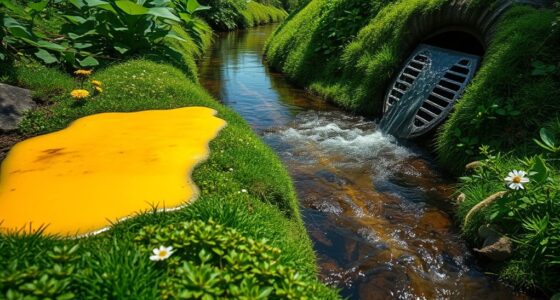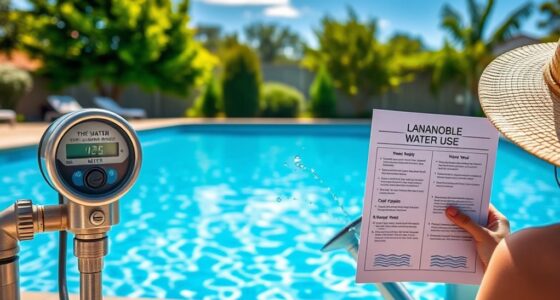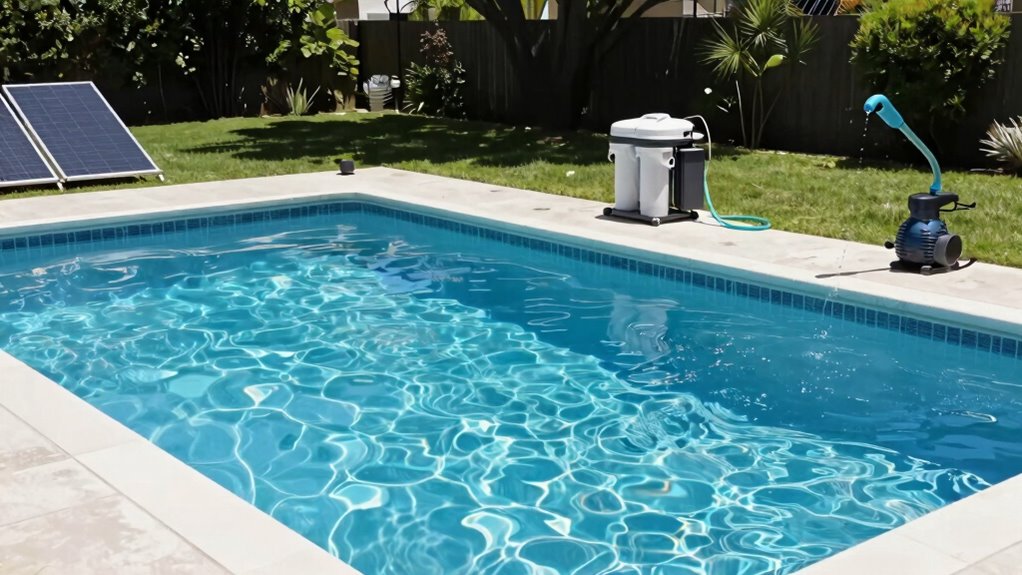

If you rely heavily on chemical treatments, you might unknowingly harm local ecosystems and waste water through overuse. Failing to cover your pool or monitor water levels can lead to excessive evaporation and unnecessary refills. Running pumps during peak hours or neglecting leak repairs wastes resources and energy. Using outdated equipment or neglecting eco-friendly landscaping can also increase your environmental footprint. Want to discover simple ways to make your pool more sustainable? Keep exploring for practical tips.

Get pool and patio gear delivered free — and shop member deals
- Fast, free delivery on millions of items
- Access to Prime Big Deal Days deals on October 6–7
- Prime Video, Amazon Music and more included
Key Takeaways
- Overusing chemical treatments can harm ecosystems and lead to water pollution.
- Frequent overfilling and evaporation cause unnecessary water waste.
- Running high-power pumps during peak hours increases energy consumption.
- Neglecting leak repairs results in significant water loss over time.
- Landscaping with non-native plants may require extra watering and chemical use, impacting local biodiversity.
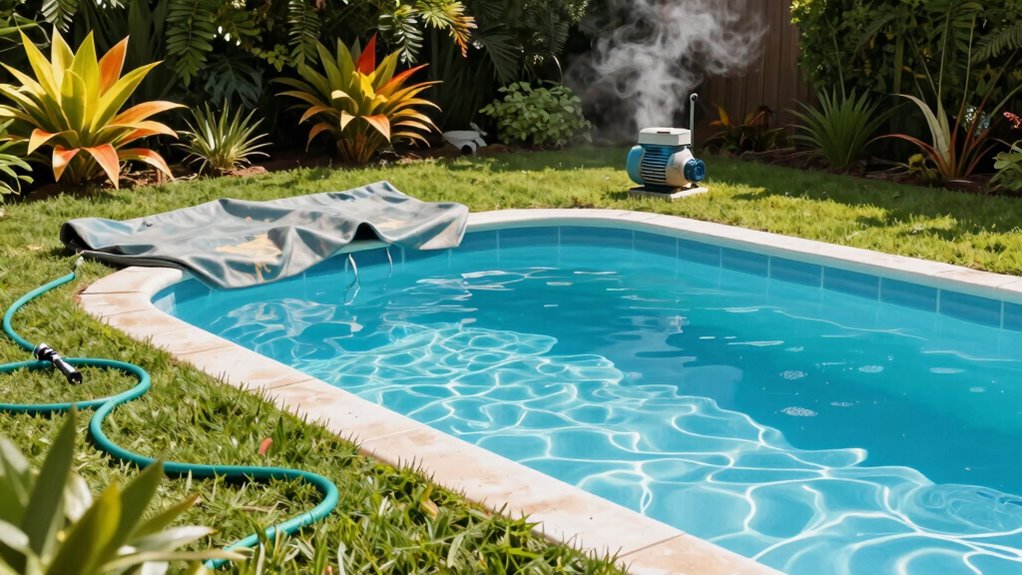
Owning a pool can be a luxury, but many common maintenance habits considerably boost its environmental footprint. If you’re looking to enjoy your pool while minimizing your ecological impact, it’s essential to think about how your routine influences the environment. One of the most effective ways to do this is by adopting eco-friendly maintenance practices. Traditional pool upkeep often involves chemical-heavy treatments and frequent water refills, which can harm local ecosystems and waste resources. Instead, focus on natural methods like using mineral sanitizers or UV systems to reduce reliance on chlorine and other harsh chemicals. These alternatives not only lessen water pollution but also create a healthier swimming environment for you and your family.
Adopt eco-friendly pool practices to reduce chemical use and protect local ecosystems.
Water conservation strategies are critical in reducing your pool’s environmental impact. Many pool owners overlook how much water is lost through evaporation, backwashing, or overfilling. To combat this, you can install a pool cover that greatly reduces evaporation when the pool isn’t in use. Covering your pool during sunny days prevents unnecessary water loss and keeps debris out, decreasing the need for frequent cleaning. Additionally, setting your water level just right—not too high—helps prevent excessive refills. When refilling is necessary, consider capturing rainwater or recycling water from other household sources to supplement your pool needs. Using rainwater harvesting is an effective way to reduce dependency on municipal water supplies. Incorporating water-saving devices can further optimize water use and minimize waste.
Another water conservation tip involves maintaining proper filtration and circulation. Run your pool pump during off-peak hours, typically early mornings or late evenings, to save energy and reduce water loss caused by heat evaporation. Regularly check and adjust your chemical levels to avoid over-treatment, which can lead to unnecessary water replacement. Many pool owners also overlook the importance of fixing leaks promptly. Even small leaks can waste hundreds of gallons of water over time, so staying vigilant about repairs can make a big difference. Implementing biodiversity-friendly practices, such as planting native plants around your pool area, can help create a more balanced local ecosystem. Additionally, using innovative filtration technology can further enhance water efficiency and reduce chemical use, leading to a more sustainable pool maintenance routine.
Furthermore, think about upgrading to energy-efficient equipment. Variable-speed pumps consume less electricity and operate more quietly, decreasing your carbon footprint. Using solar heaters or integrating renewable energy sources can also help maintain your pool’s temperature without relying heavily on fossil fuels. These upgrades, combined with water-saving practices, make your pool maintenance more sustainable. Investing in renewable energy options not only benefits the environment but can also lower your long-term operational costs.
eco-friendly pool chemical alternatives
As an affiliate, we earn on qualifying purchases.
As an affiliate, we earn on qualifying purchases.
Frequently Asked Questions
How Can Pool Covers Reduce Water and Energy Consumption?
Pool covers help reduce water and energy consumption by minimizing evaporation during pool maintenance, which means you save water. They also keep the water warmer, reducing the need for heating and lowering energy use. By using a cover regularly, you prevent debris from contaminating the pool, reducing filtration and chemical needs. Overall, pool covers are a simple way to promote water conservation and energy efficiency in your pool management routine.
What Eco-Friendly Pool Cleaning Options Are Available?
You might think cleaning your pool is a chore, but opting for eco-friendly filtration and biodegradable cleaning products turns it into a green gesture. You save water, cut energy use, and avoid harsh chemicals that harm the environment. By choosing these options, you create a sparkling pool without leaving a heavy ecological footprint. It’s a win-win — cleaner water and a healthier planet, all while enjoying your backyard paradise.
How Does Chemical Use Affect Local Water Sources?
Chemical use in pools can lead to chemical runoff, which jeopardizes local water sources. When you add chemicals like chlorine or algaecides, they can wash into nearby streams, lakes, or groundwater, causing water contamination. This pollution harms aquatic life and can make water unsafe for human consumption. To minimize impact, you should use eco-friendly cleaning options and carefully manage chemical levels, reducing runoff and protecting your local environment.
Are Solar-Powered Pool Heaters More Sustainable Than Traditional Ones?
Yes, solar-powered pool heaters are more sustainable than traditional ones. They offer higher solar efficiency, capturing sunlight to heat your pool naturally, reducing reliance on electricity or gas. This results in significant energy savings and lowers your carbon footprint. By choosing solar, you minimize chemical use and energy consumption, making your pool maintenance more eco-friendly while enjoying a warm swim. It’s a smart, sustainable upgrade that benefits both the environment and your wallet.
What Are the Best Practices for Reducing Pool Water Evaporation?
Imagine your pool shimmering under the sun, but you notice water levels dropping. To reduce evaporation, cover your pool with a sturdy, insulated cover when not in use, especially during windy or hot days. This simple act helps water conservation and keeps your pool eco-friendly. Additionally, fix leaks promptly and reduce splashing. These habits protect your environment, save water, and make maintenance more sustainable, all while keeping your pool pristine.
As an affiliate, we earn on qualifying purchases.
Conclusion
By being mindful of your pool habits, you can considerably reduce your environmental footprint. Simple actions like maintaining proper chemical levels, covering your pool when not in use, and opting for energy-efficient equipment are like tiny drops in a vast ocean—each one making a difference. Think of your efforts as a ripple effect, gradually creating a more sustainable future. Small changes today can lead to a cleaner, greener world tomorrow.
As an affiliate, we earn on qualifying purchases.
rainwater harvesting system for pools
As an affiliate, we earn on qualifying purchases.
As an affiliate, we earn on qualifying purchases.
Fall Picks
fall essentials
As an affiliate, we earn on qualifying purchases.