
TL;DR

Get pool and patio gear delivered free with Prime
- Fast, free delivery on millions of items
- Prime Video, Amazon Music and more included
- Member-only deals all year
Homes & Gardens has published a four-step guide to keeping citronella plants through winter: move them indoors before frost, cut them back, give them bright light and reduce watering. The plant is tender outside USDA hardiness zones 9–11, and claims that its scent repels mosquitoes remain unproven.
Homes & Gardens has published a four-step guide to overwintering citronella plants indoors, advising gardeners in frost-prone areas to bring them inside before cold weather damages them. The instructions cover timing, pruning, light and reduced watering, offering a way to keep the tender scented-leaf pelargonium for another growing season rather than replacing it each year.
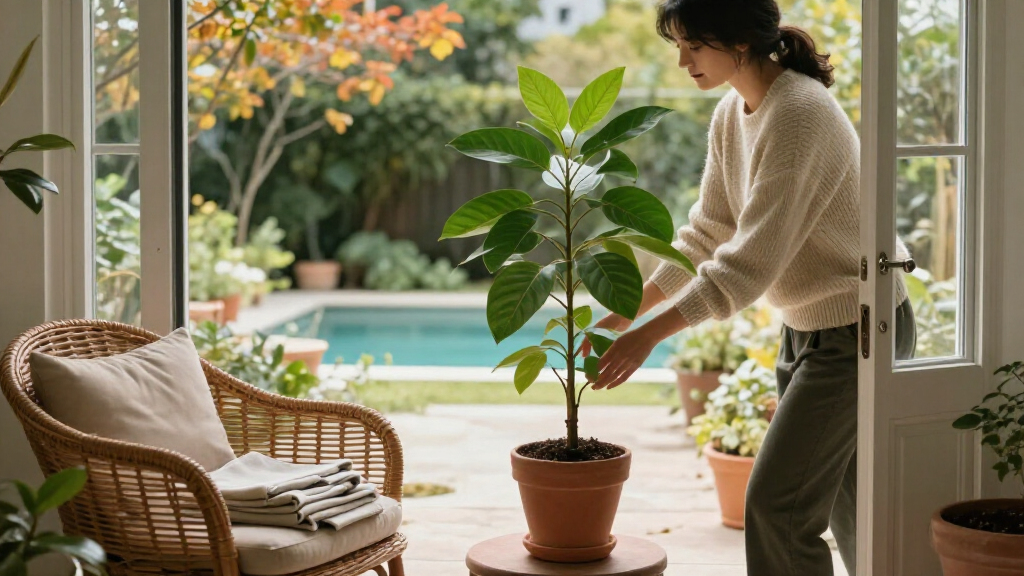
The guide identifies citronella as Pelargonium citrosum, a scented-leaf pelargonium with foliage that releases a citrus-like fragrance when brushed or crushed. It says the plant is hardy outdoors in USDA hardiness zones 9–11; in colder regions, gardeners can treat it as an annual or move it inside for winter. Plants growing in garden beds need to be dug up and potted, while container plants can be carried indoors.
Timing is based on nighttime temperatures, not a single date: the guide says to move plants inside when nights begin falling to about 45°F, and before frost. It recommends a cool, frost-free location, ideally around 45°F to 50°F, away from heat vents and other sources of fluctuating temperatures. After moving the plant, gardeners are advised to cut it back by as much as half, using clean shears and cutting just above a leaf node. The guide also recommends checking for pests before bringing the plant near other indoor greenery.
For winter care, the article calls for a bright position, such as a sunny windowsill, porch, conservatory or greenhouse, with about six hours of light a day. A grow light may supplement natural light when needed. Watering should be less frequent than in the growing season: let the soil dry between waterings, and expect that watering may be needed only every two to four weeks, depending on conditions. The source warns against leaving the plant in wet soil.
Keeping Citronella for Next Season
The advice matters to gardeners who want to preserve container plants and avoid buying replacements each spring. Because citronella is not frost-hardy in most US regions, leaving it outdoors through freezing weather can severely damage or kill it. Moving it inside also gives gardeners a practical alternative to treating the plant as disposable, although success depends on indoor temperature, light and watering conditions.
The plant’s appeal is its fragrant foliage and ornamental value, not a proven mosquito-control effect. Homes & Gardens says the idea that citronella repels mosquitoes has not been established. Retail labels or popular descriptions calling it a “mosquito plant” should not be treated as proof of protection.
Products Worth Considering

Philips Hue Play HDMI Sync Box 4K with 65-Inch Play Gradient Light Strip

Samsung 65-Inch The Frame Pro Neo QLED 4K TV (2026) Bundle with Modern Brown Bezel, HDMI Cables, and Home Theater Guide

Bose TV Speaker (2nd Gen) Compact Soundbar
As an affiliate, we earn on qualifying purchases.
A Tender Plant Before Frost
Citronella is described in the source as a popular summer plant, grown for textured leaves, delicate pink flowers and a strong citrus-like scent. In warm climates it may grow as a perennial, while in colder areas gardeners typically choose between replacing it annually and protecting it indoors. The guide presents overwintering as a straightforward option for plants in pots and those lifted from beds.
Its seasonal timing is tied to local weather. The source advises monitoring forecasts and acting as nighttime temperatures approach 45°F, rather than waiting for the first frost. It also notes that plants exposed to extended cold may develop wilting or yellowing leaves. The recommendation to keep plants away from household pets reflects the source’s warning that citronella is toxic to people and pets; the article does not provide details about exposure or symptoms.
““The time to bring citronella plants indoors is when nighttime temperatures start falling to 45°F.””
— Homes & Gardens
Limits of the Winter-Care Advice
The source gives general temperature, light and watering guidance, but it does not specify how indoor humidity, pot size, local daylight or individual plant health may change care needs. The suggested two-to-four-week watering interval is an estimate, not a fixed schedule; the article directs readers to check whether soil has dried before watering again. It also does not report trial data comparing survival rates under different conditions.
The claim that citronella scent deters mosquitoes remains unproven, according to the source. The guide does not establish that keeping the plant indoors or outdoors provides mosquito protection. Its toxicity warning is not accompanied by a detailed account of the risks or recommended response to exposure.
Prepare Plants as Nights Cool
Gardeners following the guidance should watch local night-time forecasts as autumn temperatures fall, then move potted plants indoors or lift bed-grown plants before frost. Once indoors, they can prune, inspect for pests and select a bright, cool, frost-free spot. During winter, the next step is to monitor soil moisture and the plant’s condition rather than follow a rigid watering calendar. The source does not give a specific spring date for moving plants back outside; its advice is to protect them from frost during winter.
Key Questions
When should I bring a citronella plant indoors?
Homes & Gardens recommends moving it inside when nighttime temperatures begin falling to about 45°F, before frost reaches the plant.Can citronella survive winter outdoors?
The source says outdoor overwintering is likely only in USDA hardiness zones 9–11, with mulch to protect the roots. In colder climates, bring it indoors or treat it as an annual.How often should I water citronella indoors in winter?
The guide estimates that watering may be needed every two to four weeks, but advises checking the soil and waiting until it dries before watering.Does citronella reliably repel mosquitoes?
The source says that the mosquito-repelling effect is unproven. The plant is grown for its citrus-like scent and ornamental foliage, but it should not be presented as established mosquito protection.Is citronella safe to keep indoors around pets?
Homes & Gardens warns that citronella is toxic to people and pets and advises keeping it away from curious household animals. The source does not detail exposure risks or symptoms.Source: homesandgardens.com