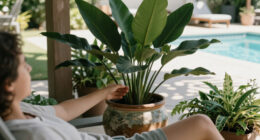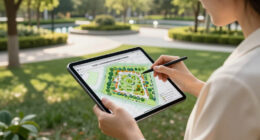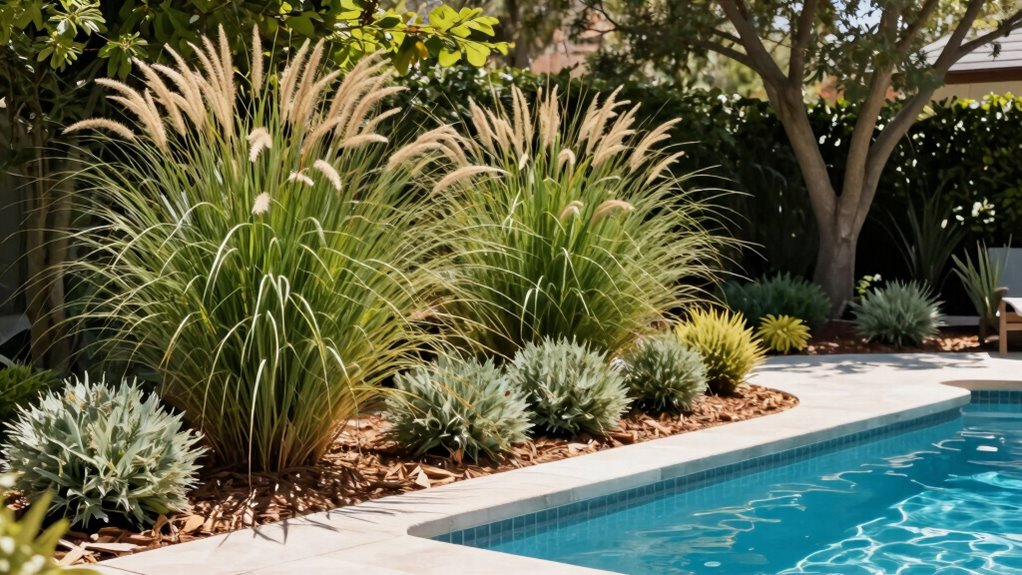
By choosing native plants for your landscape, you can naturally lower your pool’s heat gain, as dense native growth provides shade and reduces temperature transfer. These plants shed less debris, meaning you’ll spend less time cleaning filters and skimming the water. Plus, native landscaping minimizes water use since these plants are adapted to your climate, conserving resources and lowering bills. Keep exploring how native plants create a sustainable, low-maintenance pool environment you’ll love.

Get pool and patio gear delivered free — and shop member deals
- Fast, free delivery on millions of items
- Access to Prime Big Deal Days deals on October 6–7
- Prime Video, Amazon Music and more included
Key Takeaways
- Native plants provide dense shade, reducing heat transfer to the pool and lowering cooling energy needs.
- They shed less debris, minimizing pool cleaning and filtration efforts.
- Well-adapted native plants require less watering, conserving water and reducing runoff into the pool.
- Their deep roots stabilize soil, preventing erosion and sediment from clouding pool water.
- Native landscaping attracts beneficial wildlife, supporting a balanced ecosystem around the pool area.
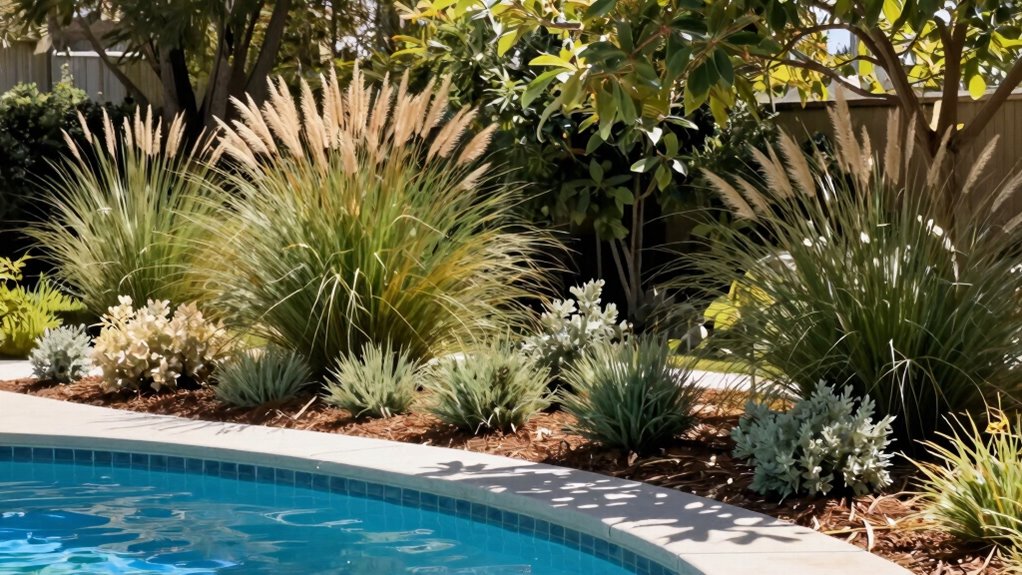
Native landscaping offers numerous benefits for pool owners, making your outdoor space more sustainable and visually appealing. One of the key advantages is that native plants are well-adapted to your local climate, which naturally reduces the need for extra watering and chemical treatments. This means you’ll use less water overall, helping you conserve resources and lower your utility bills. Additionally, native plants can help minimize pool heat gain because they often grow dense and provide shade, keeping the surrounding area cooler and reducing the amount of heat transferred to the pool water. As a result, your pool stays at a more comfortable temperature without relying heavily on energy-consuming cooling systems.
Native plants reduce water use and heat transfer, keeping your pool cooler and eco-friendly.
Beyond temperature regulation, native landscaping also plays a vital role in reducing debris falling into your pool. Because native plants are accustomed to your region’s weather patterns, they typically shed less litter, such as leaves and twigs, compared to non-native species. This means you’ll spend less time skimming your pool and cleaning filters, simplifying maintenance and keeping your water clearer for longer. Furthermore, these plants help create a natural barrier that traps airborne debris before it reaches the pool area, further reducing the amount of cleaning needed. Native plants also support local biodiversity, which can help maintain a balanced ecosystem that benefits your entire yard. Establishing a native plant garden can further enhance the ecological benefits of your landscaping. Incorporating native plants can also improve soil stability, preventing erosion and sediment runoff that could otherwise cloud your pool water.
Implementing native plants in your landscape can also contribute to the health of local ecosystems. By creating wildlife habitats, native landscaping attracts beneficial insects, birds, and pollinators, enriching your outdoor environment. This biodiversity can help control pests naturally, decreasing your reliance on chemical treatments around the pool. Additionally, native plants stabilize the soil, preventing erosion that can occur during heavy rains or windstorms. This stabilization reduces the risk of sediment washing into your pool, which can cloud your water and increase filtration demands. Including native plants in your landscaping plan also encourages sustainable gardening, promoting environmentally friendly practices. Moreover, native plants are generally more resistant to pests and diseases, reducing the need for chemical interventions that could impact your pool water quality.
In the long run, integrating native landscaping creates a more resilient, eco-friendly outdoor space that requires less maintenance, conserves water, and supports local wildlife—all while keeping your pool cleaner and more energy-efficient.
native landscaping plants for pool shading
As an affiliate, we earn on qualifying purchases.
As an affiliate, we earn on qualifying purchases.
Frequently Asked Questions
How Does Native Landscaping Compare Cost-Wise to Traditional Landscaping?
Native landscaping generally costs less upfront and over time compared to traditional landscaping. The cost comparison favors native plants because they require less water, fertilizer, and pesticides, which reduces maintenance requirements. You’ll spend less on ongoing upkeep, watering, and replacements since native plants are adapted to your local climate. While initial installation might be similar, the long-term savings in maintenance and water use make native landscaping a more economical choice.
Are Native Plants Suitable for All Climate Zones?
Native plants are generally suitable for most climate zones because they’re adapted through climate adjustment and proper plant selection. You should consider your local climate conditions to choose the right native species, ensuring they thrive naturally. By doing this, you promote sustainable landscaping that requires less water and maintenance. Understanding your area’s climate adaptation helps you select plants that flourish, making your native landscaping both beautiful and eco-friendly.
Can Native Landscaping Be Maintained Without Professional Help?
Yes, you can maintain native landscaping yourself with some DIY maintenance and native plant care. Regularly watering, weeding, and pruning are simple tasks you can do to keep your native plants healthy and thriving. Native plants are generally low-maintenance and adapted to your climate, making them easier to care for without professional help. With a bit of effort, you’ll enjoy a beautiful, sustainable landscape that reduces water use and minimizes debris.
How Long Does It Take for Native Plants to Establish?
Imagine a garden awakening as native plants stretch their roots into the earth, establishing a solid foundation. Usually, native plants take about one to three years to fully establish, with rapid plant growth and deep root development happening in the first year. During this time, you’ll notice your landscape becoming more resilient, requiring less water and maintenance. Patience pays off as your native garden thrives naturally over time.
Do Native Plants Attract Local Wildlife to Pool Areas?
Yes, native plants attract local wildlife to your pool area. They offer habitat enhancement, providing food and shelter for birds, butterflies, and beneficial insects. This increased wildlife attraction creates a lively, natural environment around your pool. By choosing native plants, you support local ecosystems while reducing the need for extra water and maintenance. Just make certain plants are positioned safely away from the pool to prevent unwanted visitors or debris.
water-efficient native plants for garden
As an affiliate, we earn on qualifying purchases.
As an affiliate, we earn on qualifying purchases.
Conclusion
By choosing native landscaping around your pool, you can reduce heat gain by up to 20%, keep debris out, and cut water use considerably. This eco-friendly approach not only lowers your environmental impact but also minimizes maintenance and energy costs. Did you know that native plants typically require 50% less water than traditional landscaping? Embrace native landscaping and enjoy a more sustainable, beautiful poolside while saving money and conserving resources.
debris reducing native plants for pools
As an affiliate, we earn on qualifying purchases.
As an affiliate, we earn on qualifying purchases.
soil stabilization native plants
As an affiliate, we earn on qualifying purchases.
As an affiliate, we earn on qualifying purchases.
Fall Picks
fall essentials
As an affiliate, we earn on qualifying purchases.